Meal Prep For Beginners: A Complete Guide To Healthy Planning
By:Author:Nord Pilates Editorial
Updated on:October 20, 2026
Meal preparation transforms chaotic weeknight dinners into streamlined, stress-free experiences. By dedicating a few hours to planning and chopping, you regain control over your nutrition and schedule.
This guide covers everything from choosing the right method to mastering food safety. You will learn practical strategies to save money and improve your diet without spending all weekend in the kitchen.
What Is Meal Prep and Why Does It Matter?
Meal preparation involves planning and preparing meals or ingredients ahead of schedule to streamline eating throughout the week. Research suggests that structuring food choices in advance significantly reduces decision fatigue and improves dietary adherence.
Defining the Core Concepts
Meal prep ranges from full batch cooking to simply chopping ingredients for later use. It is distinct from storing leftovers, as the primary goal is intentional efficiency.
The objective is consistency rather than cooking restaurant-quality dishes every single day. Finding a rhythm that suits your lifestyle is more important than culinary perfection.
Health and Nutritional Benefits
Preparing food at home supports portion control and ensures higher nutrient density. Evidence indicates that home-cooked meals typically contain less sodium and fewer calories than takeout options.
Having ready-to-eat options available prevents impulsive decisions during high-stress moments. This accessibility makes it easier to stick to health goals even when willpower is low.
Financial and Time Savings
Buying ingredients in bulk and reducing food waste yields significant financial benefits. A household can save $100–$150 per month by simply reducing reliance on convenience foods.
Time-blocking a Sunday afternoon for cooking frees up valuable hours during the busy workweek. This upfront investment eliminates the daily burden of cooking from scratch after work.
Choosing a Prep Style That Fits Your Life
There is no single 'correct' way to meal prep, and the best method is the one you can sustain consistently. Experts recommend matching your prep style to your schedule and culinary tolerance rather than forcing a rigid routine.
Batch Cooking Full Recipes
The 'cook once, eat many times' approach involves preparing entire meals like chili or casseroles. This method suits those who do not mind repeating meals or have large families to feed.
Freezer-friendly options like lasagna or hearty stews work best for this style. It maximizes efficiency by utilizing large pots and ovens simultaneously.
Ingredient Preparation (Buffet Style)
Prepping individual components separately allows for greater flexibility throughout the week. You might roast a tray of vegetables, cook a batch of quinoa, and grill chicken breasts.
These components can be mixed and matched to create different flavor profiles daily. This approach significantly reduces flavor fatigue compared to eating the same casserole repeatedly.
Portion-Controlled Containers
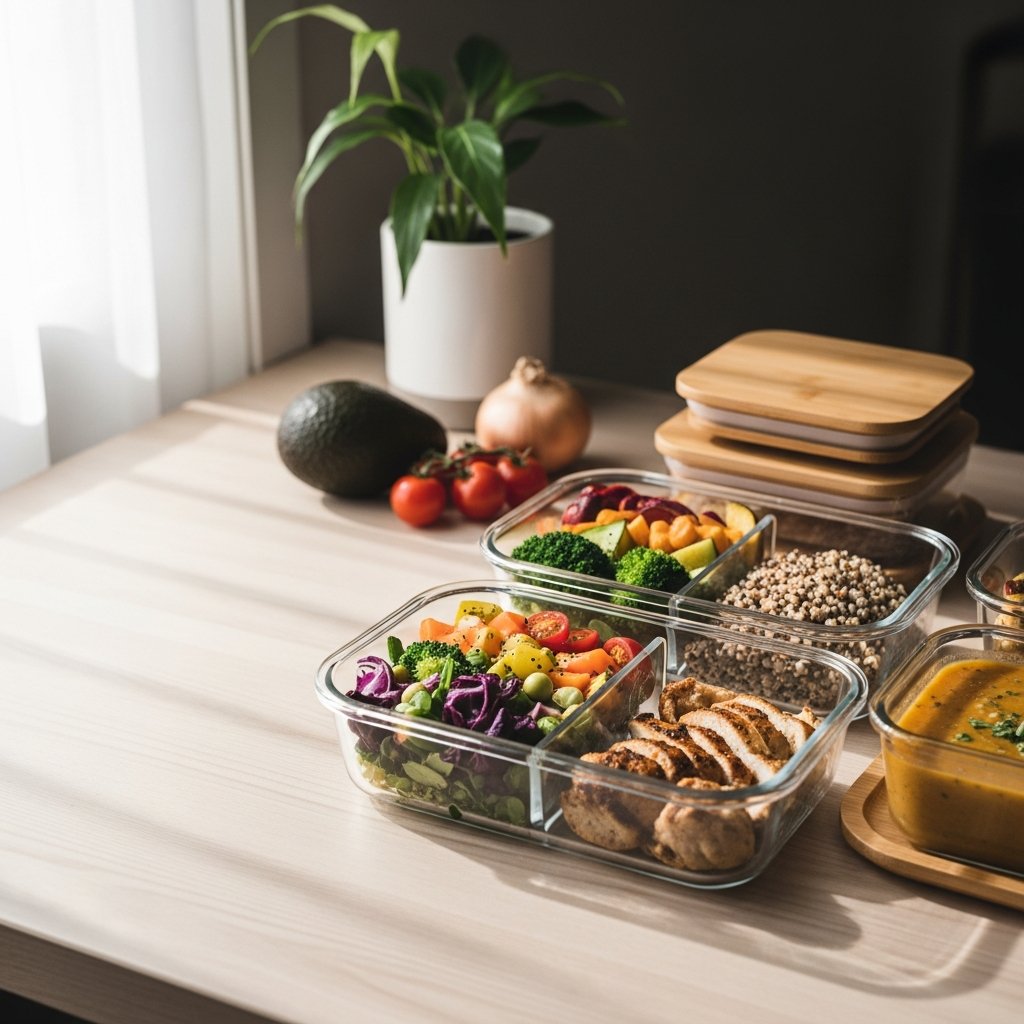
This 'grab-and-go' style involves assembling full meals into individual containers for immediate consumption. It is ideal for office lunches and for those tracking specific macronutrients.
Visualizing your week's food in organized stacks provides a psychological boost and ensures distinct portion limits. For those combining nutrition with fitness, services like Nord Pilates offer meal suggestions that fit perfectly into this structured approach.
Integrating these suggestions helps align your dietary planning with your physical wellness goals. It simplifies the decision of what to put inside each container.
Essential Tools for Success
You do not need an expensive kitchen overhaul, but a few key items will make the process safer and more efficient. Investing in quality storage is critical for maintaining food quality over several days.
Glass Versus Plastic Containers
Choosing the right material impacts durability and reheating safety. Glass is generally preferred for home use, while plastic offers portability.
| Feature | Glass | Plastic |
|---|---|---|
Durability | High (chip resistant) | Medium (can warp) |
Stain Resistance | Excellent | Poor (tomato stains) |
Microwave Safety | High | Variable (check BPA) |
Portability | Heavy | Lightweight |
Kitchen Scale and Measuring Tools
Scales and cups play a vital role in ensuring consistent portion sizes across all your containers. These tools simplify the process of dividing bulk recipes into equal servings.
Accuracy encourages fairness in family meal distribution and helps with tracking intake. Digital scales are particularly useful for weighing proteins and grains.
Labeling and Organization
Simple systems for tracking freshness prevent waste and confusion. Using masking tape and a marker to date every container is a professional kitchen habit worth adopting.
Labeling is especially crucial for freezer storage to avoid unidentified items months later. A standard format of 'Date + Contents' keeps your inventory clear.
6 Steps to Mastering Your First Meal Prep
A successful meal prep session relies on a logical workflow to minimize time spent in the kitchen. Following a structured sequence prevents the chaos of multitasking and ensures food is handled safely.
1. Analyzing Your Schedule
Look at your calendar first to determine how many meals you actually need for the week. Prepping for every single meal often leads to burnout, so start with just lunches or breakfasts.
2. Curating a Balanced Menu
Select recipes that share common ingredients to minimize waste and reduce shopping costs. A simple formula includes one protein, one grain, and two vegetables.
Beginners should choose familiar recipes to keep stress levels low during the cooking process. Platforms like Nord Pilates simplify this step by providing curated meal suggestions that take the guesswork out of balancing nutrition.
3. Strategic Grocery Shopping
Organize your grocery list by aisle to speed up your trip through the store. Shopping on a different day than your prep day helps spread out the effort and preserves energy.
4. Efficient Chopping and Cooking
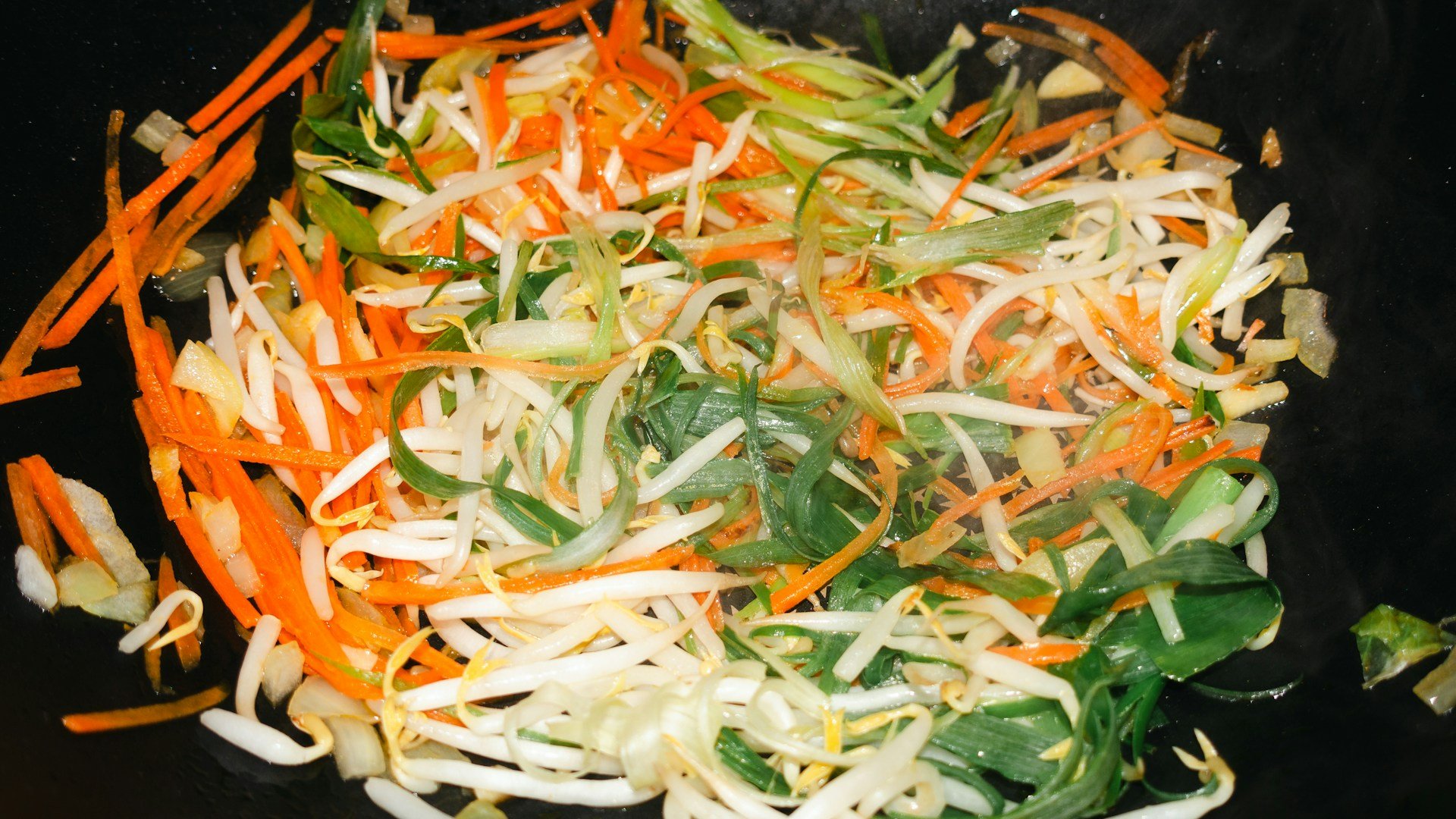
Adopt the concept of 'mise en place' by prepping all ingredients before turning on any heat. Roast vegetables while grains simmer on the stove to maximize your time.
5. Portioning and Cooling
Divide food into containers immediately after cooking to ensure even distribution. Allow food to cool slightly before sealing to prevent condensation, which can cause soggy textures.
6. Cleaning As You Go
Manage kitchen mess by washing tools during cooking downtimes, such as while water boils. A clean kitchen at the end of the session is vital for maintaining motivation for next week.
Food Safety and Storage Best Practices
Adhering to strict safety guidelines prevents foodborne illness and preserves the texture and flavor of your meals. Evidence indicates that improper cooling and storage are common points of failure for beginners.
Understanding Temperature Danger Zones
Bacteria grow most rapidly between 40°F and 140°F (4°C–60°C). Food should never be left out at room temperature for more than two hours.
If you suspect food has been sitting out too long, it is safer to discard it. Symptoms of food poisoning, such as high fever or severe dehydration, require immediate medical attention.
Refrigeration Versus Freezing Rules
Most cooked foods belong in the fridge for a maximum of 3–4 days. Freezing extends this life significantly, though textures of high-water vegetables like zucchini may suffer.
Reheating for Quality and Safety
Sprinkle water on grains before reheating to rehydrate them effectively. Always reheat leftovers to an internal temperature of 165°F (74°C) to ensure safety.
Monitoring Signs of Spoilage
Trust your senses regarding smell and texture changes when assessing leftovers. While 'use by' dates apply to raw ingredients, cooked food has its own clock; when in doubt, throw it out.
Beginner-Friendly Ingredient Ideas
Certain foods retain their quality better than others after spending days in the refrigerator. Starting with these resilient ingredients ensures your Thursday lunch tastes as good as Monday's.
Hardy Vegetables and Greens
Vegetables like broccoli, brussels sprouts, kale, and carrots withstand reheating without becoming mushy. These options hold their texture far better than delicate lettuces or peppers.
Lean Proteins and Alternatives
Proteins such as chicken breast, hard-boiled eggs, tofu, and lentils stay moist and safe for several days. Planning protein intake is crucial for muscle recovery, especially if you are active.
Nord Pilates emphasizes the importance of nutrient-dense meals to support their effective guided workouts. Keeping sauces separate from these proteins until serving time helps maintain the best texture.
Whole Grains and Complex Carbohydrates
Quinoa, brown rice, and farro are robust grains that often improve in texture after a day in the fridge. Sweet potatoes and overnight oats also serve as excellent, long-lasting carbohydrate sources.
Building a Sustainable Routine
Meal prep is a skill that improves with practice, offering compounding benefits for your health and schedule. By starting small and prioritizing safety, you can build a sustainable routine that simplifies your life.
Start Small and Build Momentum
Perfection is not the goal for your first attempt. It is better to start with just three days of lunches rather than a full week of meals.
Consistency matters more than complexity when forming new habits. Building confidence with small wins creates a solid foundation for future expansion.
Digital Tools For Consistency
Building a lasting habit requires more than just willpower; it often necessitates a system for accountability. Nord Pilates provides a daily habit tracker designed to visualize your consistency and progress over time.
This feature allows you to log your meal prep achievements alongside your workouts, creating a holistic view of your wellness journey. Seeing a streak of successful days can significantly boost motivation during the first few difficult weeks.
Tracking Habits with Nord Pilates
- Launch - Open the daily tracking section of the app.
- Select - Choose the nutrition or custom habit field.
- Log - Mark your meal prep session as complete for the day.
- Review - Check your weekly summary to spot patterns.
Adjusting As You Go
Review what worked and what didn't after the first week of prepping. You might need to tweak recipes or change your prep day based on your energy levels.
Final Thoughts
Mastering meal prep is a journey that pays dividends in time, money, and health. By starting with simple recipes and proper tools, you can transform the way you eat.
Remember that consistency is key, and tools like Nord Pilates can help you track your progress. Embrace the process, and enjoy the freedom of having healthy meals ready when you need them.
FAQ
How long does meal prep stay fresh?
Most cooked meals stay fresh in the refrigerator for 3 to 4 days. For longer storage, freeze your meals immediately after cooling.
Do I have to cook everything on Sunday?
No, you can prep whenever it fits your schedule. Some people prefer two smaller prep sessions, such as Sunday and Wednesday, to keep food fresher.
Can I meal prep if I hate eating the same thing?
Yes, by using the buffet style of preparation. Cook basic components like proteins and grains separately, then add different sauces or sides each day.
Is meal prepping expensive?
While the upfront cost can seem high, buying in bulk usually lowers the cost per meal. It is generally much cheaper than buying daily lunches or takeout.
Share this post