The Complete Guide To Anti-Inflammatory Foods For 2026
By:Author:Nord Pilates Editorial
Updated on:October 20, 2026
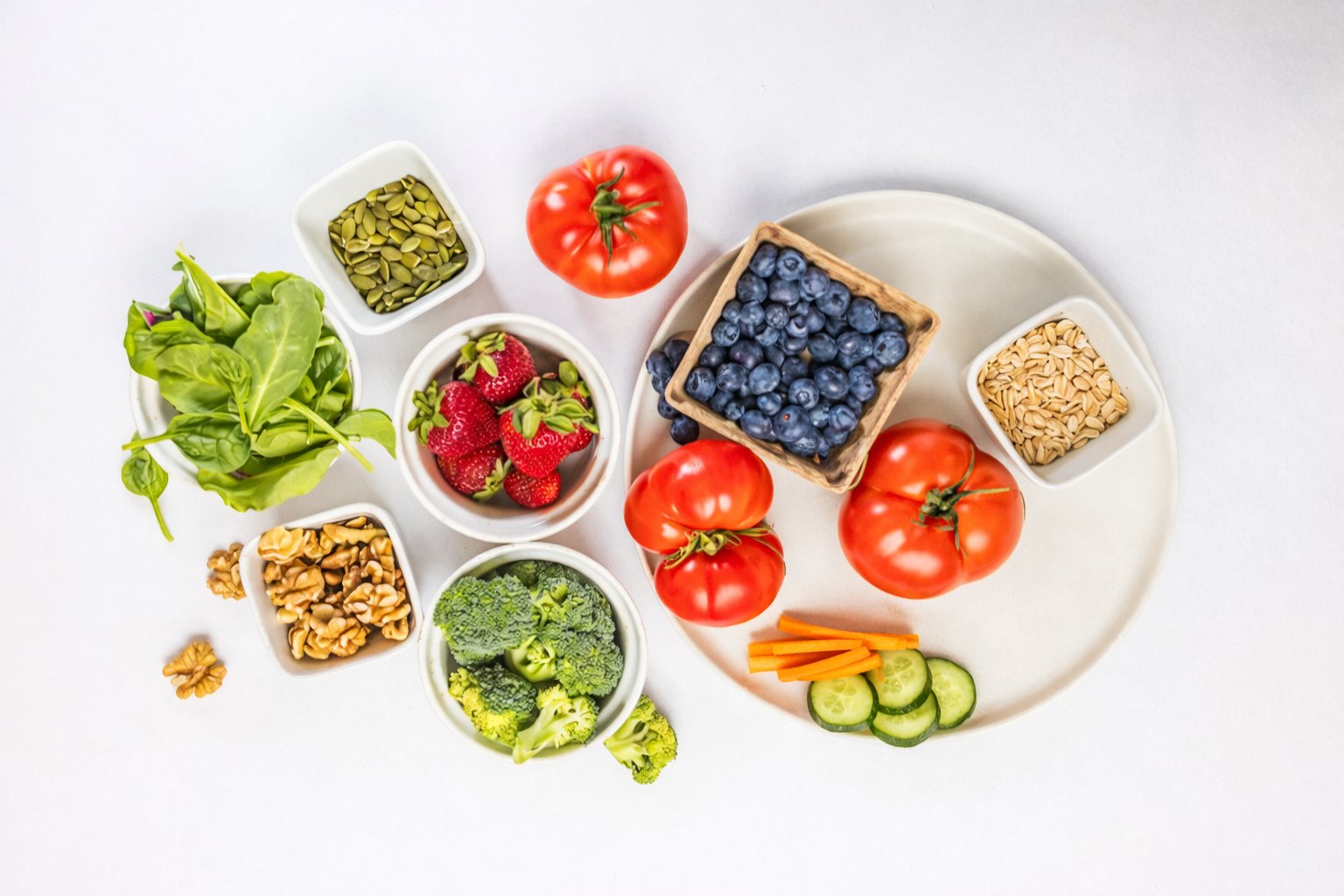
Chronic inflammation acts as a silent driver for many modern health conditions, from heart disease to arthritis. Fortunately, nutritional choices serve as a powerful lever to regulate the immune system and restore balance.
This guide details specific ingredients that cool down inflammatory responses and identifies common triggers to avoid. You will learn how to construct a plate that supports longevity and overall wellness.
Top Anti-Inflammatory Foods To Prioritize
Experts recommend building meals around whole, nutrient-dense ingredients known to lower inflammatory markers. These food groups form the foundation of a robust inflammation-fighting strategy.
Fatty Fish and Omega-3s
Consuming fatty fish significantly reduces the production of inflammatory cytokines throughout the body. Salmon, mackerel, and sardines act as primary sources, providing over 1,000mg of Omega-3s per serving.
Plant-based alternatives like chia seeds offer options for those who do not eat fish. Regular intake helps balance the ratio of fatty acids in the blood.
Berries and Antioxidant Compounds
Anthocyanins found in berries actively neutralize free radicals to lower oxidative stress. Strawberries, blueberries, and cherries serve as key drivers in this process.
Aiming for at least one cup daily maximizes antioxidant intake. This simple addition can protect cells from premature aging and damage.

Leafy Green Vegetables
Spinach, kale, and collards provide essential doses of vitamin E and calcium. Their phytochemicals protect cells from pro-inflammatory cytokines that cause systemic issues.
Swiss chard is another excellent option that adds variety to your plate. These greens are most effective when consumed with a small amount of fat.
Nuts and Seeds
Almonds, walnuts, and flaxseeds contain high levels of beneficial monounsaturated fats. Studies associate regular nut consumption, such as a handful daily, with reduced inflammation markers.
Cruciferous Vegetables
Broccoli, cauliflower, and Brussels sprouts contain sulforaphane. This compound blocks enzymes responsible for joint destruction and inflammation.
Healthy Fats and Olive Oil
Extra Virgin Olive Oil (EVOO) serves as a staple source of oleocanthal. This compound mimics the effect of anti-inflammatory drugs like ibuprofen.
Using it raw in dressings helps preserve heat-sensitive compounds. It remains one of the most researched fats for heart health.
Foods That Commonly Trigger Inflammation
While adding beneficial nutrients is crucial, minimizing ingredients that activate the immune system unnecessarily is equally important. Evidence suggests limiting these categories can help reduce overall systemic inflammation.
Refined Carbohydrates
High-glycemic foods cause blood sugar spikes that trigger inflammatory responses. Choosing whole grains over processed options stabilizes insulin levels.
| Category | Pro-Inflammatory | Anti-Inflammatory |
|---|---|---|
Bread | White Bread | Whole Wheat / Sourdough |
Grains | Instant Rice | Quinoa / Brown Rice |
Breakfast | Sugary Cereal | Steel-Cut Oats |
Snacks | Crackers | Air-Popped Popcorn |
Processed Meats
Processed meats like bacon, sausage, and hot dogs show a strong link to increased inflammation. Culprits such as nitrates and high sodium levels disrupt normal metabolic function.
Reducing intake of these items often leads to rapid improvements in digestion and energy. Focusing on fresh cuts of meat avoids these additives entirely.
Added Sugars and Sweeteners
Excessive sugar intake, particularly from sodas and candy, prompts the body to release inflammatory messengers called cytokines. Experts suggest limiting added sugars to less than 10% of total daily calories.
Removing dietary triggers creates a cleaner biological slate, but lifestyle factors also play a role. Stress reduction is key, and tools like Nord Pilates help users manage cortisol levels through guided, low-impact movement that complements this dietary approach.
Health Benefits of an Anti-Inflammatory Diet
Adopting this way of eating goes beyond simple weight management; it influences deep biological processes. Clinical studies link anti-inflammatory nutrition to reduced risks of several chronic conditions.
Cardiovascular Health Improvements
Reducing inflammation supports artery health and helps lower blood pressure. Research indicates that a Mediterranean-style approach can reduce heart disease risk by up to 30%.

Joint Pain and Arthritis Management
Diet can alleviate symptoms for conditions like rheumatoid arthritis by lowering the overall inflammatory load. Many individuals report improved mobility after removing inflammatory triggers.
Physical movement is the other half of the joint-health equation. Nord Pilates offers personalized pilates plans that specifically target stabilizer muscles, helping to support joints without the high impact that often aggravates arthritis pain.
Cognitive Function and Brain Health
Emerging research connects anti-inflammatory foods to a lower risk of cognitive decline. Antioxidants play a protective role against neurodegenerative conditions.
Practical Strategies for Transitioning Your Diet
Shifting to an anti-inflammatory lifestyle does not require a sudden, restrictive overhaul of your pantry. Small, consistent adjustments to your daily cooking habits can yield significant cumulative benefits.
Focusing on the Mediterranean Pattern
The Mediterranean diet is often considered the gold standard for anti-inflammatory eating. A phased approach makes adoption easier.
Steps to transition
- Change your oil - Switch all cooking fats to olive oil or avocado oil.
- Increase plants - Ensure vegetables make up 50% of your dinner plate.
- Swap proteins - Replace red meat with fish or legumes twice weekly.
Using Spices as Medicine
Generous use of spices like turmeric, ginger, garlic, and cinnamon can boost health. These ingredients contain potent anti-inflammatory compounds that enhance flavor without adding calories.
Pairing Movement with Nutrition
Holistic wellness relies on the synergy between what you eat and how you move. Nord Pilates provides effective guided workouts that are designed to lower stress hormones, which further reduces systemic inflammation.
The app features daily habit trackers that help maintain consistency with both exercise and wellness goals. By following a personalized pilates plan, users can enhance the benefits of their diet through improved circulation and reduced physical stress.
Morning Activation Routine
- Open Nord Pilates - Launch the app and select your daily plan.
- Choose intensity - Select a 'Gentle Flow' to wake up the body.
- Follow guides - Use the audio cues to align breath with movement.
- Log progress - Mark the session complete in the habit tracker.
Swapping Fats and Oils
Replacing butter or vegetable shortening with avocado oil or nut oils improves lipid profiles. Avocado oil has a smoke point of 271°C, making it safer for high-heat cooking than many other healthy fats.
Planning Colorful Plates
Aiming for three distinct colors at every meal ensures a broad spectrum of vitamins. Variety in pigment—green, red, orange, purple—often indicates a diverse range of protective phytonutrients.
Common Myths About Inflammation and Food
Misinformation often complicates the conversation around what is truly inflammatory, leading to unnecessary food fear. Clarifying these misconceptions helps you focus on evidence-based nutrition.
The Truth About Nightshades
A common myth suggests that tomatoes, peppers, and eggplants cause inflammation. For the vast majority (90%+), these vegetables are actually anti-inflammatory due to lycopene and vitamin C.
True sensitivities are rare and usually require specific testing to confirm. Avoiding them unnecessarily removes valuable nutrients from the diet.
Frozen vs. Fresh Produce
Many believe frozen vegetables lack anti-inflammatory properties compared to fresh ones. In reality, flash-freezing preserves nutrients immediately after harvest, often making frozen options nutritionally superior to older fresh produce.
The Final Take
Reducing inflammation through diet is one of the most effective ways to support long-term health and vitality. By focusing on whole foods like fatty fish, berries, and leafy greens, you create a biological environment that resists chronic disease.
Success lies in consistency rather than perfection. Pairing these nutritional changes with supportive tools like Nord Pilates ensures a holistic approach to wellness that benefits both body and mind.
FAQ
Can coffee be part of an anti-inflammatory diet?
Yes, coffee contains polyphenols and other antioxidants that can fight inflammation. However, adding excessive sugar or processed creamers can negate these benefits.
How long does it take to see results from changing my diet?
Many people report feeling more energetic within two to three weeks. Measurable changes in inflammatory markers often take 4 to 6 weeks of consistent eating.
Are eggs considered inflammatory?
For most individuals, eggs are a healthy source of protein and nutrients. However, they can be inflammatory for those with specific sensitivities or autoimmune conditions.
Do I need supplements if I eat anti-inflammatory foods?
A well-planned diet usually provides sufficient nutrients for inflammation control. Supplements like Omega-3s or curcumin may be helpful but should be discussed with a healthcare provider.
Share this post