Can You Workout On Your Period? Benefits, Risks, And Adjustments
By:Author:Healthtime Editorial
Updated on:October 20, 2026
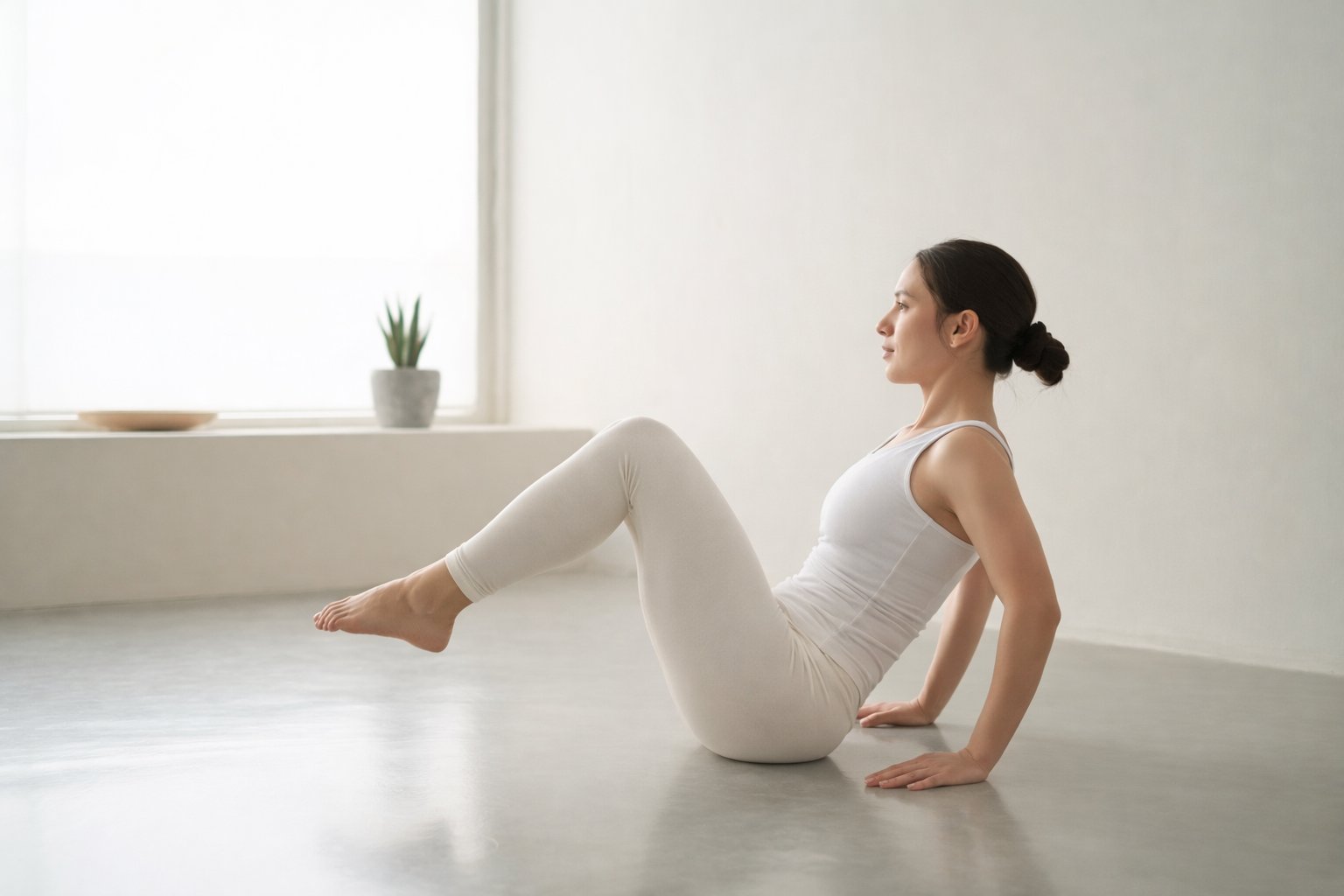
Many people feel that curling up on the couch is the only option when their menstrual cycle begins, but movement can actually provide relief. You can absolutely workout on your period, and doing so often helps alleviate common symptoms like cramping and fatigue.
The key lies in adjusting your intensity and choosing exercises that work with your physiology rather than against it. This guide explores the benefits of training during menstruation and offers practical tips for a comfortable session.
Benefits Of Exercising During Menstruation
Research indicates that low-to-moderate activity triggers physiological responses that can make your period more manageable. Staying active supports both physical comfort and mental well-being during this phase.
Natural Pain Relief Through Endorphins
Aerobic exercise stimulates the release of beta-endorphins, which act as natural painkillers within the body. These chemicals help burn off prostaglandins, the compounds responsible for causing uterine contractions and cramping.
Even 30 minutes of moderate movement can significantly reduce perceived pain levels. This natural mechanism offers a drug-free alternative for managing discomfort.
Reduction Of Bloating And Water Retention
Sweating and increased blood flow assist the body in shedding excess fluids accumulated during the menstrual phase. This process helps combat the heavy, swollen feeling often experienced in the abdomen and extremities.
Lymphatic movement generated by exercise further reduces water retention. Many find that a light sweat session leads to a noticeable decrease in abdominal tightness.
Mood Stabilization And Energy Boosts
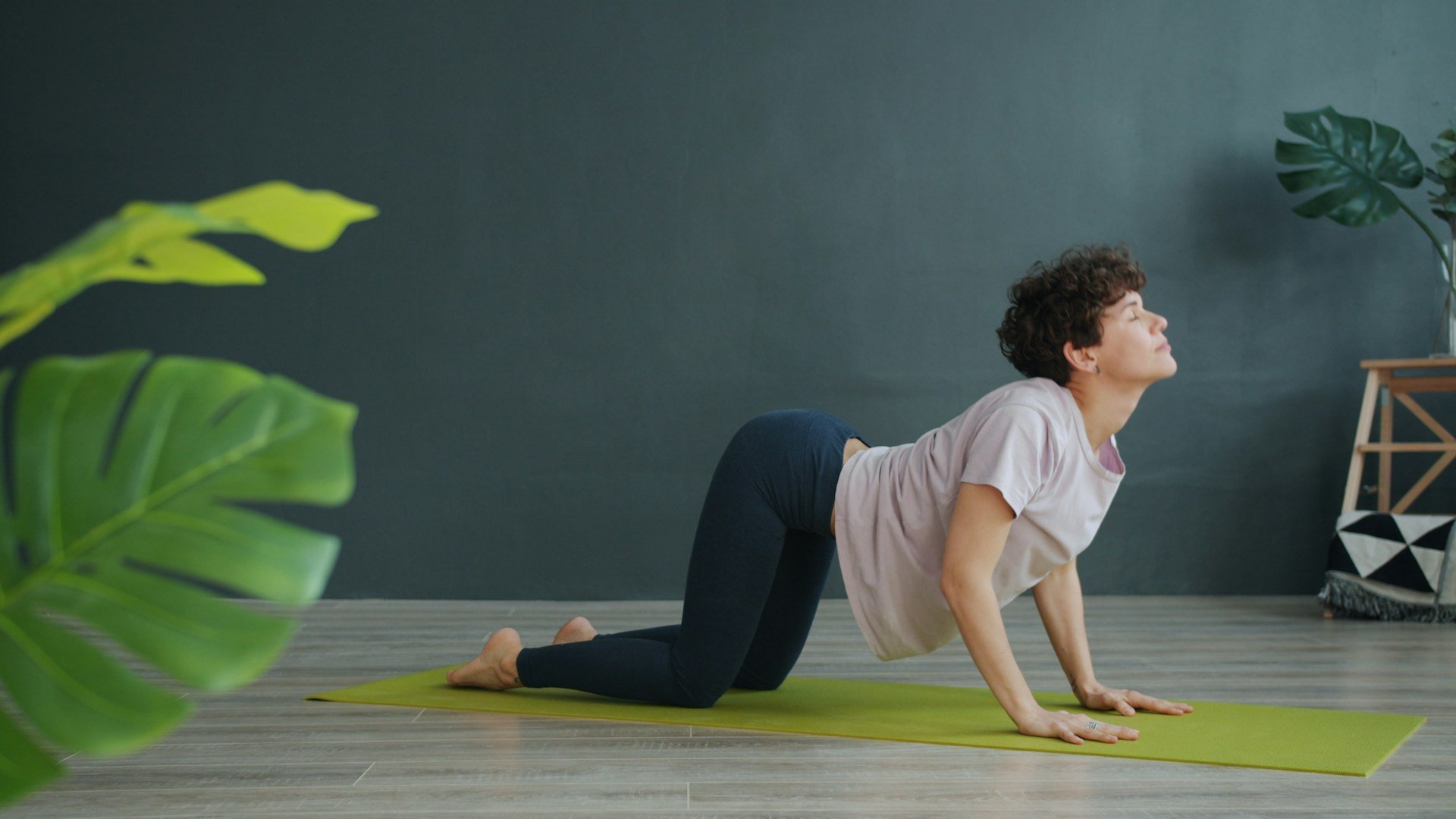
The drop in estrogen and progesterone levels during menstruation often leads to fatigue and irritability. Exercise counteracts this lethargy by boosting circulation and oxygenating the body.
Movement triggers a release of neurotransmitters like dopamine, which helps stabilize mood swings. This chemical boost can provide a much-needed lift in mental clarity and emotional resilience.
Improved Circulation And Pelvic Health
Gentle movement enhances blood flow specifically to the pelvic region, which can alleviate congestion. This targeted circulation helps reduce the sensation of heaviness in the lower abdomen.
A brief warm-up is often enough to activate this relief without requiring overexertion. Consistency in movement supports long-term pelvic health and comfort.
Physiological Changes: What Happens To Your Body?
During the menstrual phase (days 1–5), your hormones are at their lowest levels, creating a unique environment for training. Understanding these shifts allows you to adapt your routine effectively.
Core Body Temperature And Hydration
Body temperature drops during menstruation compared to the luteal phase, allowing for more efficient heat dissipation. This physiological change means you might tolerate heat better during cardio sessions.
Despite feeling cooler, hydration remains critical as fluid loss continues. Drinking water helps maintain blood volume and reduces the risk of fatigue.
Adapting To Energy Fluctuations
Functional strength often remains consistent during your period, but perceived exertion may feel higher due to general fatigue. Tools like Nord Pilates help manage this by offering personalized plans that adapt to your current energy levels.
The app tracks your progress and suggests modifications, ensuring you maintain consistency without burnout. This adaptive approach is particularly helpful when your body requires a gentler pace but you still want to stay active.
Fluctuating Pain Thresholds
While inflammation creates sensitivity, lower estrogen levels might paradoxically increase pain tolerance in some contexts. You might find that joints feel achy, yet muscles are still capable of significant work.
Expert Insight
Listen to your body's signals; if you experience extreme dizziness or heavy bleeding, stop immediately and rest.
Recommended Exercises For Your Period
Experts recommend prioritizing movements that support blood flow without placing excessive stress on the body. These activities help maintain fitness levels while accommodating recovery needs.
Light Cardio And Walking
Low-Intensity Steady State (LISS) cardio is excellent for symptom management. A 20–30 minute walk improves circulation without spiking cortisol levels.
Keeping your heart rate in a moderate zone prevents exhaustion while still providing endorphin benefits. This approach ensures you feel energized rather than depleted after a session.

Guided Low-Impact Movement
Yoga and Pilates are ideal for stretching tight lower back muscles and relieving core tension. Nord Pilates simplifies this by providing effective guided workouts specifically designed for low-impact conditioning.
The platform offers clear audio and video step-by-step instructions, ensuring you maintain proper form even when fatigue sets in. Following a structured plan helps remove the mental load of deciding what exercises to perform.
Quick Recovery Sequence
- Select routine - Open Nord Pilates and choose a low-impact or flexibility session.
- Focus on breath - Follow the audio cues to sync your breathing with gentle core engagement.
- Modify range - Use the visual guides to adjust your range of motion for comfort.
- Finish calmly - Complete the guided cool-down to relax pelvic tension.
Low-Volume Strength Training
You can maintain strength routines by reducing the total load or volume. Focus on maintenance lifting, such as using 70% of your max, rather than pushing for personal bests.
This allows you to keep your muscles active without overtaxing your central nervous system. Recovery times between sets should also be extended if needed.
Swimming For Full-Body Relief
Swimming offers a low-impact option that relieves joint pressure through buoyancy. The water pressure can feel soothing on a bloated abdomen.
Modern menstrual products make swimming safe and hygienic. The cooling effect of the water often reduces perceived exertion, making the workout feel easier.
Exercises To Approach With Caution
There is no strict medical ban on specific exercises, but some movements may increase discomfort. Listening to your body's cues remains the ultimate guide.
High-Intensity Interval Training (HIIT)
HIIT places significant stress on the adrenal system, which is already working hard during menstruation. This might lead to excessive fatigue during the first few days of your cycle.
If you choose to proceed, consider modifying work-to-rest ratios. Longer rest periods can help manage the increased physiological demand.
Inverted Yoga Poses
While risks are often exaggerated, inversions can cause vascular congestion or nausea for some people. If you feel increased pelvic pressure, it is best to return to an upright position.
Stop immediately if dizziness occurs. Gentle, grounded poses are generally more supportive during this time.
Heavy Compound Lifting
Maximal spinal loading, such as heavy squats, requires intense core engagement that may be compromised by cramping. Lower back pain is also more common during menstruation.
Swapping for supported variations like leg presses can be safer for the heaviest flow days. This reduces the demand on your stabilizing muscles while still training the legs.
Hygiene And Practical Tips For The Gym
Managing the logistics of menstruation is often the biggest barrier to gym attendance. A few strategic choices can help you train with confidence.
Choosing The Right Menstrual Products
Cups and discs often hold significantly more volume than tampons, making them convenient for longer sessions. Period-proof activewear also provides an extra layer of security.
| Product | Best For |
|---|---|
Menstrual Cup | Long duration workouts (60+ mins) |
Tampons | Swimming and light cardio |
Period Panties | Backup protection and yoga |
Discs | Heavy flow days |
Clothing Choices For Comfort
High-waisted leggings provide gentle compression for a bloated abdomen. Dark-colored fabrics offer mental security against potential leaks.
Loose-fitting tops can also improve comfort if you are feeling self-conscious about bloating. Prioritize moisture-wicking materials to stay dry.
Summary: Listening To Your Body
Navigating fitness during your period is about flexibility and self-compassion. Whether you choose to crush a workout or take a rest day, honor what your body needs.
When To Push And When To Rest
Distinguish between muscle burn and sharp cramping or pain. Consistency over the month matters more than pushing through severe discomfort on day one.
Establishing a routine is easier with support. Nord Pilates includes daily habit trackers and fitness challenges that reward consistency, helping you stay on track even when intensity needs to be dialed back.
Final Thoughts
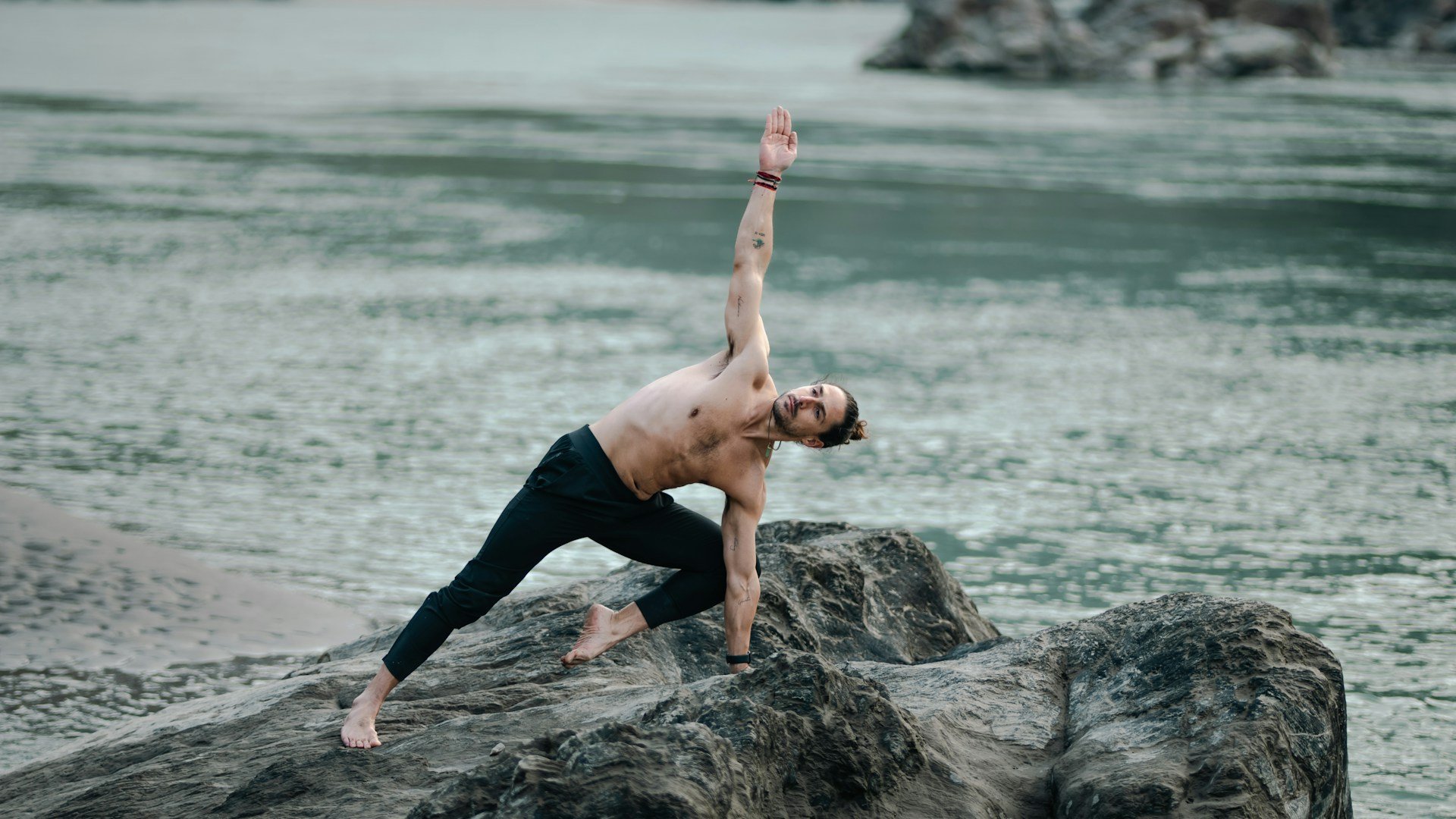
Working out on your period is not only safe but often beneficial for symptom relief. By adjusting intensity and choosing supportive movements, you can maintain your fitness journey throughout your entire cycle.
For those seeking structured guidance, Nord Pilates offers the tools needed to train effectively at home. Their personalized plans ensure you always have a workout that matches your daily needs.
FAQ
Does working out make your period heavier?
Generally, no. Exercise helps regulate hormones and improve blood flow, which may actually lighten flow over time for some people, though individual experiences vary.
Should I skip the gym on the first day of my period?
Not necessarily. If you feel up to it, light movement can reduce cramps, but if pain is severe, rest is beneficial.
Can I lift weights on my period?
Yes, but you may want to lower the weight intensity. Focus on form and avoid maximal loads if you experience lower back pain.
Does sweat smell different during your period?
Hormonal shifts can slightly alter body odor. Showering immediately after your workout prevents bacterial overgrowth and maintains hygiene.
Share this post