19 Science-Backed Foods That Boost Metabolism Naturally
ByNord Pilates Editorial
Updated onMarch 5, 2026

Your metabolic rate is not a fixed number that you are stuck with for life. It is a dynamic chemical process that responds to the fuel you provide and the demands you place on your body.
Certain foods require more energy to digest than others, creating a temporary increase in calorie expenditure known as the thermic effect of food. This guide explores scientifically supported dietary choices that can naturally enhance this process.
How Food Influences Your Metabolic Rate
Metabolism involves complex chemical processes that convert food into energy for cellular function. The energy required to digest, absorb, and process nutrients is a significant factor in your daily total energy expenditure.
Understanding the Thermic Effect of Food (TEF)
TEF represents the energy 'cost' of processing the food you eat. Digestion typically accounts for approximately 10% of total daily energy expenditure.
While specific foods can temporarily boost this rate, they function best as part of a larger equation involving Basal Metabolic Rate (BMR). Research indicates that TEF varies significantly based on food composition rather than just calorie count.
Macronutrients and Energy Expenditure
Different macronutrients require vastly different amounts of energy to break down. Shifting your diet toward higher protein intake can mechanically increase the calories burned during digestion.
| Macronutrient | Thermic Cost |
|---|---|
Protein | 20–30% |
Carbohydrates | 5–10% |
Fats | 0–3% |
This difference means that eating protein can potentially add up to 80–100 extra calories burned per day compared to other nutrients. While the type of calories matters, protein stands out as the most metabolically demanding nutrient.
High-Protein Foods That Drive Calorie Burn
Protein-rich foods are effective options for stimulating the thermic effect of food while preserving lean muscle mass. Maintaining muscle is crucial because muscle tissue burns significantly more calories at rest than fat tissue.
Lean Meats and Poultry
Lean beef, chicken, and turkey are top metabolic boosters due to their high protein density. The complex peptide bonds in animal protein require significant enzymatic energy to break down during digestion.
These foods also provide iron, which is essential for transporting oxygen to muscles to maintain metabolic efficiency. Consuming adequate protein supports the muscle repair process needed after physical activity.
Integrating proper nutrition with movement is vital for results, but planning meals can be complex. Nord Pilates helps simplify this by offering meal suggestions that align with your fitness goals, ensuring you fuel your body correctly for metabolic health.

Fatty Fish and Omega-3s
Salmon, mackerel, and sardines are excellent sources of protein and omega-3 fatty acids. Omega-3s may help reduce inflammation and improve insulin sensitivity, indirectly supporting a faster metabolism.
Eggs and Egg Whites
Eggs are a metabolic powerhouse due to their complete amino acid profile. Evidence suggests that eating high-protein egg breakfasts often leads to higher satiety and stable blood sugar compared to grain-based alternatives.
Legumes and Pulses
Lentils, chickpeas, and beans offer a dual benefit of both protein and fiber. The body expends extra energy breaking down the fibrous structure and resistant starch found in these foods.
Soaking dried beans overnight can improve digestibility while retaining their metabolic benefits. This simple preparation step makes the nutrients more accessible.
Greek Yogurt and Dairy
High-protein dairy options like Greek yogurt contain casein protein for sustained amino acid release. Emerging research links calcium and probiotics in dairy to improved gut health and metabolic regulation.
Mineral-Rich Foods for Thyroid Support
The thyroid gland acts as the body's metabolic thermostat, producing hormones that regulate how fast you burn calories. Deficiencies in specific minerals can slow down these processes and lead to persistent fatigue.
Selenium Sources Like Brazil Nuts
Brazil nuts are the premier source of selenium, a mineral essential for converting thyroid hormones into their active form. Selenium also protects the thyroid gland from oxidative damage.
Strict moderation is necessary, as only 1–2 nuts provide the daily requirement. Excess selenium intake can be toxic and should be avoided.
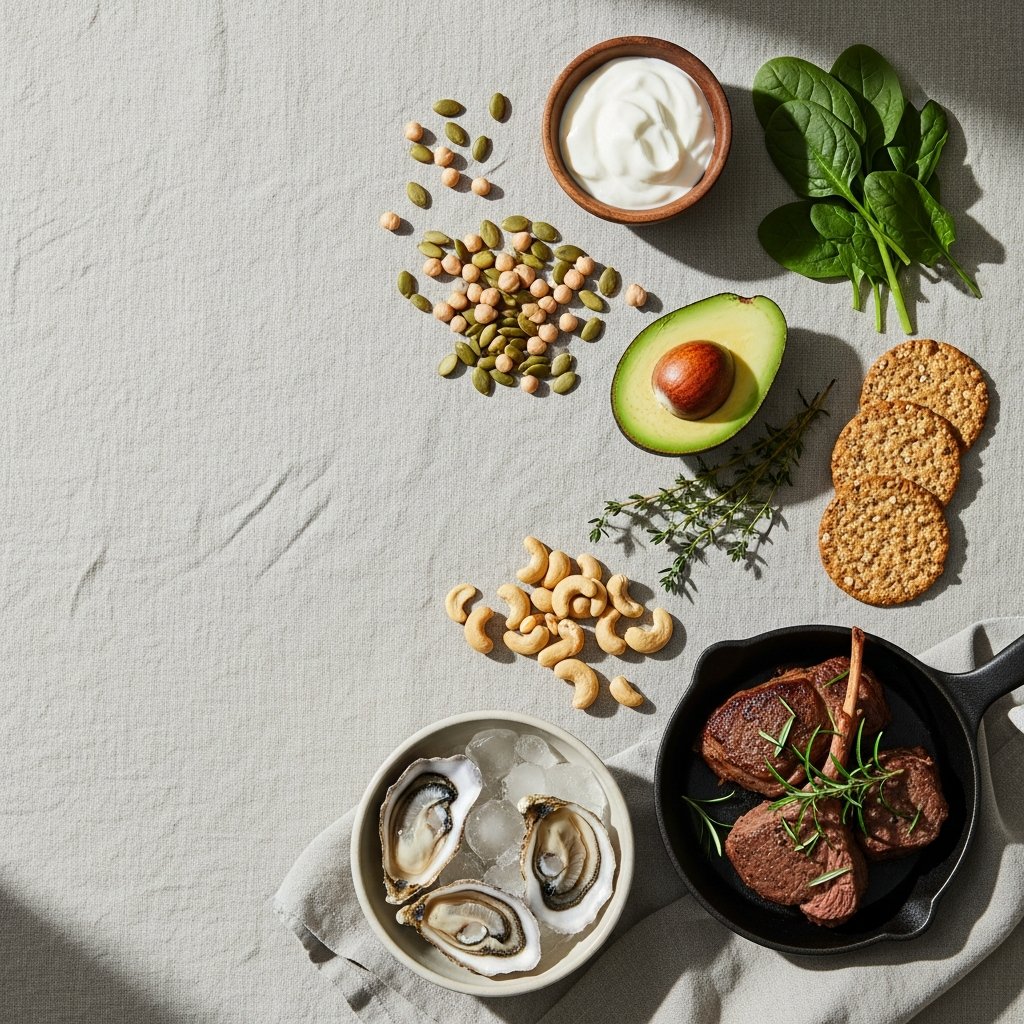
Zinc-Rich Shellfish and Seeds
Oysters, pumpkin seeds, and hemp seeds are potent sources of zinc. Zinc is necessary for the synthesis of thyroid hormones, and a deficiency often correlates with a slower metabolic rate.
Iodine From Seaweed and Kelp
Iodine plays a critical role in synthesizing T3 and T4 hormones, which directly control metabolism. Seaweed and kelp are among the most concentrated natural sources available.
While iodine is essential, those with pre-existing thyroid conditions should consult a doctor before increasing intake. Excess iodine can sometimes worsen autoimmune responses in sensitive individuals.
Beverages That Enhance Metabolic Rate
Hydration is fundamental for cellular metabolism, but some drinks offer bioactive compounds that provide an additional boost. Caffeine and catechins are the primary agents researched for their fat-burning potential.
Coffee and Caffeine
Caffeine stimulates the central nervous system and can increase metabolic rate by 3–11% in the short term. It also has the potential to improve workout performance, leading to greater overall calorie burn.
Consuming coffee earlier in the day is advisable to prevent sleep disruption. Poor sleep quality can negatively impact metabolic health over time.
Green Tea and Matcha
Green tea contains EGCG (epigallocatechin gallate), a powerful antioxidant. Studies suggest that EGCG combined with caffeine can promote fat oxidation, particularly during exercise.
Apple Cider Vinegar
The acetic acid in apple cider vinegar may help blunt blood sugar spikes and increase feelings of fullness. Research suggests diluting 1–2 tablespoons in water before meals to support metabolic health indirectly.
Water and Thermogenesis
Water-induced thermogenesis occurs when the body uses energy to heat cold fluid to body temperature. Chronic dehydration acts as a metabolic brake, slowing down cellular function.
Spices and Peppers Containing Capsaicin
Certain spices do more than add flavor; they contain chemical compounds that can induce thermogenesis. This process slightly raises body temperature, causing the body to burn more energy to cool down.
Chili Peppers
Capsaicin is the active compound in spicy peppers like jalapenos and habaneros. Research shows that capsaicin can burn roughly 50 extra calories per day and may reduce appetite.
Individuals with acid reflux or IBS should consume spicy foods with care to avoid gastrointestinal distress.
Ginger and Digestion
Ginger enhances thermogenesis and reduces feelings of hunger. It also plays a role in improving digestion, ensuring nutrients are absorbed and utilized efficiently rather than stored.
Turmeric and Inflammation
Curcumin, the active ingredient in turmeric, offers strong anti-inflammatory properties that support healthy adipose tissue. Pairing turmeric with black pepper can increase absorption by up to 2,000%.
Lifestyle Factors That Amplify Dietary Effects
Food is a powerful tool, but it works best when combined with physical activity and proper recovery. Optimizing your lifestyle ensures that the nutrients you consume are used for energy and repair rather than storage.
Digital Tools for Consistency
While diet provides fuel, muscle tissue determines how fast that fuel burns at rest. Nord Pilates creates personalized low-impact workout plans designed to build lean muscle mass without straining joints.
The app adapts to your progress, ensuring that as your strength increases, the metabolic demand of the workouts does too. Users also benefit from daily habit trackers that monitor consistency, which is key for long-term metabolic health.
Quick Activation Sequence
Here is a simple sequence using Nord Pilates to activate muscles before a meal:
Steps
- Select - Choose a beginner strength flow in the app.
- Align - Follow the audio cues to find a neutral spine position.
- Engage - Focus on deep core activation during movements.
- Track - Log the session to update your progress stats.

High-Intensity Interval Training (HIIT)
HIIT creates an 'afterburn' effect (EPOC) that complements the thermic effect of food. Pairing protein-rich meals with training days helps maximize muscle synthesis.
A simple HIIT ratio might involve 30 seconds of maximum effort followed by 90 seconds of rest. This intensity forces the body to consume more oxygen during recovery.
Strength Training and Muscle Mass
Muscle is metabolically active tissue, burning roughly 6 calories per pound daily at rest compared to fat's 2 calories. Lifting weights builds the machinery that burns the fuel you eat, creating a compounding metabolic effect.
Sleep and Hormonal Balance
Lack of sleep disrupts ghrelin and leptin, the hormones that control hunger and metabolism. Poor sleep can negate the benefits of a healthy diet by reducing insulin sensitivity.
FAQ
Does eating more frequently boost metabolism?
Research suggests that total daily calorie intake and food composition matter more than meal frequency. While eating often stimulates TEF repeatedly, the total energy burned depends on the total food consumed.
Can specific foods burn belly fat directly?
No single food can target fat loss in a specific area of the body. However, foods high in protein and fiber can improve overall body composition by supporting metabolism and satiety.
Is spicy food safe for everyone to eat for metabolism?
Most people tolerate spicy foods well, but those with gastrointestinal issues should proceed with caution. The metabolic boost is minor, so comfort and digestion should be the priority.
How long does the metabolism boost from food last?
The thermic effect of food typically lasts for a few hours after a meal as digestion occurs. Consistent dietary habits are more important than relying on short-term spikes.
The Final Take
Boosting your metabolism naturally involves a combination of nutrient-dense foods, consistent hydration, and an active lifestyle. Prioritizing protein, staying hydrated, and incorporating spices can provide a helpful edge in your wellness journey.
For sustainable results, these dietary changes should support a routine of muscle-building movement. Tools like Nord Pilates can help structure your workouts and habits, ensuring your metabolic engine runs efficiently.