How Much Water Should I Drink For Optimal Health?
By:Author:Nord Pilates Editorial
Updated on:October 20, 2026
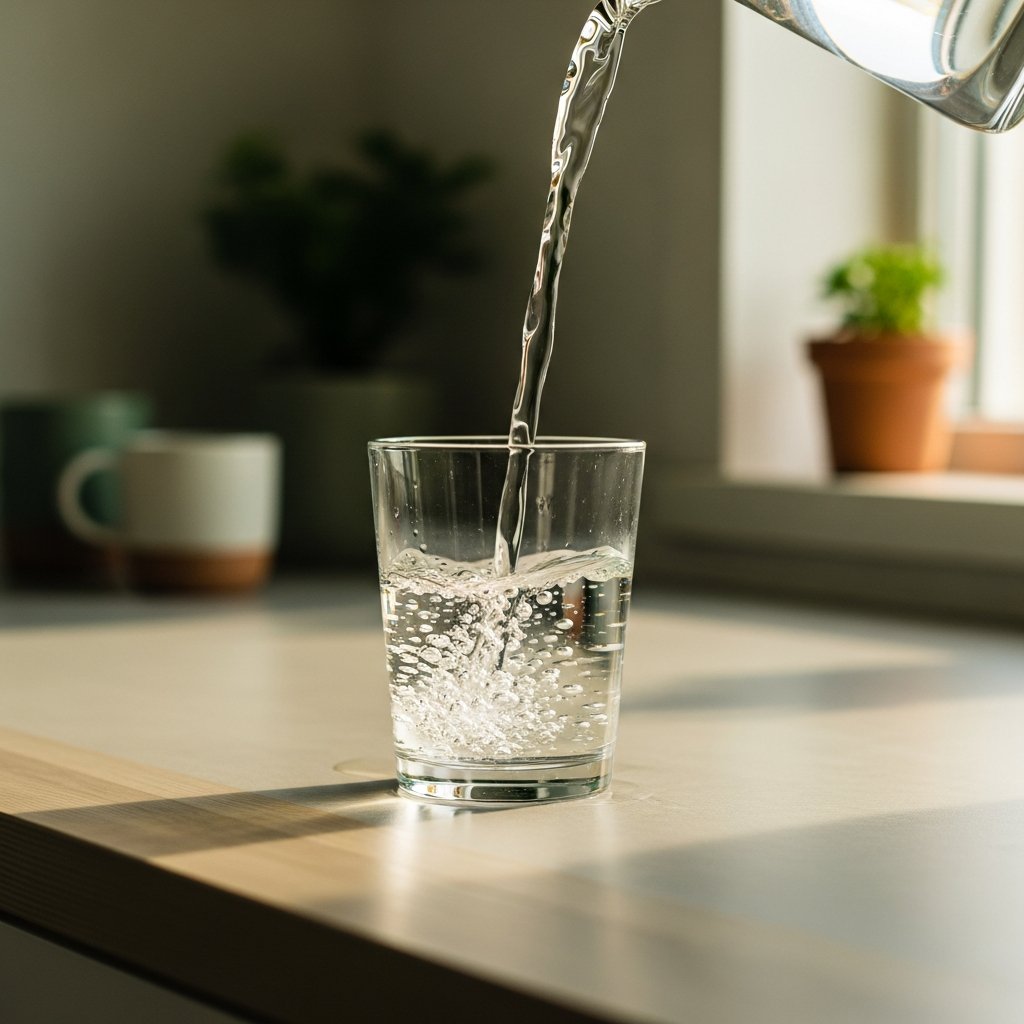
Water is fundamental to every cellular function in your body, yet individual needs vary significantly. The National Academy of Medicine suggests a daily total fluid intake of about 3.7 liters for men and 2.7 liters for women.
This volume supports digestion, temperature regulation, and joint health. Understanding your specific requirements ensures you stay energized and healthy.
General Daily Water Intake Guidelines
Major health organizations provide baseline fluid volumes that account for all water consumed through beverages and food. Understanding these targets helps distinguish between minimum survival needs and optimal hydration.
National Academy of Medicine recommendations
The 2026 accepted fluid standards offer a reliable starting point for most adults. These figures represent total water intake from all sources, not just glasses of plain water.
Daily fluid targets
- Men - Approximately 15.5 cups (3.7 liters) per day
- Women - Approximately 11.5 cups (2.7 liters) per day
- Source - Includes plain water, beverages, and moisture from food
The truth about the '8 glasses a day' rule
The advice to drink eight 8-ounce glasses of water daily is easy to remember but lacks scientific precision. This '8x8' rule totals about 1.9 liters, which falls short of current medical recommendations for most adults.
It may be insufficient for larger bodies or active individuals. However, it remains a reasonable baseline for sedentary people starting to focus on hydration.
How much hydration comes from food?
Diet plays a significant role in hydration, as roughly 20% of daily fluid intake typically comes from solid food. Many fruits and vegetables act as time-released water sources.
Cucumber and lettuce consist of 96% water, while watermelon contains about 92%. Incorporating these foods into your meals reduces the volume of liquid you need to drink directly.
While these baselines are a great starting point, your personal requirements may differ significantly based on your biology and lifestyle.
Factors That Change How Much You Should Drink
Your body's demand for water is dynamic and shifts based on physical exertion, life stage, and your environment. Calculating a more precise number involves adjusting for several personal variables.
Body weight and composition
Larger bodies generally require more fluid to support metabolic processes. A common calculation method is to drink half an ounce to an ounce of water for each pound of body weight.
For example, a person weighing 150 lbs would aim for approximately 75 to 150 ounces daily. This range accommodates differences in metabolism and muscle mass.
Activity level and exercise intensity
Sweat loss during physical activity drives up fluid needs drastically. Experts recommend adding 1.5 to 2.5 cups of water for short workouts to compensate for losses.
Maintaining hydration is critical when following structured exercise routines. Platforms like Nord Pilates provide effective guided workouts that can increase metabolic demand and sweat rates.
When using these personalized pilates plans, it is essential to hydrate before and after your session. Proper fluid balance ensures your muscles function correctly during the step-by-step audio and video instructions.
Pregnancy and breastfeeding requirements
Expectant and nursing mothers have a physiological demand for extra fluids to support fetal circulation and milk production. Guidelines suggest increasing intake to about 10 cups daily during pregnancy.
While breastfeeding, this recommendation rises to approximately 13 cups. Adequate water intake is crucial for maintaining energy levels during these demanding life stages.
Environmental heat and altitude
External conditions directly impact how quickly you lose water. Hot, humid weather increases sweating, requiring more frequent intake to prevent overheating.
High altitudes over 8,200 feet also accelerate fluid loss through rapid breathing and increased urination. Travelers should consciously increase consumption in these environments.
Health status and medications
Conditions like fever, vomiting, or diarrhea deplete fluids rapidly and require aggressive replacement. Conversely, heart failure or kidney disease may necessitate fluid restriction.
Consult your doctor before increasing fluid intake if you are on diuretics or have a condition requiring fluid restriction. Calculating numbers is helpful, but listening to your body's real-time feedback is often the most accurate way to gauge hydration.
How to Tell If You Are Well-Hydrated
Rather than obsessively counting ounces, you can often rely on simple physiological markers to determine if you are drinking enough. Your body has built-in mechanisms to signal when fluid levels are low.
The urine color test
Urine color is one of the most reliable daily indicators of hydration status. Pale yellow urine, resembling lemonade, generally indicates good hydration.
Dark amber urine, similar to apple juice, signals dehydration and the need for fluids. Note that completely clear urine may indicate overhydration.
| Color | Status |
|---|---|
Transparent | Overhydrated |
Pale Straw | Optimal |
Dark Amber | Dehydrated |
Understanding thirst signals
Thirst is an effective mechanism, but it is often a slightly lagging indicator. By the time you feel thirsty, you may already be mildly dehydrated.
The thirst mechanism can become less sensitive with age. Older adults should drink proactively rather than waiting for a dry mouth or throat.
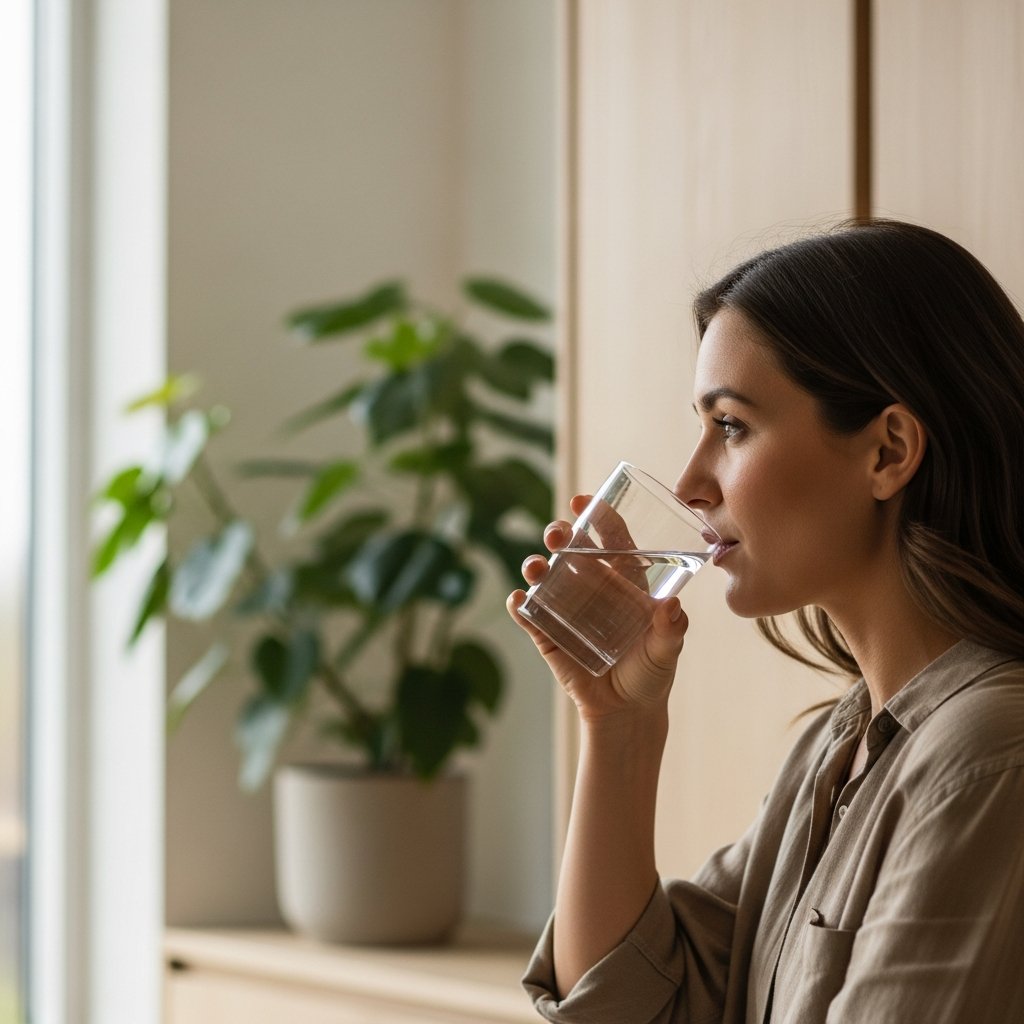
Physical signs of dehydration
Symptoms beyond thirst include fatigue, headache, skin elasticity changes, and dizziness. These signs often appear before severe dehydration sets in.
If you experience confusion, rapid heartbeat, or fainting, seek medical attention immediately as these are signs of severe dehydration.
Can you drink too much water?
Hyponatremia, or water intoxication, occurs when blood sodium levels become dangerously diluted. This condition is rare for the average person.
It is primarily a risk for endurance athletes who drink excessive water without replenishing electrolytes. Once you know how much you need, it helps to know which beverages actually count toward your goals.
Best Sources for Daily Hydration
Meeting your fluid needs does not mean you are limited to plain tap water. Many beverages and fresh foods contribute significantly to your hydration status.
Water-rich fruits and vegetables
Produce with over 90% water content provides hydration alongside essential vitamins and fiber. Celery, lettuce, zucchini, and melons are excellent examples.
Incorporating these foods can be simple with the right guidance. Nord Pilates offers meal suggestions that often feature water-rich ingredients to support your fitness journey.
Following these nutritional recommendations helps you stay hydrated while fueling your body for low-impact pilates workouts.
Do coffee and tea count?
There is a common myth that caffeine dehydrates you, but research suggests otherwise. While caffeine is a mild diuretic, moderate consumption still contributes a net positive to daily fluid intake.
Drinking 3–4 cups of coffee typically counts toward your total hydration goals. However, excessive caffeine intake should still be monitored.
Sparkling water vs. still water
Carbonated water is generally as hydrating as still water. It provides a refreshing alternative for those who find plain water boring.
Check labels for added sugars or high sodium content in flavored varieties. These additives can detract from the health benefits of the beverage.
Knowing what to drink is easy, but remembering to do it consistently can be the real challenge.
Practical Tips to Increase Your Intake
If you struggle to reach your daily targets, simple behavioral changes can make hydration automatic. Building a routine is more effective than relying on willpower alone.
Flavor enhancements and infusions
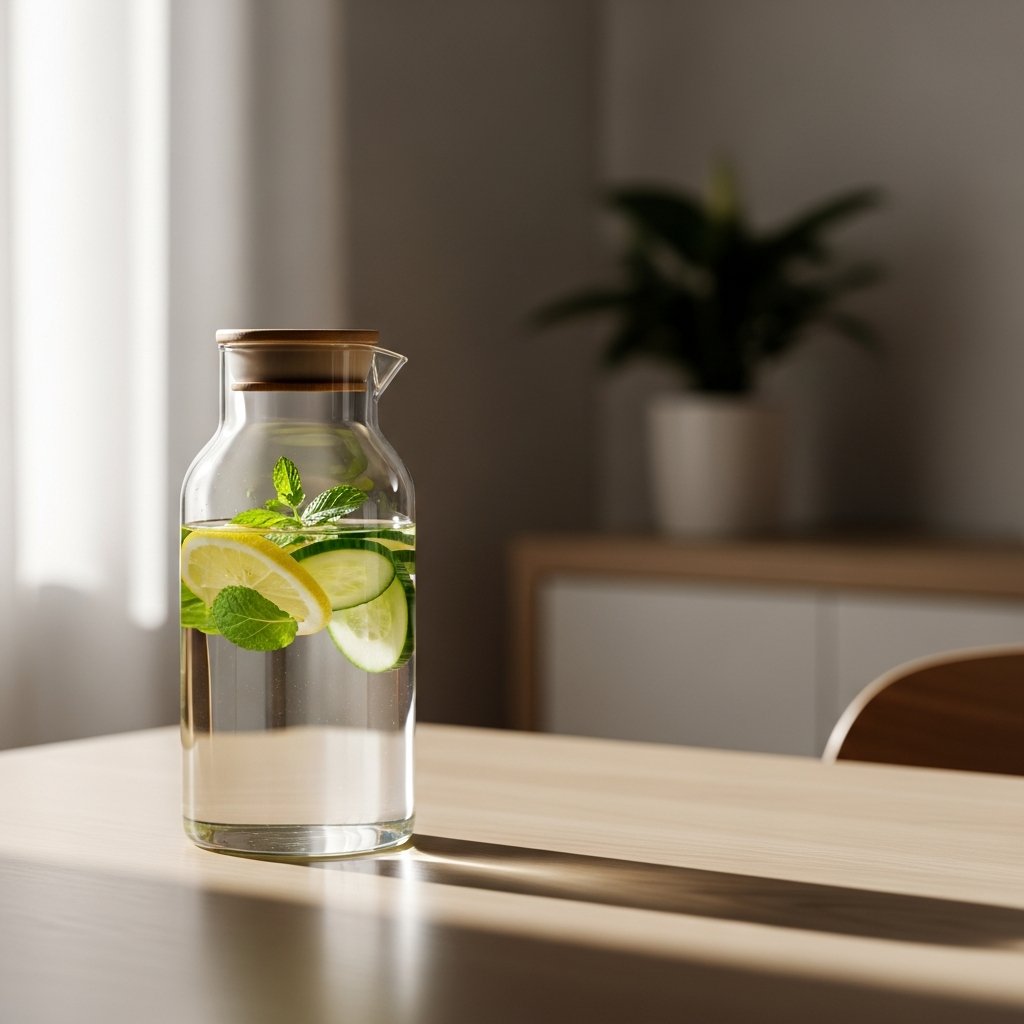
Adding natural flavor to water can significantly improve palatability without sugar. Lemon slices, cucumber, mint leaves, or frozen berries are popular choices.
Using technology for consistency
Building a new habit requires tracking and reminders until it becomes second nature. Nord Pilates excels at this by including daily habit trackers within its wellness app.
These tools allow you to monitor your water intake alongside your fitness progress. The app helps visualize your consistency, making it easier to stick to your hydration goals.
Sequence for daily tracking
Here is a simple way to integrate hydration tracking with Nord Pilates:
Tracking routine
- Open app - Check your daily habit tracker upon waking
- Log intake - Record your first glass of water immediately
- Plan workout - Review your personalized pilates plan for the day
- Hydrate - Drink water before starting the guided video
Habit stacking strategies
Habit stacking involves linking water consumption to existing daily actions. For instance, drink one glass immediately after waking up or before brushing your teeth.
You can also stack hydration with your fitness routine. Commit to drinking a glass of water every time you open the Nord Pilates app to start a session.

Keep water accessible
Reduce friction by keeping a reusable water bottle within arm's reach at all times. Place it in the car, at your desk, or by your bed.
Visual availability is often the strongest cue for consumption. When you see the bottle, you are more likely to sip unconsciously.
Temperature preferences
Temperature preference affects consumption volume more than people realize. Test whether you drink more when water is ice-cold versus room temperature.
Optimize your supply based on what you prefer. This small adjustment can make drinking water feel like a treat rather than a chore.
The Final Take
Optimal hydration is about finding the balance that works for your unique physiology and lifestyle. Starting with the standard recommendations and adjusting for activity and environment is the best approach.
Tools like Nord Pilates can support this journey by integrating hydration tracking with personalized fitness plans. Consistency is key, so focus on building sustainable habits that keep you feeling your best.
FAQ
How much water should I drink to lose weight?
There is no single magic number for weight loss, but staying hydrated supports metabolism. Drinking water before meals may also help manage appetite.
Does drinking water improve skin health?
Proper hydration improves skin elasticity and prevents dryness. However, drinking excess water beyond your needs will not erase wrinkles or cure acne.
Is it better to sip water or gulp it?
Sipping water throughout the day is generally better for absorption. Gulping large amounts at once can cause the body to excrete the fluid more rapidly.
Does hot water hydrate you faster than cold water?
The temperature of water does not significantly change its hydration capability. Choose the temperature that encourages you to drink enough to meet your daily goals.
Share this post