How to Breathe During Exercise for Maximum Performance
By:Author:Nord Pilates Editorial
Updated on:October 20, 2026

Proper respiration is often the missing link between a good workout and a great one. While muscle mechanics get all the attention, oxygen delivery dictates your true limits.
Mastering your breath can delay fatigue and significantly improve your power output. This guide explores the physiology of breathing and practical techniques for various training styles.
The Physiology of Respiratory Efficiency
Understanding the biological demand for oxygen helps explain why specific breathing patterns improve performance. Your lungs and heart work in tandem to fuel metabolic processes while clearing metabolic waste.
Oxygen delivery and muscle function
Efficient inhalation is the primary driver of energy production in the form of adenosine triphosphate (ATP). Oxygen travels from the alveoli into the bloodstream, where it binds to hemoglobin for transport.
Working muscles extract this oxygen to fuel contractions and sustain effort. Research indicates that optimizing oxygen uptake delays the accumulation of fatigue by-products like hydrogen ions.
The role of carbon dioxide expulsion
The overwhelming urge to breathe during exercise usually stems from carbon dioxide buildup, not oxygen deficiency. Controlled, forceful exhalation is necessary to clear this waste gas and regulate blood pH.
Effective removal of CO2 prevents the panic sensation known as 'air hunger' during intense activity. This balance directly impacts your rate of perceived exertion.
Diaphragmatic vs. Thoracic Breathing
Most people default to shallow chest breathing, especially under stress, but this limits lung capacity and increases tension. Learning to engage the diaphragm is the foundation of efficient exercise respiration.
Mechanics of diaphragmatic breathing
Diaphragmatic breathing, or belly breathing, involves the downward contraction of the diaphragm muscle. This action creates a vacuum that pulls air deep into the lower lobes of the lungs.
Utilizing the full capacity of the lungs maximizes oxygen intake per breath. This technique reduces the respiratory rate while maintaining volume.
| Feature | Belly Breathing | Chest Breathing |
|---|---|---|
Primary Muscle | Diaphragm | Intercostals |
Lung Expansion | Lower Lobes | Upper Lobes |
Efficiency | High | Low |
Stress Response | Calming | Exciting |
Limitations of shallow chest breathing
Thoracic breathing restricts oxygen exchange to the upper portion of the lungs. It relies heavily on accessory muscles like the traps and scalenes, which fatigue quickly.
Rapid, shallow breaths often trigger a sympathetic nervous system response. This can lead to hyperventilation or increased anxiety during challenging workouts.

A simple test to check your technique
You can verify your breathing pattern by placing one hand on your chest and the other on your belly. Breathe naturally and observe which hand moves first.
Efficient breathing is indicated by the belly hand rising before the chest hand. Practice this at rest for several minutes before attempting to apply it to exercise.
How to Breathe During Strength Training
Proper breath control during resistance training stabilizes the spine and ensures consistent power output. Timing your inhalations and exhalations with muscle contractions is critical for safety and strength.
The eccentric phase: Inhale on the release
Inhale during the lengthening or 'easy' part of the lift, known as the eccentric phase. For example, breathe in as you lower the bar to your chest during a bench press.
Filling the lungs during this phase increases intra-thoracic pressure. This prepares the body to stabilize the load for the upcoming exertion.
Streamlining breath work with guidance
Mastering the timing of breath with movement can be difficult for beginners without external cues. Apps like Nord Pilates simplify this process by providing audio and video step-by-step workouts that dictate the pace.
The platform offers personalized pilates plans where instructors guide you on exactly when to inhale and exhale during each movement. This real-time feedback ensures you maintain core engagement and avoid holding your breath unintentionally.
Following a guided routine helps internalize the rhythm of breathing until it becomes second nature. The following sequence illustrates how to apply this guidance effectively:
Breath practice sequence
- Select - Choose a beginner flow from the Nord Pilates library.
- Listen - Focus primarily on the instructor's audio breath cues.
- Align - Match your exhalation strictly to the point of exertion.
- Track - Log your session completion to build a daily habit.
The concentric phase: Exhale on the exertion
Exhale forcefully through the mouth during the 'hard' or shortening part of the lift. This concentric phase requires maximum force generation.
Forcing air out recruits the deep core muscles, adding stability to the torso. Many lifters use a distinct 'hissing' sound to control the airflow speed.
Creating intra-abdominal pressure
Bracing the core involves breathing deep into the belly to create a natural 'weight belt' effect. This pressure pushes against the abdominal wall and supports the lumbar spine.
Proper bracing is essential for protecting the lower back during heavy compound movements like squats and deadlifts. It transforms the torso into a rigid cylinder capable of transferring force.
Understanding the Valsalva maneuver
The Valsalva maneuver involves holding the breath briefly during peak exertion to maximize stiffness. While effective for powerlifters, it causes temporary spikes in blood pressure.
This technique is generally contraindicated for beginners or individuals with hypertension. Always consult a professional before attempting advanced breath-holding strategies.
Breathing Strategies for Cardio and Running
Endurance activities require a steady flow of oxygen to maintain aerobic energy production over time. Establishing a rhythm helps prevent side stitches and keeps your heart rate manageable.
Establishing a rhythmic breathing pattern
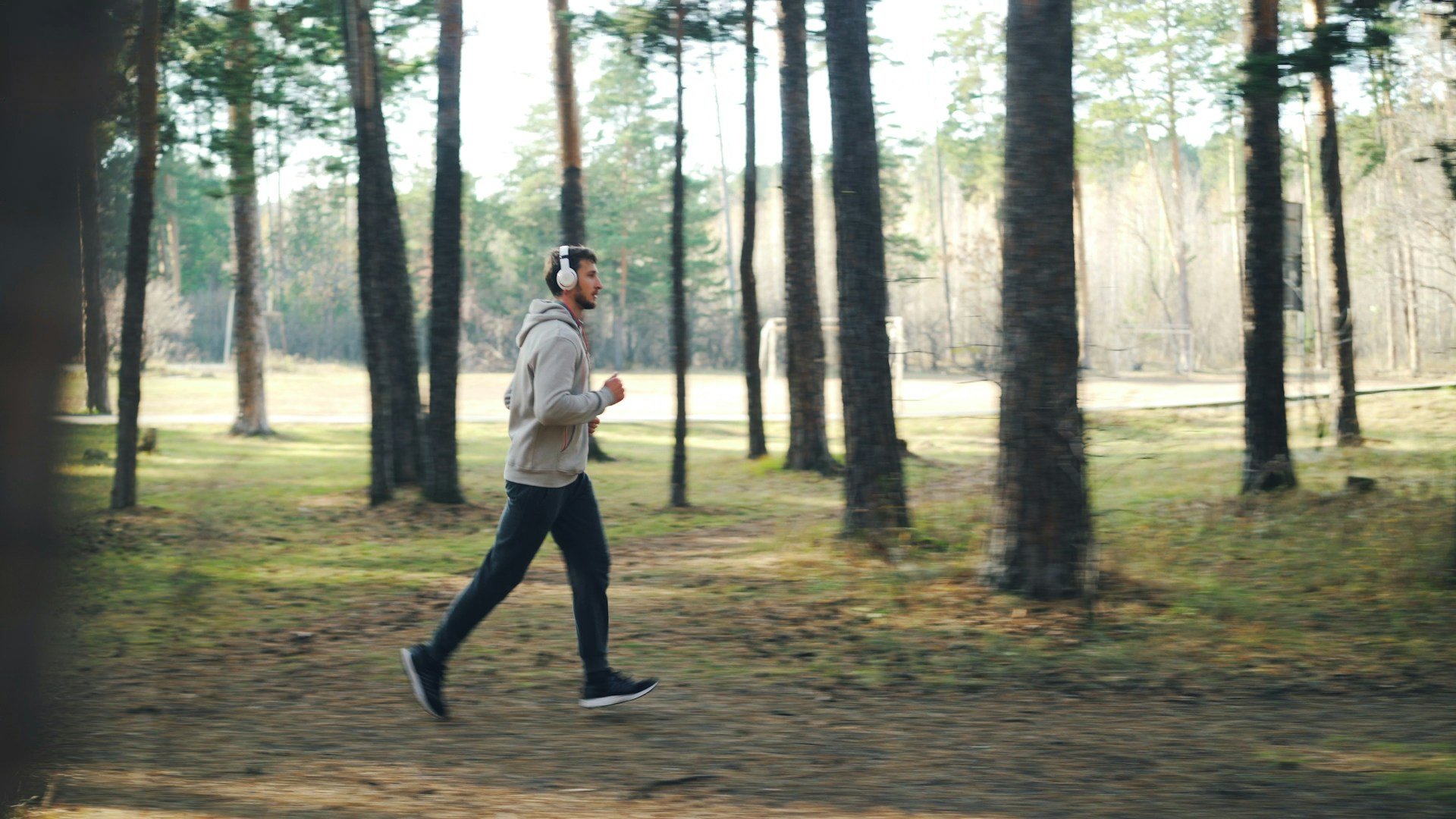
Locomotor-respiratory coupling refers to synchronizing your breath with your footfalls. A common pattern is a 2:2 ratio, meaning you inhale for two steps and exhale for two steps.
Rhythmic breathing focuses the mind and helps regulate your running pace. Programs that include fitness challenges, such as those found in Nord Pilates, often rely on consistent pacing strategies to build endurance safely.
Nose breathing for lower intensity zones
Nasal breathing is beneficial during Zone 2 or steady-state cardio efforts. The nose filters, warms, and humidifies the incoming air before it reaches the lungs.
Breathing through the nose also increases nitric oxide production, which improves oxygen extraction efficiency. Use the 'talk test' to confirm that your intensity remains low enough to sustain nasal breathing.
Switching to mouth breathing at high intensity
As exercise intensity rises, the body's demand for air eventually exceeds nasal capacity. Oral breathing becomes necessary to move large volumes of air quickly during sprints.
Keeping the jaw relaxed helps maximize intake and reduce tension in the neck. Do not force nasal breathing once you cross your anaerobic threshold.
Managing breathlessness during HIIT
Recovery during rest intervals is crucial for high-intensity interval training (HIIT). Focus on slow, deep exhales to lower your heart rate and clear CO2 before the next set begins.
Avoiding 'panic breathing' or shallow panting helps you recover faster. Controlled respiration signals the nervous system to return to a parasympathetic state.
Troubleshooting Common Respiratory Issues
Respiratory fatigue or sharp pains can derail a workout if not addressed immediately. Learning to manage these common hiccups can help you push through without stopping.
Causes of exercise-related transient abdominal pain (ETAP)
A 'side stitch', or ETAP, often feels like a sharp stab under the rib cage. Leading theories suggest it results from irritation of the parietal peritoneum or diaphragm spasms.
Consuming heavy food or liquid too close to a workout is a common trigger. Utilizing the meal suggestions provided by apps like Nord Pilates can help you time your nutrition to minimize digestive stress during exercise.
Techniques to resolve a stitch mid-workout
You can often alleviate a stitch without stopping completely by adjusting your mechanics. Slow down and exhale deeply as the foot on the *opposite* side of the pain strikes the ground.
Stretching the affected side or pressing gently on the area while exhaling may also provide relief. Resume normal intensity only once the pain subsides.
Breathing Insight
Most side stitches resolve within minutes if you reduce intensity and focus on deep, controlled exhalation.
Preventing dizziness and lightheadedness
Dizziness usually occurs due to rapid changes in blood CO2 levels from holding your breath or hyperventilating. If you feel lightheaded, stop immediately and find a safe place to sit.
Resume activity only after your breathing returns to a normal, controlled rhythm. Persistent dizziness requires a longer recovery period.
When to Seek Medical Attention
Shortness of breath is a natural response to exertion, but it should resolve quickly during rest. Recognizing the difference between a hard workout and a medical emergency is vital for safety.
Signs of exercise-induced bronchoconstriction
Symptoms like wheezing, coughing, or a tight chest that persist after exercise stops may indicate bronchoconstriction. This is common in cold, dry air environments and may require medical management.
Consult a healthcare provider if you consistently experience these symptoms. They can evaluate lung function and prescribe appropriate treatments.
Red flags for heart or lung distress
Urgent symptoms include pain radiating down the arm, extreme pressure, or the inability to speak a single word. Seek emergency care if breathing does not return to baseline after rest.
Chest pain accompanied by nausea or dizziness is a serious warning sign. Prioritize safety over completing the workout.
The Final Take
Breathing is a skill that requires practice just like any other physical movement. By consciously engaging your diaphragm and synchronizing your breath with your motion, you can unlock greater endurance and stability.
Tools like Nord Pilates can accelerate this learning curve by providing structured guidance and personalized plans. Start with simple awareness and gradually integrate these techniques into your routine for lasting performance gains.
FAQ
Is it better to breathe through your nose or mouth when exercising?
Nasal breathing is superior for low-to-moderate intensity exercise as it filters air and improves oxygen extraction. Mouth breathing becomes necessary during high-intensity efforts to move larger volumes of air.
Why do I yawn during exercise?
Yawning during exercise is often a mechanism to cool the brain or increase oxygen intake rapidly. It may also signal a transition in your body's arousal state or fatigue level.
How can I increase my lung capacity for exercise?
Regular cardiovascular training and specific diaphragmatic breathing exercises can improve respiratory efficiency. Consistency is key to strengthening the respiratory muscles over time.
Share this post