How To Fix Anterior Pelvic Tilt: Proven Stretches And Strengthening Exercises
By:Author:Nord Pilates Editorial
Updated on:October 20, 2026
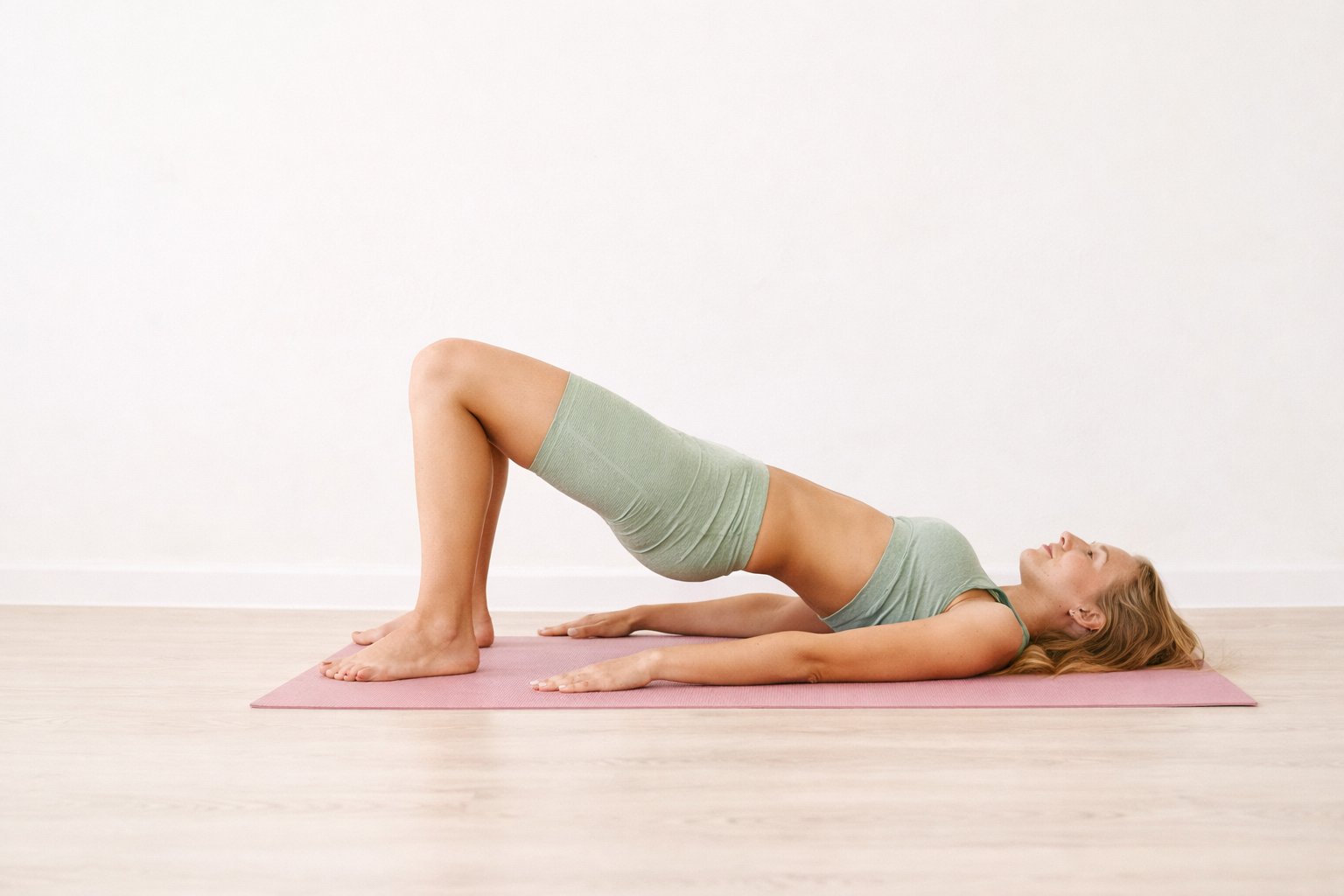
Anterior pelvic tilt creates a distinct arch in the lower back that can lead to chronic discomfort and mobility issues. This common postural misalignment often results from prolonged sitting and specific muscle imbalances.
Correcting this tilt requires a targeted approach that combines release techniques for tight muscles with activation drills for weak ones. This guide covers the mechanics of the condition and provides actionable steps to restore a neutral pelvis.
Understanding Anterior Pelvic Tilt Mechanics
Before starting a corrective routine, it helps to visualize exactly how muscle imbalances pull the pelvis out of alignment. Research typically attributes this posture to a specific pattern of tension and weakness known as Lower Crossed Syndrome.
What Happens To The Pelvis?
In this condition, the front of the pelvis drops forward while the back rises, significantly increasing the curve of the lumbar spine. This rotation is often called 'swayback' and creates a visible protrusion of the abdomen.
Clinicians measure the angle between the anterior superior iliac spine (ASIS) and the posterior superior iliac spine (PSIS) to determine severity. A tilt greater than 5–10 degrees generally indicates a deviation from neutral alignment.
The Role Of Lower Crossed Syndrome
Experts identify a 'cross' pattern where tight hip flexors and lumbar extensors interact with weak glutes and abdominals. This muscular tug-of-war forces the pelvis to tip forward, compromising stability.
Sedentary lifestyles serve as a primary driver for these imbalances. Sitting for more than six hours a day shortens the hip flexors while simultaneously deactivating the glutes.
Why Glute Activation Matters
Waking up the glutes is essential to counteract the forward pull of the pelvis. When the glutes suffer from 'gluteal amnesia,' they fail to extend the hip effectively, leaving the lower back to compensate.
Long-term correction requires building resting tension in these posterior chain muscles. Simply stretching tight areas without strengthening the glutes will yield only temporary results.
Self-Assessment Methods For Home Use
While a physical therapist provides the most accurate diagnosis, several simple screening tests can indicate whether your hip flexors are tight or your pelvis is tilted. These assessments serve as a baseline to track your progress over time.
The Thomas Test For Hip Tightness
To perform this test, lie on the very edge of a sturdy table. Pull one knee firmly to your chest while letting the other leg hang freely off the edge.
If the hanging thigh lifts off the table, it suggests a tight iliopsoas muscle. If the lower leg extends outward rather than hanging vertically, it points to a tight rectus femoris.
The Standing Wall Test
Stand with your heels, buttocks, shoulders, and head touching a wall. Attempt to slide your hand into the space between your lower back and the wall.
A gap thicker than one hand width generally indicates excessive lumbar lordosis. Pro tip: Keep your head neutral rather than tucking the chin excessively during this check.
Visual Cues In The Mirror
Stand sideways in front of a full-length mirror and observe your belt line. A line that is significantly lower in the front and higher in the back suggests an anterior tilt.
Consistent tracking helps confirm if corrective exercises are working. Many users find that using a dedicated app like Nord Pilates to log visual progress helps maintain motivation, as it provides a structured way to compare posture over weeks of training.
Essential Stretches To Release Hip Tension
Loosening the tight muscles at the front of the hips is critical to allowing the pelvis to rotate back into a neutral position. Experts recommend performing these mobility drills daily to counteract the effects of sitting.
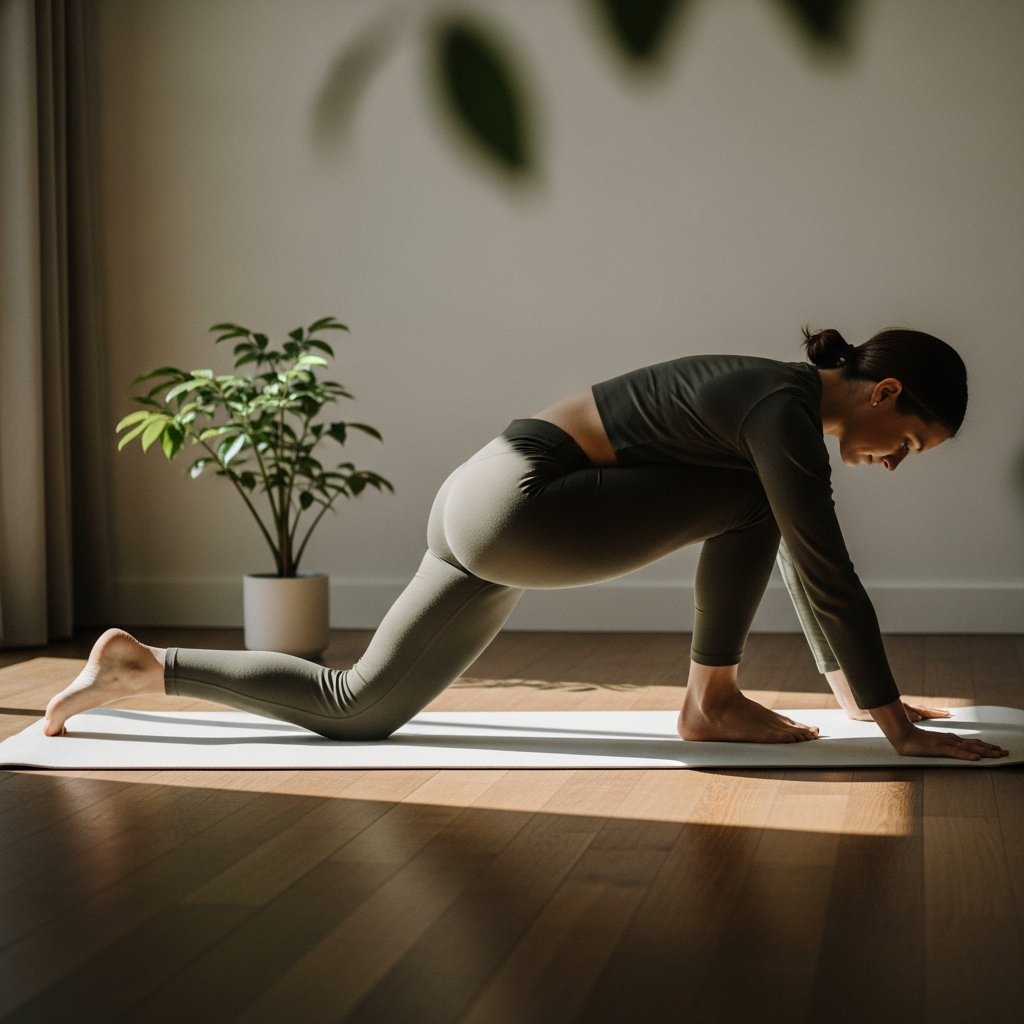
Half-Kneeling Hip Flexor Stretch
Start in a half-kneeling position with one knee on the floor and the other foot planted forward. Engage a posterior pelvic tilt by tucking your tailbone under before shifting your weight forward.
Hold this position for 30–60 seconds per side to target the psoas effectively. Avoid arching the lower back, as this compensation defeats the purpose of the stretch.
Standing Quad Stretch
Pull one heel toward your glutes to stretch the rectus femoris, which crosses both the hip and knee. Keep the knees close together and the core braced to prevent lumbar extension.
This muscle is often responsible for the downward pull on the pelvis. Ensuring the thigh remains vertical is key to isolating the target area.
Cat-Cow For Spinal Mobility
This movement mobilizes the lumbar spine through a full range of motion. Focus heavily on the 'cat' phase, where the back rounds and the pelvis tucks under, to oppose the anterior tilt pattern.
Perform 8–10 slow, controlled cycles to teach lumbar control. Apps like Nord Pilates include audio-guided cues for these flows, ensuring you maintain the correct tempo and breathing rhythm for maximum release.
Child's Pose With Side Reach
Settle into Child's Pose to gently lengthen the lower back extensors. walking your hands to one side adds a stretch for the latissimus dorsi and quadratus lumborum.
Tight lats can inadvertently pull the spine into an arch during overhead movements. Hold the side reach for 20–30 seconds to open up the lateral line of the torso.
Lying Knee-To-Chest Stretch
Lie on your back and pull one knee toward your chest while keeping the other leg flat. This position gently lengthens the lower back muscles in a supported environment.
It serves as an excellent morning reset to neutralize the pelvis before starting the day. Ensure the straight leg remains grounded to maximize the effect.
Strengthening Exercises To Correct Anterior Pelvic Tilt
To permanently fix anterior pelvic tilt, you must build endurance in the glutes and abdominals so they can actively hold the pelvis neutral. These exercises focus on high-tension activation rather than heavy lifting.
Glute Bridges
Lie on your back with knees bent and feet flat, then drive through the heels to lift the hips. Squeeze the glutes hard at the top without allowing the lower back to hyperextend.
Target 2–3 sets of 12–15 reps to build endurance. Adding a resistance band above the knees can increase activation in the glute medius.
Structured Home Pilates Routines
Consistency is the biggest challenge when correcting posture, as random exercises rarely yield long-term results. Nord Pilates addresses this by providing personalized low-impact pilates plans that specifically target core stability and pelvic alignment.
The app offers effective guided workouts that adapt to your current fitness level, ensuring you don't overstrain while building necessary strength. Users benefit from exclusive expert content that breaks down complex movements into manageable steps. The daily habit trackers also help visualize consistency, which is crucial for neurological repatterning.
Quick Core Activation Sequence
- Setup - Open the Nord Pilates app and select a 'Core Stability' module.
- Engage - Follow the audio cues to find your neutral spine before moving.
- Execute - Perform the guided dead bugs, focusing on keeping ribs down.
- Review - Use the post-workout summary to track your streak.
By following a structured plan, you remove the guesswork from corrective exercise. This ensures every session contributes directly to fixing the tilt.
The RKC Plank
Unlike a lazy plank, the RKC version involves actively pulling the elbows toward the toes. This creates massive tension in the deep core.
Squeeze the glutes maximally to lock the pelvis in place. Hold for 10–20 seconds of max effort to train the transverse abdominis.
Dead Bugs
Lie on your back with arms and legs in the air, knees bent at 90 degrees. Lower opposite arm and leg while keeping the lower back crushed against the floor.
This movement trains the core to resist extension, directly counteracting the anterior tilt mechanism. Perform 10 controlled reps per side.
Posterior Pelvic Tilt Drills
Practice the subtle motion of tilting the pelvis backward while lying supine or standing. Think of 'zipping up the abs' or flattening the lower back.
Small, frequent practice builds the neuromuscular connection required for better posture. It teaches the brain where 'neutral' actually feels.
Reverse Lunges
Stepping backward into a lunge allows for a vertical shin angle and greater glute emphasis. Maintain a slight forward torso lean to prevent the lower back from arching.
This functional movement integrates pelvic control into standing patterns. Stop immediately if you feel any knee pain.
Lifestyle Adjustments For Long-Term Posture
Spending eight hours a day in a compromised position can undo the benefits of a 30-minute workout. Adjusting how you sit, stand, and sleep helps integrate your corrective work into everyday life.
Optimizing Workstation Ergonomics
Set up your chair so that your hips are slightly higher than your knees, opening the hip angle beyond 90 degrees. This simple change reduces passive tension on the hip flexors.
Take frequent breaks to stand or walk. This prevents muscles from shortening adaptively due to prolonged static positioning.
| Feature | Sitting | Standing |
|---|---|---|
Primary Muscle | Hip Flexors (Shortened) | Glutes (Active) |
Spine Position | Lumbar Compression | Neutral Alignment |
Metabolic Impact | Low Calorie Burn | Higher Engagement |
Standing Posture Cues
Use mental cues like 'soft knees' and 'ribs down' when standing in lines or doing daily tasks. These reminders prevent you from locking into a swayback position.
Shift weight evenly between both feet rather than sinking into one hip. Nord Pilates includes daily tips and notifications that serve as excellent reminders to check your stance throughout the day.
Sleeping Positions To Consider
Sleeping on the stomach often exaggerates the lumbar curve and should be avoided if possible. Instead, try sleeping on the side with a pillow between the knees.
Back sleepers can place a pillow under the knees to keep the pelvis neutral. These adjustments relieve lower back stress during the night.
Key Differences: Normal Anatomy Vs. Dysfunction
Not every curve in the spine requires fixing, as a slight anterior pelvic tilt is common and asymptomatic in many healthy individuals. Understanding the difference between normal variation and problematic dysfunction can prevent unnecessary worry.
What Is Considered 'Normal' Tilt?
Research indicates that a perfectly neutral pelvis is rare. A slight anterior tilt of roughly 5–10 degrees is statistically normal for most adults, especially women.
'Fixing' the tilt is generally only necessary if it is excessive or associated with pain. Functional movement matters more than static alignment.
When To Seek Professional Care
Seek a doctor or physical therapist if you experience sharp pain, numbness, or if the posture change occurred suddenly after an injury. Persistent lower back pain that does not improve with rest or gentle movement requires professional evaluation.
The Final Take
Fixing anterior pelvic tilt requires a balanced approach of releasing tight hip muscles and strengthening the glutes and core. Consistency with these corrective exercises is the key to reshaping your posture over the long term.
Tools like Nord Pilates can streamline this process by providing structured, personalized routines that keep you on track. By integrating these movements into your daily life, you can reduce back pain and improve your overall alignment.
FAQ
How Long Does It Take To Fix Anterior Pelvic Tilt?
Most people notice improvements in 4–12 weeks with consistent daily practice. However, structural changes can take longer depending on the severity of the tilt and daily habits.
Is Running Bad For Anterior Pelvic Tilt?
Running can exacerbate the tilt if the core is weak and the back arches during the stride. Strengthening the glutes and core will help maintain a neutral pelvis while running.
Can You Fix Anterior Pelvic Tilt While Sleeping?
You cannot fix it solely by sleeping, but proper sleep positions prevent it from getting worse. Using pillows to support a neutral spine complements your active corrective exercises.
Does Anterior Pelvic Tilt Cause Belly Fat?
It does not cause fat, but it pushes the abdominal contents forward, creating the illusion of a 'pooch.' Correcting the tilt often flattens the appearance of the stomach immediately.
Share this post