How To Improve Flexibility: A Complete Guide For 2026
By:Author:Nord Pilates Editorial
Updated on:October 20, 2026
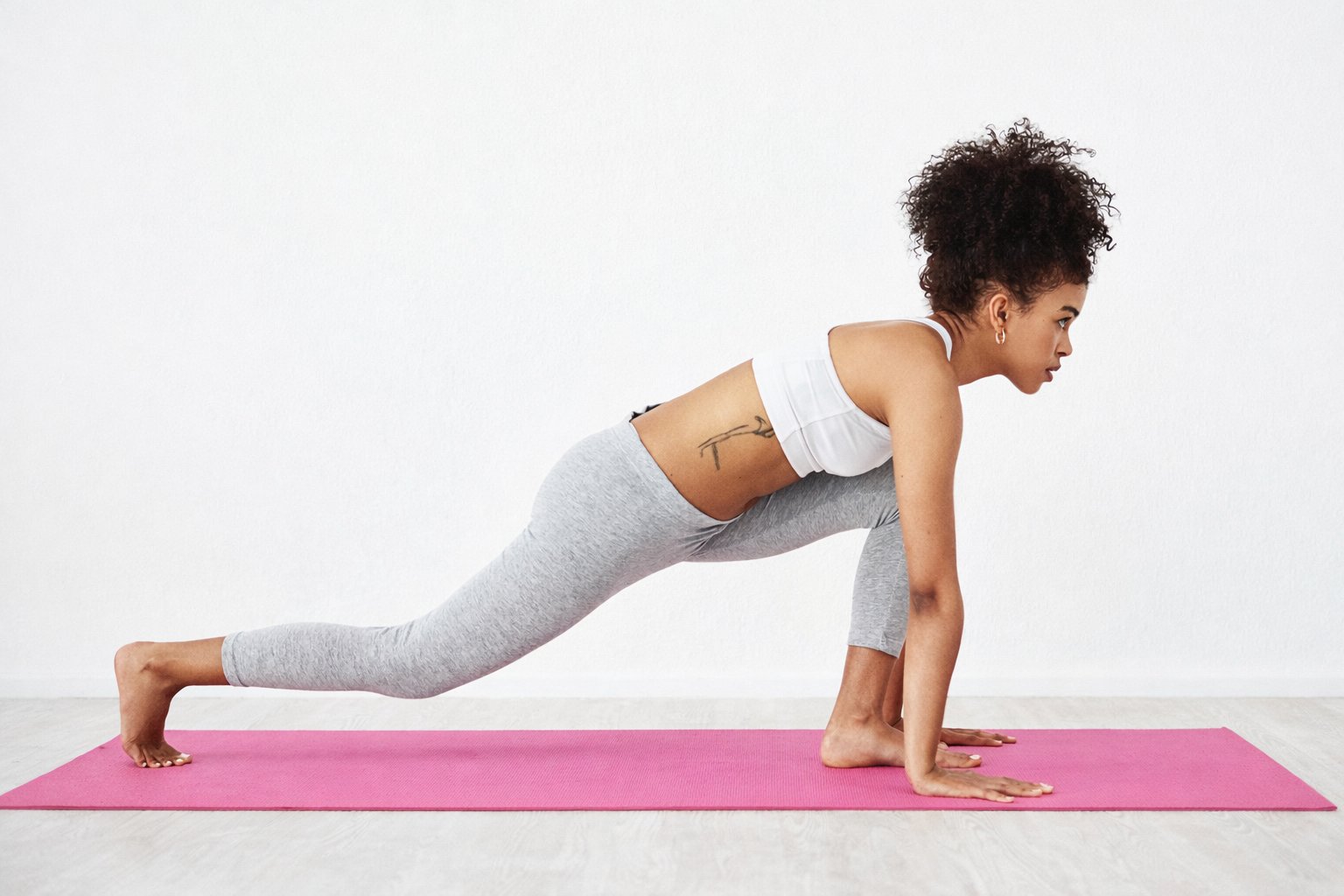
True flexibility is not just about touching your toes; it allows your joints to move through their full range of motion without pain. A mobile body functions more efficiently, reducing the risk of injury during daily tasks and athletic pursuits.
Achieving lasting pliability requires a strategic approach that goes beyond casual stretching. This guide explores proven techniques, safety protocols, and lifestyle adjustments to help you move with greater freedom.
Key Differences At A Glance
Understanding the distinction between different types of stretching is crucial for designing an effective routine. The following comparison highlights when to use specific techniques for optimal results.
Stretching techniques comparison
Different goals require specific methods. Use this table to match your technique to your immediate needs.
| Technique | Best Time to Do It | Primary Benefit |
|---|---|---|
Dynamic Stretching | Pre-activity | Warms up muscles |
Static Stretching | Post-activity | Lengthens tissue |
PNF | Dedicated sessions | Rapid gains |
Ballistic | Athletic conditioning | Power development |
Once you understand the types of stretching, it is helpful to explore the specific methods that yield the best results.
Proven Methods To Increase Flexibility
Improving your range of motion requires a multi-faceted approach rather than relying on a single type of exercise. Research supports integrating the following techniques to safely lengthen muscle tissue and retrain the nervous system.
Prioritize dynamic stretching before activity
Dynamic stretching involves moving joints through their full range of motion effectively. This movement increases blood flow and decreases stiffness, actively preparing the body for the work ahead.
Evidence suggests this method reduces injury risk compared to static holding before a workout. Common examples include leg swings, arm circles, and torso twists.
Utilize static stretching for cool-downs
This practice involves holding a position for 15 to 60 seconds when muscles are already warm. Consistency is key here, as static stretching creates semi-permanent changes in muscle length over time.
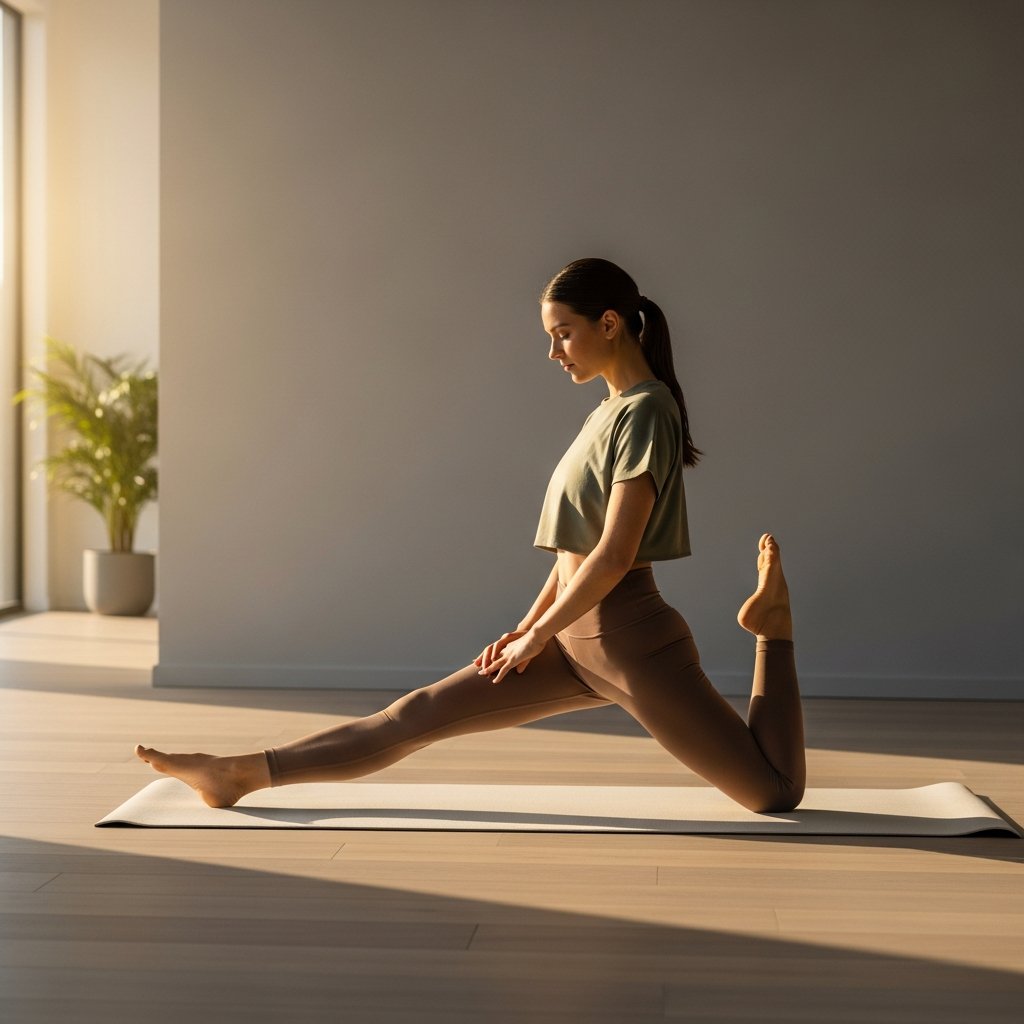
Users should relax into the stretch rather than forcing it. Deep relaxation allows the tissue to elongate without triggering a protective contraction.
Incorporate PNF techniques
Proprioceptive Neuromuscular Facilitation (PNF) is an advanced method often involving a partner or resistance band. It relies on a contract-relax cycle to trick the nervous system into allowing more length.
A muscle is tensed isometrically before being stretched further during the relaxation phase. Avoid this method if you are recovering from a recent muscle strain.
Apply self-myofascial release
Fascia is the connective tissue that wraps around muscles, and it can restrict movement if it becomes glued down. Applying pressure to trigger points can release this tension and improve sliding surfaces.
Using a foam roller or lacrosse ball on tight areas like calves or quads is highly effective. This improves tissue quality and range of motion before stretching even begins.
Focus on breath control
There is a direct connection between the nervous system and muscle tension. Deep diaphragmatic breathing stimulates the parasympathetic nervous system, signaling the body to relax.
Exhaling deeply as you move into the end range of motion helps reduce resistance. This allows for a deeper, safer stretch.
Applying these methods is most effective when organized into a structured routine targeting major muscle groups.
A Full-Body Routine For Beginners
You do not need an hour-long session to see progress; a short, targeted routine performed consistently is far more effective. This sequence targets common areas of tightness such as the hips, hamstrings, and shoulders.
Modern tools for guided practice
Maintaining a consistent routine at home can be difficult without instruction or structure. Nord Pilates offers a solution by providing personalized workout plans that adapt to your specific flexibility levels.
The app delivers step-by-step audio and video guidance, ensuring you maintain proper form while stretching. This prevents the common mistake of cheating the movement, which often happens when practicing alone.
Nord Pilates also includes daily habit trackers to help you stick to your mobility goals. Here is how to use the platform for a quick start:
Routine setup
- Create profile - Input your current activity level and goals.
- Select flow - Choose a mobility-focused session from the library.
- Follow cues - Match your breathing to the audio instructions.
- Log session - Track completion to build your streak.
Cat-Cow stretch for spinal mobility
This movement is a gentle way to wake up the spine and relieve tension along the back. Start on all fours, arching the back (Cow) on an inhale and rounding the spine (Cat) on an exhale.
Perform this rhythmic motion for 1–2 minutes. It effectively relieves back tension accumulated from sitting.
Standing forward fold for hamstrings
A safe forward fold requires bending from the hips rather than rounding the waist. Keep a slight bend in the knees if your hamstrings are very tight to protect the lower back.
Gravity helps decompress the spine in this position. Let your head hang heavy to release neck tension.

Lunge with a twist for hips and thoracic spine
Enter a low lunge position to target the hip flexors of the back leg. Add a torso rotation toward the front leg to open the chest and upper back.
This compound movement addresses sitting-related stiffness efficiently. It targets multiple tight areas simultaneously.
Doorway stretch for chest and shoulders
Use a door frame to stretch the pectorals by placing your forearms against the frame. Tight chest muscles contribute to poor posture, which limits overall flexibility.
Lean forward gently until a stretch is felt across the front of the shoulder. Hold without bouncing.
Butterfly stretch for inner thighs
Sit with the soles of the feet touching and knees falling outward. Sit tall to align the pelvis before gently pressing the knees down.
This targets the adductors, which are often neglected in standard routines. Keep the spine straight throughout the hold.
While exercises are fundamental, your lifestyle habits also play a significant role in how pliable your muscles remain.
Lifestyle Factors That Influence Mobility
Flexibility is not solely determined by how often you stretch. Physiological and environmental factors also dictate tissue elasticity.
Hydration and tissue health
Muscles and fascia require water to slide over each other smoothly. Dehydration can lead to glued-down tissues and stiffness.
Drinking water consistently throughout the day maintains tissue suppleness. This simple habit supports all your mobility efforts.
Temperature and muscle elasticity
Heat is beneficial for flexibility because warmer muscles are more elastic and less prone to injury. This is why hot yoga or stretching after a warm bath is often recommended.
Layering clothing during warm-ups in colder environments helps retain body heat. Cold muscles are naturally more brittle and resistant to length.
Strength training through full range of motion
There is a misconception that lifting weights makes you stiff, but strength training with proper form can actually improve flexibility. Nord Pilates leverages this by combining strength work with full range of motion exercises.
Building strength at the end range of motion teaches the nervous system that these positions are safe. This often leads to more permanent flexibility gains than passive stretching alone.
Before beginning any new regimen, it is important to recognize safety boundaries to prevent injury.
Safety Guidelines And Precautions
Pushing your body too hard or too fast can lead to strains that set your progress back. Adhering to safety best practices ensures long-term mobility health.
Differentiating pain vs. discomfort
You must distinguish between the mild tension of a stretch and sharp, shooting pain. Stop immediately if you feel pinching or sharp sensations.
Flexibility training should never be painful. Discomfort should be manageable and fade as you hold the position.
Avoiding the stretch reflex
The stretch reflex is the body's automatic defense against overstretching. Bouncing, known as ballistic stretching, can trigger this reflex and cause muscles to tighten.
Stick to slow, controlled movements to bypass this defense mechanism. Patience yields better results than force.
Modifying for injury or age
Past injuries or aging joints may require modifications to standard poses. Nord Pilates offers alternative movements within its personalized plans to accommodate these limitations safely.
Using props like blocks or straps helps maintain proper alignment without forcing the body into compromised positions. Respecting your current limits is the fastest way to expand them.
Common inquiries about flexibility often revolve around timing, expectations, and limitations.
The Final Take
Improving flexibility is a journey that enhances your overall quality of life and physical freedom. By combining the right techniques with consistency and patience, you can unlock a greater range of motion at any age.
Tools like Nord Pilates can simplify this process by providing the structure and guidance needed to succeed. Start with small daily habits, and your body will thank you for the increased mobility.
Frequently Asked Questions
Below are answers to the most common questions regarding flexibility training timelines and limitations.
How long does it take to see improvements in flexibility?
Most people feel a difference within 2 to 4 weeks of consistent practice (3–4 times per week). Significant structural changes often take 2 to 3 months of dedication.
Is it better to stretch in the morning or at night?
Dynamic stretching is best in the morning to reduce stiffness and prepare for the day. Static stretching is ideal at night or post-workout when muscles are warm and pliable.
Can you become flexible if you are naturally stiff?
While genetics play a role, nearly everyone can improve their baseline flexibility through training. Consistent practice yields results regardless of your starting point.
Does age affect flexibility?
Tissues lose elasticity with age, making flexibility harder to maintain. However, regular mobility work can effectively slow or reverse this decline.
Share this post