How To Prevent Workout Injuries And Train For Longevity
By:Author:Nord Pilates Editorial
Updated on:October 20, 2026
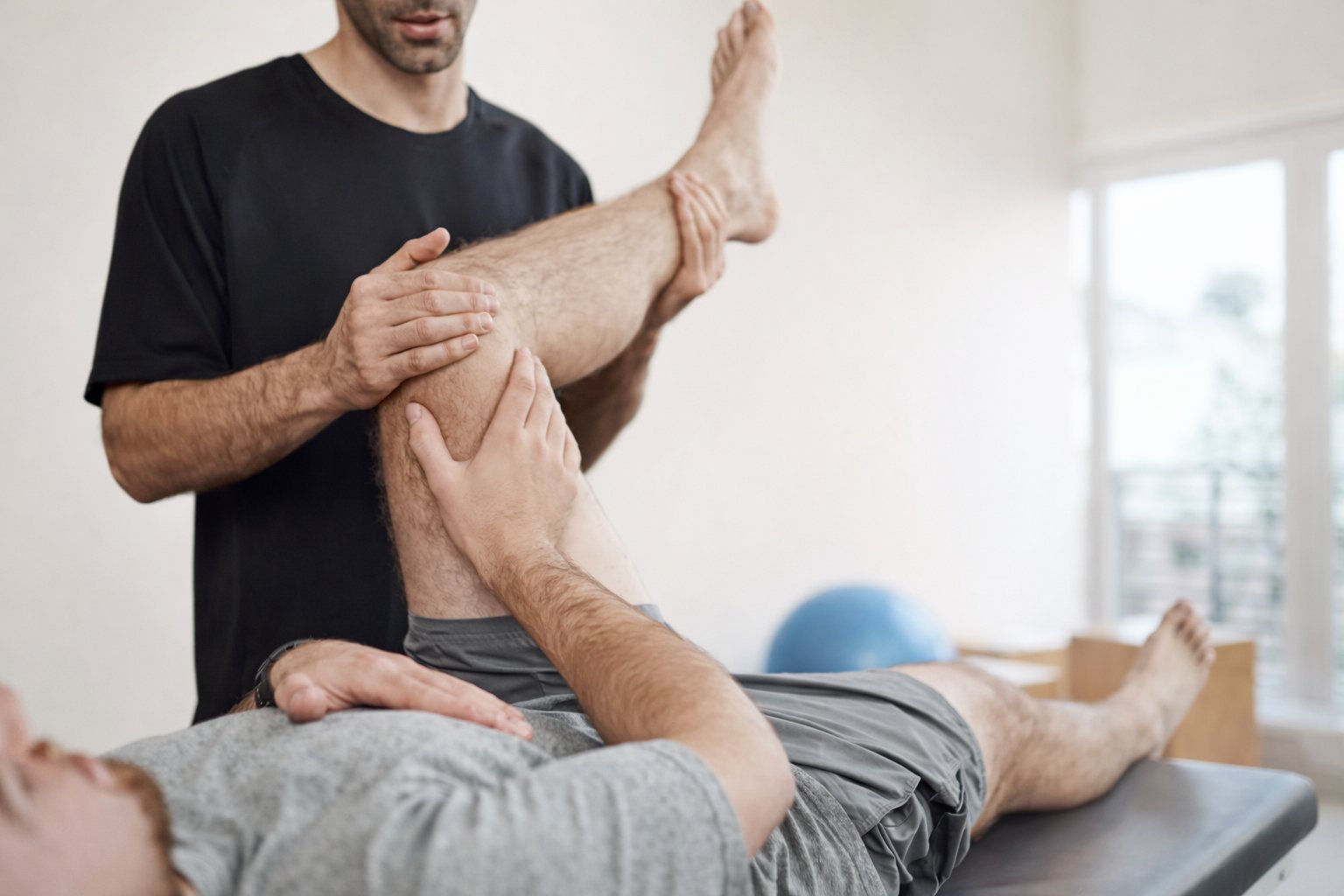
Injuries often derail progress just when physical results begin to appear. Training for longevity requires shifting focus from maximum short-term intensity to sustainable, consistent practice.
By understanding biomechanics and respecting recovery needs, you can build strength without compromising your joints. This guide explores the fundamental principles of staying injury-free while pursuing lifelong fitness goals.
Core Principles of Injury-Free Training
Prevention starts with a foundational understanding of how the body adapts to stress. Evidence indicates that managing load and preparing tissues correctly are the most effective ways to mitigate risk.
Adopt a dynamic warm-up strategy
Cold tissues are less pliable and more prone to tearing under stress. Current exercise physiology consensus advises against static stretching before a workout, as it may temporarily reduce muscle power.
Instead, prioritize dynamic movements that increase blood flow and lubricate the joints. Spending 5–10 minutes progressively increasing your heart rate prepares the body for specific demands.
Effective dynamic movements
- Leg swings - Loosen the hips and hamstrings through a full range of motion.
- Arm circles - Mobilize the shoulder girdle and improve thoracic rotation.
- Bodyweight lunges - Activate the glutes and quadriceps while challenging stability.
Follow the principle of progressive overload
Progressive overload is the gradual increase of stress placed upon the body over time. A common error involves increasing intensity too quickly, often described as 'too much, too soon.'
Adhering to the 10% rule helps prevent overuse injuries. This involves increasing weight or volume by no more than 10% per week.
Slow progression allows tendons and ligaments to adapt to new loads. These tissues have less blood flow than muscles and require more time to strengthen.
Prioritize active recovery and rest
Rest should be viewed as a period of physiological repair rather than inactivity. Tissue remodeling occurs during sleep and rest intervals, not during the workout itself.
Active recovery techniques, such as light walking or mobility work, help flush metabolic waste without adding strain. Inadequate recovery time is a primary risk factor for stress fractures and chronic fatigue.
While managing load is critical, the mechanical way you move determines where that load is distributed. Proper form is the ultimate safeguard.
Mastering Biomechanics and Form
Proper technique ensures that force is transmitted through muscle tissue rather than joint structures. Maintaining structural integrity under load is often the difference between a successful lift and an acute injury.
Align posture to protect the spine
A neutral spine is essential for safely transferring force during loaded movements. Rounding or hyperextending the back can place uneven pressure on vertebral discs.
Engaging the core creates intra-abdominal pressure that acts as a natural brace. Cues such as 'stacking the ribs over the hips' help maintain this alignment during squats or overhead presses.
For those training at home, visual guidance is crucial for maintaining this alignment. Nord Pilates offers video-guided workouts that demonstrate precise body positioning.
Following along with expert demonstrations helps users self-correct posture in real-time. This reduces the risk of back strain common in self-led routines.

Control the eccentric phase of movement
The eccentric phase is the lowering or lengthening portion of an exercise. Research shows that neglecting this phase by dropping weights quickly increases injury risk due to sudden deceleration forces.
Maintain a controlled, 2–3 second tempo on the way down. This discipline enhances tendon strength and ensures safety throughout the entire range of motion.
Utilize breathing mechanics for stability
Proper breathing mechanics stabilize the torso during heavy lifting. Inhaling before exertion and exhaling through pursed lips during the hardest part of the lift maintains core rigidity.
This technique prevents rapid blood pressure drops and protects the lower back. Consistent breathing patterns also help regulate heart rate during high-intensity intervals.
Use visual feedback to correct asymmetry
Mirrors or smartphone recordings provide objective assessments of form. Users often find that what feels straight may actually be tilted due to muscle imbalances.
Look for asymmetries such as one hip rising faster than the other or a knee collapsing inward. Correcting these issues with lighter weights prevents long-term joint wear.
Recognize when fatigue compromises technique
Technical failure occurs when form breaks down, even if muscles could push harder. Experts recommend ending a set when technique falters rather than pushing to absolute muscular failure.
Continuing sets with compromised form significantly increases the risk of acute strains or disc herniation. Safety must always take precedence over rep counts.
Once your mechanics are sound, the next step is ensuring your training schedule doesn't create repetitive strain. Variety is key to longevity.
Structuring a Balanced Routine
A well-rounded program prevents overuse by varying the stresses placed on the body. Focusing exclusively on one modality or muscle group often leads to imbalances that predispose athletes to injury.
Balance agonist and antagonist muscle groups
Opposing muscle groups must be trained equally to maintain joint centration. Clinical evidence suggests that overtraining 'mirror muscles' like pectorals while neglecting stabilizers like rear delts pulls joints out of alignment.
A general recommendation is to utilize a 1:1 or 2:1 pulling-to-pushing ratio. This counteracts the forward-rounded posture common in sedentary lifestyles.
| Muscle Pairing | Potential Risk | Target Ratio |
|---|---|---|
Chest / Upper Back | Shoulder impingement | 2:1 Pull to Push |
Quads / Hamstrings | Knee instability | 1:1 Balance |
Abs / Lower Back | Lumbar strain | 1:1 Balance |
Digital tools for consistency
Maintaining a balanced routine requires consistent planning and tracking. Nord Pilates simplifies this process by providing personalized workout plans that automatically adjust to your fitness level.
The app includes daily habit trackers and meal suggestions to support overall wellness. These features ensure that recovery and nutrition are given as much attention as the workouts themselves.
Getting started with a personalized plan
- Select goals - Input your focus areas into Nord Pilates to generate a relevant plan.
- Follow guides - Use the step-by-step audio and video instructions for each session.
- Track habits - Log daily hydration and movement to build a complete wellness streak.
Incorporate unilateral exercises
Single-leg or single-arm movements expose and correct strength discrepancies. Bilateral movements often mask imbalances as the dominant side compensates for the weaker one.
Start sets with the weaker side and match that volume with the stronger side. This method restores symmetry and reduces the risk of compensatory injuries.
Incorporate cross-training to reduce repetitive strain
Rotating activities helps offload specific tissues while maintaining fitness. For runners, this might mean cycling or swimming to reduce impact forces on the lower legs.
Low-impact modalities are excellent for active recovery days. Nord Pilates offers effective low-impact workouts that build core strength without placing heavy stress on the joints.
Schedule deload weeks proactively
A planned 'deload' week every 4–8 weeks involves reducing training volume by 40–50%. This planned reduction allows the central nervous system and connective tissues to fully recover.
Deep fatigue often accumulates unnoticed until an injury occurs. Emphasizing that deloading is a performance enhancer prevents burnout and setbacks.
Interpreting Biofeedback and Pain Signals
The body constantly sends signals regarding its readiness and tissue health. Learning to distinguish between productive discomfort and warning signs is a skill that preserves longevity in sport.
Distinguish between muscle soreness and joint pain
Delayed Onset Muscle Soreness (DOMS) is typically dull, diffuse, and improves with light movement. In contrast, sharp, shooting, or localized pain near a joint is a red flag.
Pain that worsens with activity or causes a limp requires immediate attention. Seek professional care if pain persists for more than three days without improvement or involves visible swelling.

Adjust intensity based on daily readiness
Autoregulation involves adjusting the workout based on how you feel that day. Factors like poor sleep, high work stress, or illness reduce the body's resilience.
Scaling back weights or volume on 'low energy' days avoids forcing performance the body cannot safely support. Platforms like Nord Pilates offer exclusive expert content that can help you modify sessions to match your daily energy levels.
Monitor hydration and nutrition status
Dehydrated tissues are less pliable and more prone to tears. Similarly, insufficient protein or caloric intake impairs the repair of micro-trauma caused by exercise.
Proper fueling acts as a protective mechanism for muscles and tendons. Ensuring adequate intake supports the structural integrity of the body under load.
Finally, the environment and gear you choose can provide an extra layer of protection. External factors influence safety just as much as internal ones.
Optimizing Equipment and Environment
External factors, from footwear to flooring, influence how impact forces are absorbed. Ensuring your environment supports your activity is a simple but effective preventive measure.
Select footwear specific to your activity
Running shoes are designed for forward motion and often lack the stability needed for heavy lifting. Conversely, flat-soled shoes are poor for running due to a lack of cushioning.
Wearing the wrong shoe changes biomechanics and can lead to ankle rolls or plantar fasciitis. Assess arch support needs and replace shoes every 300–500 miles or when midsoles show compression.
Inspect equipment before use
A quick safety check of gym equipment prevents accidents. This includes checking that collars are secure on barbells, cables aren't fraying, and pins are fully engaged on machines.
While rare, equipment failure is a preventable cause of traumatic injury. A brief visual scan ensures the environment is safe for maximal effort.
The Final Take
Preventing workout injuries requires a proactive approach that prioritizes form, recovery, and balanced programming. By listening to your body and respecting its limits, you can train consistently for years to come.
Tools like Nord Pilates support this journey by providing personalized plans and expert guidance to keep your practice safe and effective. Longevity in fitness is built on the foundation of smart, injury-free training.
FAQ
Can I work out every day without getting injured?
Yes, but intensity must vary. You can stay active daily by alternating high-intensity sessions with active recovery like walking or gentle pilates to allow tissue repair.
Is stretching before a workout necessary to prevent injury?
Static stretching before exercise may actually reduce performance. Dynamic warm-ups that mimic the workout movements are more effective for injury prevention.
How do I know if I am overtraining?
Common signs include persistent fatigue, irritability, decreased performance, and disrupted sleep. If resting heart rate is elevated for several days, it may indicate a need for rest.
Does wearing a brace prevent workout injuries?
Braces can provide support but should not replace strength training. Relying solely on a brace may weaken the surrounding muscles over time.
Share this post