How To Relieve Muscle Soreness: Effective Recovery Strategies
By:Author:Nord Pilates Editorial
Updated on:October 20, 2026
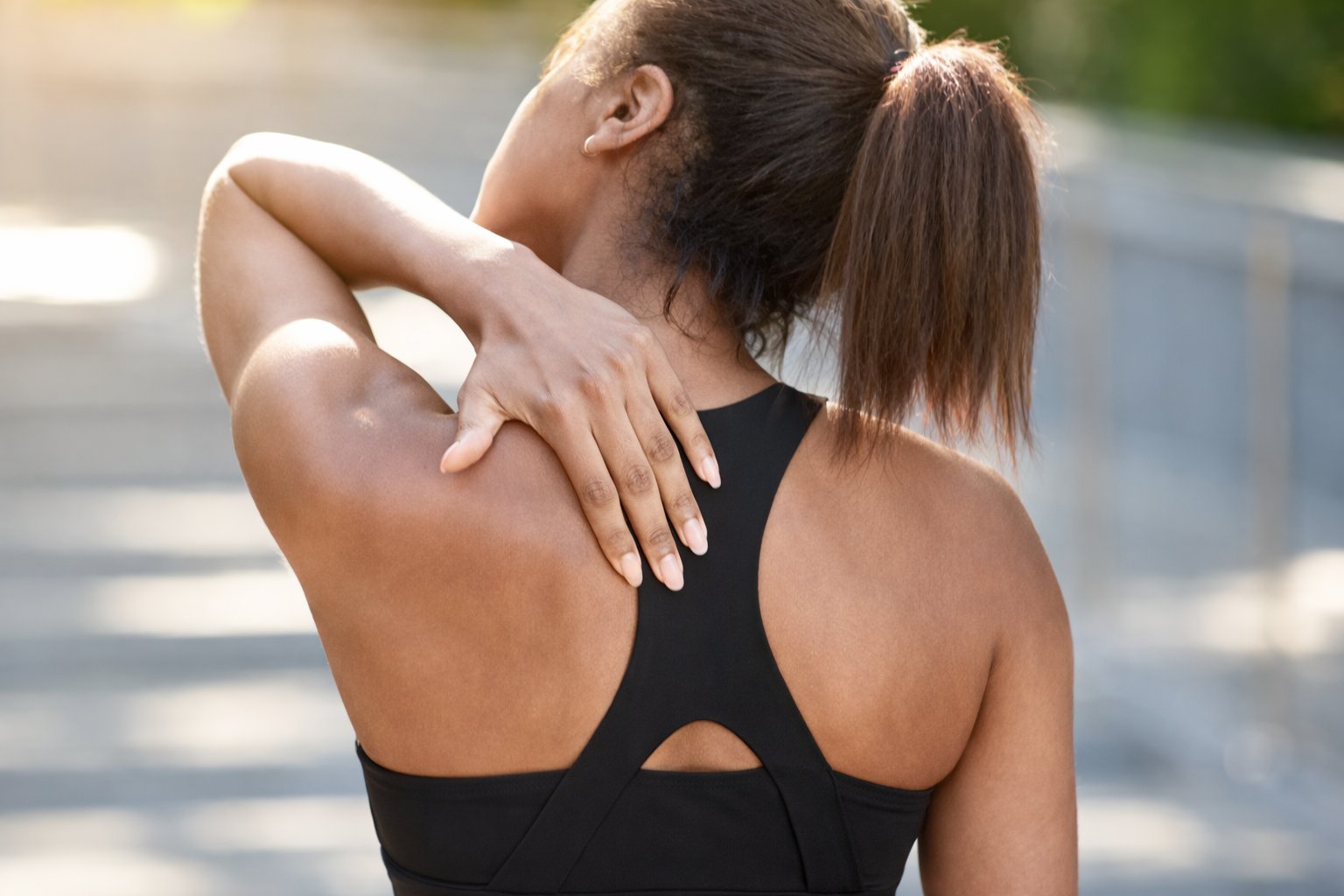
Muscle soreness often feels like a necessary penalty for making progress in fitness, but it does not have to sideline you for days. Understanding how to relieve muscle soreness effectively allows you to maintain consistency in your training routine.
Recovery is an active process that involves more than just waiting for the pain to subside. By applying targeted strategies, you can accelerate tissue repair and return to full mobility faster.
Understanding Delayed Onset Muscle Soreness (DOMS)
Muscle soreness is a natural biological response to new or intense physical activity, indicating that muscle fibers are adapting to stress. Experts refer to this specific type of ache as Delayed Onset Muscle Soreness, or DOMS, which typically peaks 24 to 72 hours after exercise.
The physiology of micro-tears
Eccentric exercise, where the muscle lengthens under load, causes microscopic damage to muscle fibers. This structural damage triggers an inflammatory response, which is responsible for the sensation of pain.
Research indicates that this process is necessary for muscle growth and adaptation. The body repairs these micro-tears to make the fibers stronger and more resilient for future activity.
Debunking the lactic acid myth
A common misconception is that lactic acid buildup causes delayed soreness. However, lactic acid actually clears from the body within 30 to 60 minutes of exercise.
Sports science consensus confirms that DOMS is an inflammatory issue, not a metabolic one. Once you understand the cause, you can apply physical therapies to manage the symptoms effectively.
Physical Therapies To Ease Discomfort
Targeted physical manipulation of muscle tissue can increase blood flow and reduce the sensation of tightness. Research suggests that mechanical pressure and specific therapeutic tools are among the most effective ways to manage post-workout stiffness.
Percussive therapy and massage
Using massage guns or visiting a professional therapist helps desensitize nerve endings in the affected area. Users often find relief through short, targeted sessions that improve local circulation.
Apply percussive therapy for 1–2 minutes per muscle group to improve blood flow without causing bruising. Excessive pressure can worsen inflammation, so moderation is key.
Foam rolling and self-myofascial release
Using a foam roller helps break up tissue adhesions and improve overall mobility. While momentarily uncomfortable, studies show this technique significantly reduces soreness perception.
Spend 30–60 seconds moving slowly over tender spots rather than rolling quickly. Breathing deeply during the process helps relax the nervous system.
Wearing compression garments
Compression clothing plays a role in preventing swelling and stabilizing muscle tissue. Evidence suggests that wearing compression gear for 12–24 hours post-exercise may reduce the severity of DOMS.
These garments aid in clearing metabolic waste by supporting venous return. They are particularly useful for leg recovery after lower-body workouts.
Topical analgesics and creams
Menthol or salicylate-based creams create a counter-irritant sensation that distracts the brain from pain signals. Applying these 2–3 times a day can help manage functional movement while soreness persists.
Epsom salt baths
Warm baths with Epsom salts allow the heat to relax tight muscles and promote circulation. Ideally, soak for at least 15–20 minutes to maximize the thermal benefits.
While data on transdermal magnesium absorption is mixed, the relaxation effect is consistently helpful. This method also aids in lowering stress hormones, facilitating better rest.
Active Recovery And Movement Strategies
While rest is essential, remaining completely sedentary can sometimes prolong stiffness by reducing circulation to repairing tissues. Incorporating gentle, low-impact movement helps flush metabolic byproducts and maintains range of motion without causing further damage.
Low-intensity steady-state cardio (LISS)
Activities like walking, easy cycling, or swimming are ideal for active recovery. Keeping the heart rate in a lower zone, such as 50–60% of max, promotes blood flow to muscles without placing heavy mechanical stress on the fibers.
Guided restorative flows
Finding the right balance between movement and rest can be difficult when managing soreness. Nord Pilates simplifies this by offering personalized workout plans that include low-impact recovery sessions tailored to your current fitness level.
The app provides effective guided workouts that focus on controlled, precise movements to lengthen tight muscles safely. This helps prevent the stiffness that often comes from total inactivity.
Recovery routine example
- Select - Choose a 'Restorative' or 'Beginner' flow in the Nord Pilates app.
- Follow - Engage with the audio and video step-by-step instructions to ensure proper form.
- Breathe - Match your breath to the movement cues to activate the parasympathetic nervous system.
Dynamic stretching routines
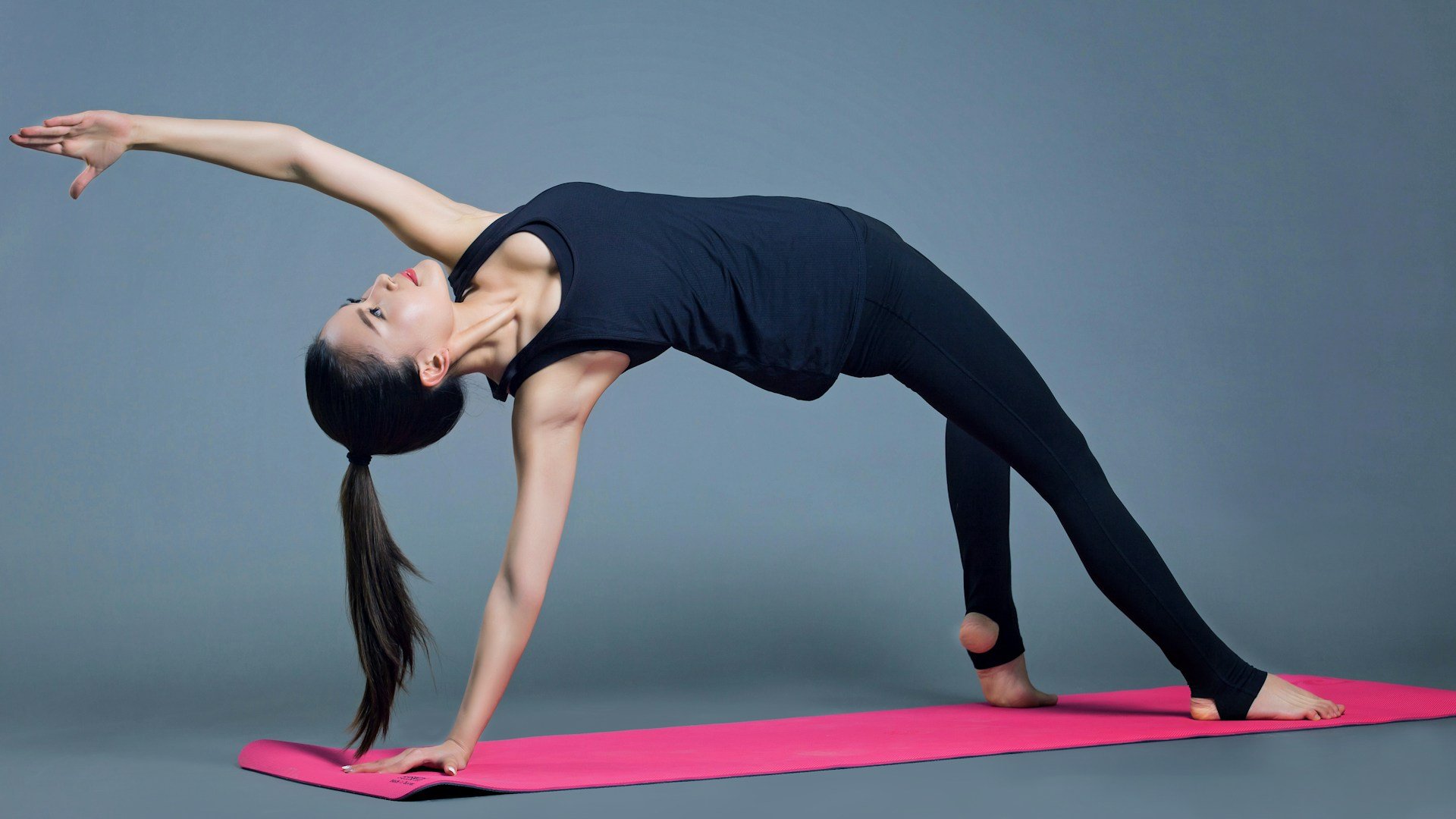
Dynamic movements, like leg swings or arm circles, gently warm up stiff areas. Performing these for 10–15 repetitions increases tissue temperature and elasticity.
Experts recommend avoiding deep, static holds on cold, sore muscles. Static stretching before the muscle is warm can trigger a protective contraction reflex.
Aquatic therapy
Moving in water for 15–30 minutes utilizes hydrostatic pressure to reduce swelling. The buoyancy reduces joint load, allowing for movement that might be too painful to perform on land.
Heat Versus Cold Therapy: What Works Best?
Temperature therapy is a staple of athletic recovery, but choosing between ice and heat depends on the timing and nature of your soreness. Understanding when to restrict blood flow and when to promote circulation is key to optimizing relief.
When to use cold therapy
Ice baths or cold packs are best used immediately after intense exercise, typically within the first few hours. Applying cold for 10–15 minutes constricts blood vessels, which can limit swelling in acute phases.
When to apply heat
Heat is typically more effective for DOMS that has already set in, usually around 48 hours post-workout. Heat dilates blood vessels, bringing oxygen and nutrients to the area to facilitate repair and relax tight tissues.
| Feature | Heat Therapy | Cold Therapy |
|---|---|---|
Best Timing | 48+ hours post-workout | Immediately after exercise |
Physiological Effect | Increases blood flow | Reduces inflammation |
Duration | 15-20 minutes | 10-15 minutes |
Primary Sensation | Relaxation | Numbing |
Contrast water therapy
Alternating between hot and cold water creates a pumping action in the circulatory system. Research suggests this technique improves circulation and reduces lactate clearance time.
A common protocol involves one minute of cold water followed by three minutes of hot water. This offers a middle ground for relief when symptoms are mixed.
Nutrition And Rest For Muscle Repair
What you consume and how you rest plays a critical role in how quickly your body rebuilds damaged muscle fibers. Focusing on hydration, anti-inflammatory nutrients, and sleep hygiene can significantly shorten recovery time.
Hydration and electrolytes
Dehydrated muscles are more prone to cramping and stiffness, making fluid replacement essential. Aim for 16–24 ounces of water for every pound of body weight lost during exercise to maintain cellular function.
Protein intake and timing
Amino acids are the necessary building blocks for rebuilding muscle tissue. Consuming 20–30 grams of protein in post-workout meals ensures the body has the resources needed for repair.
Planning these meals can be challenging when energy is low. Nord Pilates includes meal suggestions that align with your fitness goals, helping you choose nutrient-dense options without overthinking the preparation.
Tart cherry juice and antioxidants
Specific foods like tart cherry juice or turmeric have potent anti-inflammatory properties. Studies show that the high antioxidant content in tart cherries can reduce oxidative stress and muscle pain following strenuous events.
Prioritizing sleep
The majority of muscle repair occurs during deep sleep when growth hormone is released. Aiming for 7–9 hours of quality sleep maximizes the body's natural recovery processes.
Safety Signs: When Soreness Indicates Injury
Distinguishing between good pain, which signals growth, and bad pain, which signals injury, is vital for long-term health. If pain is sharp, localized, or persistent, it may require professional medical evaluation rather than home remedies.
Sharp pain vs. dull ache
Soreness is usually a diffuse, dull ache that improves with gentle movement. In contrast, injury often presents as sharp, stabbing pain that worsens with activity.
Understanding this difference prevents exacerbating a tear or strain. If movement causes sharp feedback, stop immediately and assess.
Recognizing Rhabdomyolysis
Rhabdomyolysis is a rare but serious condition where muscle tissue breaks down rapidly and releases damaging protein into the blood. Immediately seek medical attention if you experience dark tea-colored urine, extreme swelling, or muscle weakness that feels disproportionate to the workout.
The Final Take
Relieving muscle soreness requires a combination of patience, active movement, and proper nutrition. By listening to your body and applying these recovery strategies, you can minimize downtime and return to your workouts feeling stronger.
Consistency in recovery is just as important as consistency in training. Tools like Nord Pilates help maintain this balance by providing structured, low-impact routines and daily habit trackers to ensure you stay on the path to wellness.
FAQ
Should you workout while sore?
Light activity is generally beneficial, but high-intensity training should be avoided on the same muscle group until soreness subsides. Focus on active recovery methods like walking or the gentle sessions found in Nord Pilates.
How long does muscle soreness usually last?
DOMS typically appears within 24 hours, peaks around 48 to 72 hours, and resolves within 5 to 7 days. If pain persists longer than a week, consult a healthcare professional.
Can you prevent muscle soreness entirely?
It is difficult to prevent soreness entirely when starting a new program or increasing intensity. However, gradual progression and proper warm-ups can significantly reduce the severity.
Does stretching help relieve soreness?
Gentle dynamic stretching can alleviate the sensation of tightness, but static stretching has not been proven to cure DOMS. Focus on mobility flows rather than aggressive stretching.
Share this post