Is Stretching Good Before a Workout? Best Practices for 2026
By:Author:Nord Pilates Editorial
Updated on:October 20, 2026
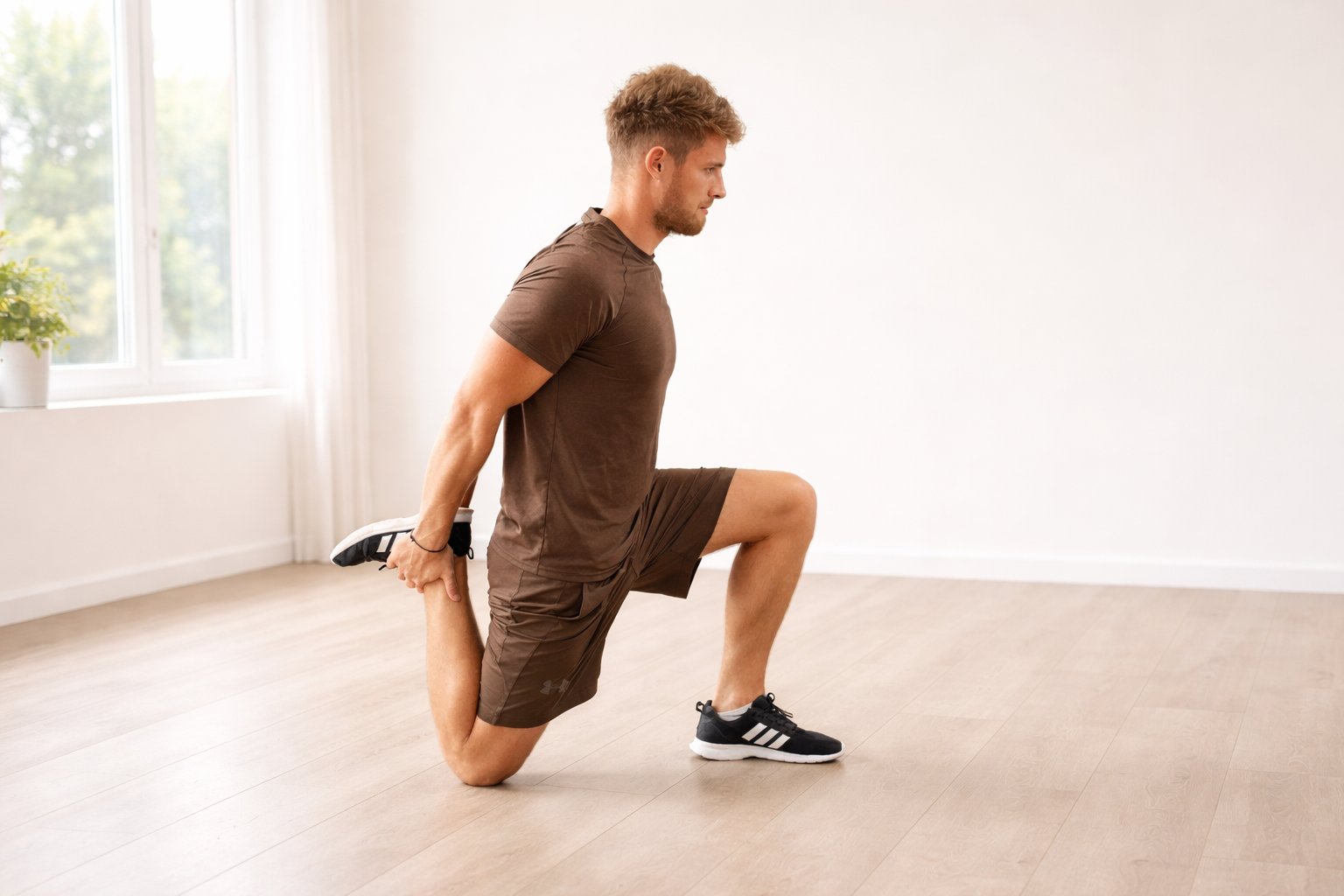
Many athletes assume that any form of flexibility work is beneficial before hitting the gym or the track. Yes, stretching is good before a workout, provided you choose dynamic movements over static holds.
The right preparation primes your nervous system and increases blood flow to working muscles. Conversely, the wrong approach can temporarily reduce power output and stability.
This guide explores the physiological impact of warm-up routines and how to structure them effectively. You will learn tailored strategies for running, lifting, and high-intensity interval training.
The Verdict: Dynamic vs. Static Stretching
Understanding the distinction between moving stretches and held poses is the key to unlocking better performance and safety. Research indicates that the method of stretching determines whether you gain power or potentially lose it.
Why dynamic stretching takes the lead
Dynamic stretching involves moving joints through their full range of motion repeatedly. Examples include leg swings, arm circles, and torso twists.
Evidence suggests that this active movement increases body temperature and improves blood flow. Experts recommend this style because it mimics the movements of the activity, effectively rehearsing motor patterns.
The specific role of static stretching
Static stretching is defined as holding a position for a set period, typically 15 to 60 seconds. While excellent for cool-downs, performing these holds before explosive activity may temporarily reduce muscle strength.
This reduction in tension can make the muscle less responsive during heavy lifting or sprinting. Therefore, static stretching is generally less effective as a standalone warm-up tool unless you require extreme ranges of motion.
Key Differences at a Glance
To help you choose the right approach, it is helpful to visualize how different techniques impact your readiness. Comparing these factors reveals why active preparation is the preferred standard for most sports.
| Criteria | Dynamic | Static |
|---|---|---|
Best Timing | Pre-Workout | Post-Workout |
Primary Goal | Activation | Relaxation |
Power Impact | Enhances Power | Decreases Power |
Blood Flow | Increases Rapidly | Minimal Change |
Ensuring proper form
Executing dynamic movements requires coordination and body awareness to avoid injury. Visual guidance is often necessary to ensure the range of motion is safe and effective.
Platforms like Nord Pilates provide detailed video instruction that helps users master control during movement. This ensures that mobility work activates the correct muscles rather than straining the joints.
Physiological Benefits of a Proper Warm-Up
Preparing the body involves more than just mental readiness; it triggers specific biological processes that support intense physical effort. Evidence shows that a structured warm-up routine creates an optimal environment for muscle contraction.
Increased muscle temperature and elasticity
Movement generates internal heat, which reduces the viscosity of synovial fluid within the joints. This allows muscles and connective tissues to lengthen more easily without strain.
Studies show that warmer muscles are significantly more pliable and less prone to tears. Temperature elevation is considered a primary physiological defense against acute injury.

Enhanced neural drive and coordination
Dynamic drills wake up the communication pathways between the brain and the muscles. This neural priming improves coordination, reaction times, and balance.
Experts find that this activation phase helps athletes feel lighter and more responsive during their main workout. It effectively switches the nervous system from a resting state to a performance state.
Improved circulation and oxygen delivery
Gradual movement dilates blood vessels, increasing the supply of oxygen and nutrients to tissues. This ramp-up prevents the shock of sudden exertion on the heart and lungs.
Tailoring Your Warm-Up to Your Activity
A sprinter and a powerlifter have different physiological needs, and their pre-workout routines should reflect those unique demands. Customizing your stretching protocol ensures you target the relevant muscle groups effectively.
Pre-run stretching routines
Runners should focus on the lower body and hips to improve stride efficiency. Specific moves like walking lunges, high knees, and butt kicks are highly effective.
The goal is to open up the hip flexors and activate the glutes. This preparation allows for better mechanics without overstretching the hamstrings, which need passive tension for energy return.
Smart mobility solutions
For those seeking structured guidance, Nord Pilates offers personalized plans that adapt to your specific fitness level. The app provides step-by-step video and audio instructions, ensuring that every movement is performed with precision.
These guided workouts focus on low-impact activation, which is ideal for priming the body without causing fatigue. By following a professionally designed sequence, you can address mobility restrictions that might otherwise hinder your main workout performance.
Preparation for strength training
Lifting weights requires mobility work for the shoulders, hips, and thoracic spine. Movements like arm circles, bodyweight squats, and thoracic rotations prepare the joints for load.
For heavy lifting, stability is just as important as flexibility. The warm-up should activate stabilizer muscles without making the joints feel loose or unstable.
Routines for high-intensity interval training (HIIT)
HIIT requires a fast-paced warm-up that elevates the heart rate quickly. Compound movements like jumping jacks, inchworms, or bear crawls are excellent choices.
Multi-planar movements are crucial because HIIT often involves rapid direction changes. Preparing the ligaments for lateral stress reduces the risk of ankle and knee injuries.
How to Structure an Effective Pre-Workout Routine
Building a consistent warm-up habit takes the guesswork out of training and ensures you are always ready to perform. A logical progression moves from general heat-building to specific movement rehearsal.
Phase 1: The general pulse raiser
The first 5 to 10 minutes should focus on raising body temperature. Low-intensity cardio like light jogging, rowing, or brisk walking works well here.
Breaking a light sweat is a good indicator that the body is ready for the next phase. This step transitions the cardiovascular system out of a resting state.
Phase 2: Guided activation sequence
Using a structured flow ensures you hit all key areas without rushing. Here is a simple activation sequence using Nord Pilates principles to prime the core and spine:
Quick activation flow
- Spinal articulation - Start with standing roll-downs to mobilize the vertebrae.
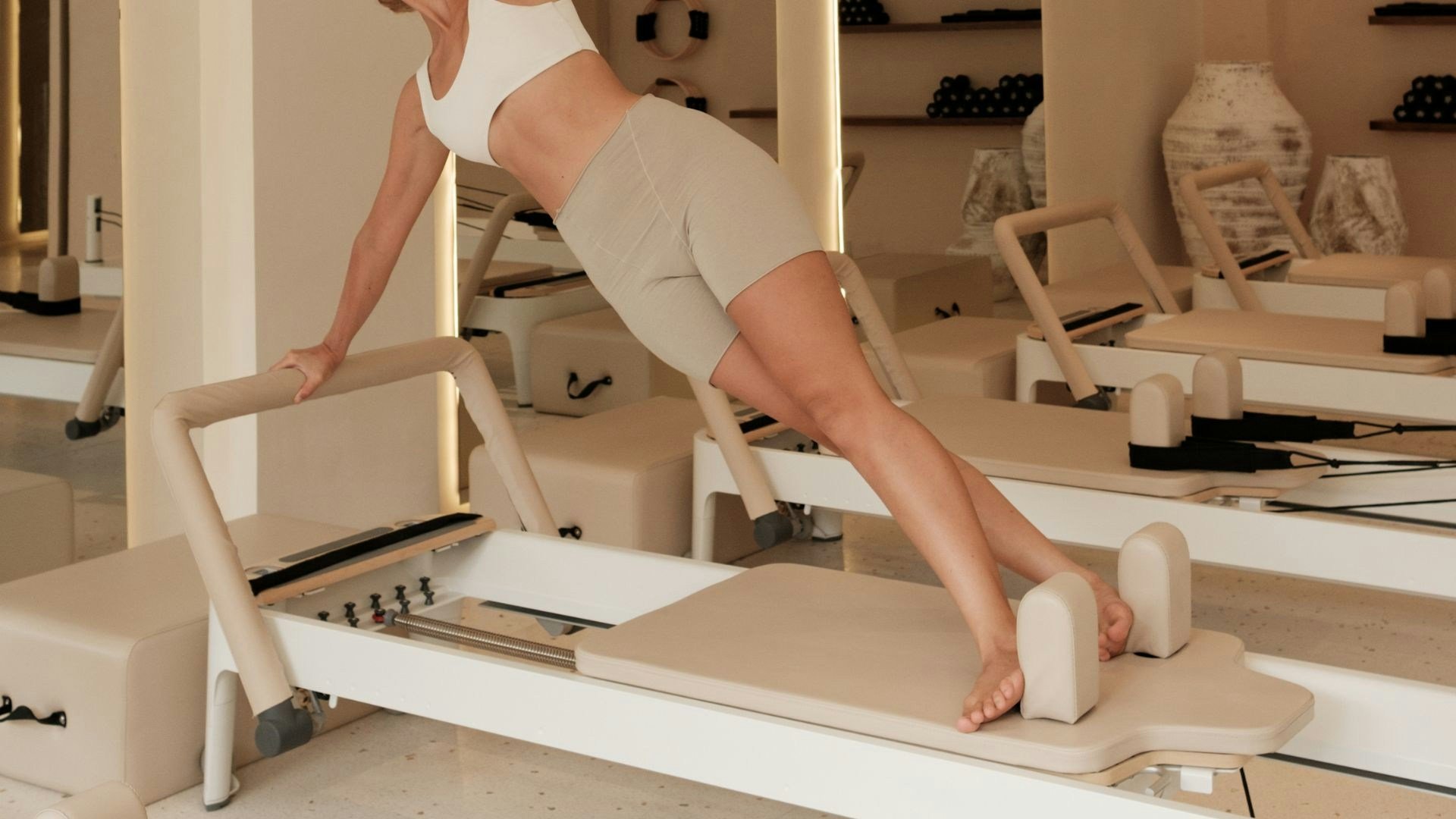
- Core engagement - Perform a plank hold to wake up the abdominals.
- Hip mobility - Transition into lunge stretches to open the hip flexors.
- Balance check - Finish with single-leg balances to activate stabilizer muscles.
Following a guided routine like this helps maintain focus and ensures proper tempo. Nord Pilates offers similar effective guided workouts that fit seamlessly into a warm-up window.
Phase 3: Specific movement rehearsal
The final step involves waking up specific muscles relevant to your session, such as the glutes or rotator cuff. Resistance bands are particularly useful for this targeted activation.
Perform potentiation exercises like vertical jumps or explosive push-ups if you plan to train for power. This primes the fast-twitch muscle fibers for peak output.
Duration and intensity guidelines
A solid warm-up typically lasts 10 to 15 minutes. It is important to avoid turning the warm-up into a workout itself.
Aim for a 3 or 4 out of 10 on the perceived exertion scale. You want to feel energized and loose, not exhausted, before the main work begins.
The Final Take
Stretching is a vital component of a safe workout, but the technique matters. Prioritizing dynamic movement prepares your body for stress, while static holds help recovery after the session.
Consistency in your warm-up routine builds a foundation for long-term joint health. Tools like Nord Pilates make it easier to stick to this habit by providing engaging, varied routines that keep your mobility work fresh and effective.
FAQ
Is it ever okay to do static stretching before a workout?
Static stretching can be appropriate for sports requiring extreme flexibility, such as gymnastics or ballet. However, for most strength and cardio activities, it is better reserved for the cool-down phase.
Does stretching before a workout prevent muscle soreness?
Pre-workout stretching primarily improves range of motion rather than preventing soreness. Delayed onset muscle soreness (DOMS) is more related to workout intensity and novelty than warm-up protocols.
Can I just start lifting light weights instead of stretching?
Ramping up with lighter weights is an excellent specific warm-up, but general mobility work is still beneficial. A combination of dynamic movement and light warm-up sets offers the best protection against injury.
How long should I wait to work out after stretching?
You should transition immediately from your dynamic warm-up into your workout. The benefits of increased body temperature and neural activation begin to fade if there is a long break between phases.
Share this post