Pilates Done Right: The Expert Guide To Form, Function, And Results
ByNord Pilates Editorial
Updated onMarch 6, 2026
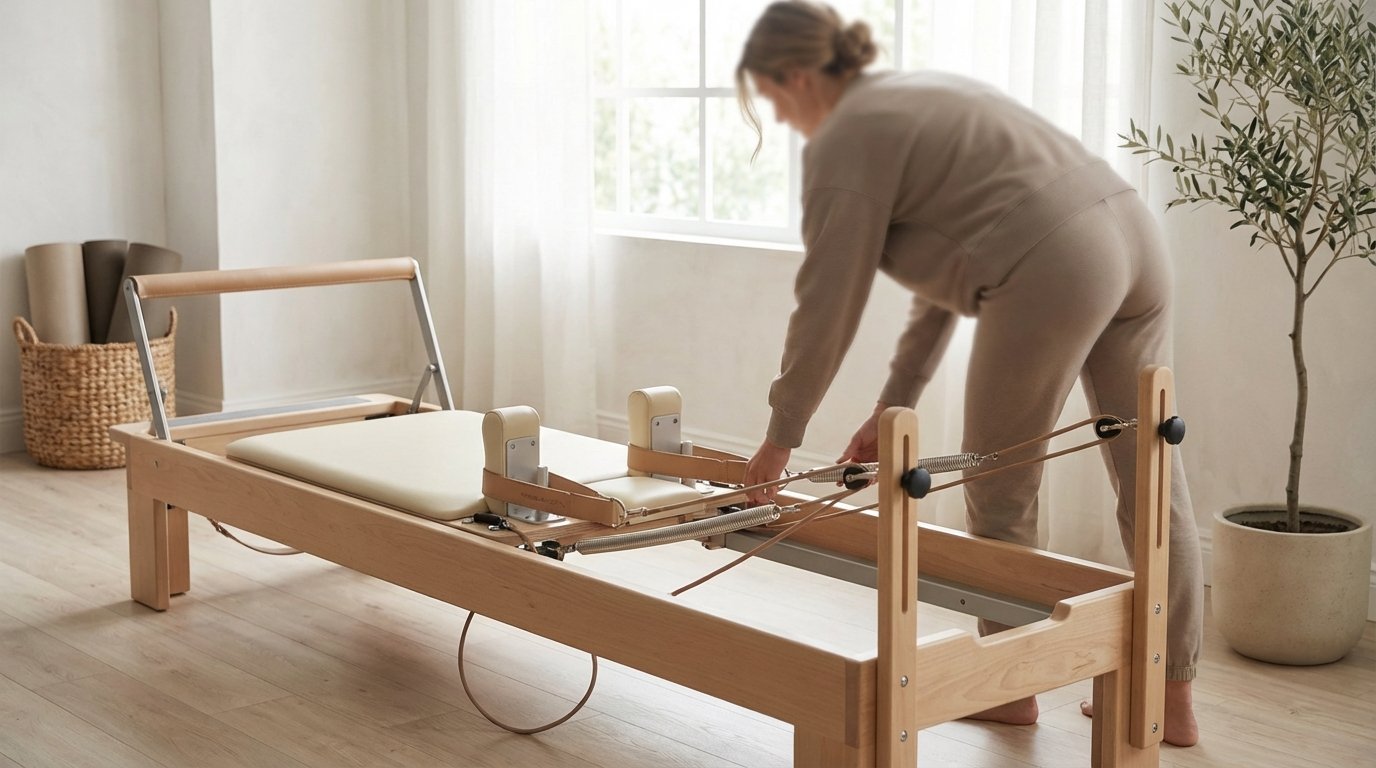
Pilates transforms your body composition in ways traditional cardio cannot match. It builds lean muscle that increases your metabolism around the clock.
However, the effectiveness depends entirely on precision. This guide covers the essential principles of form, common mistakes, and how to structure a routine for results.
Key Differences At A Glance: Intentional Movement Vs. Imitation
The distinction between an effective workout and a potential injury often lies in subtle shifts in alignment and intention. Research suggests that the benefits of Pilates are contingent on the quality of movement rather than the number of repetitions performed.
Rushing through movements engages the wrong muscle groups. To see real change, you must slow down and focus on the internal sensation of the exercise.
| Criteria | Effective Execution | Common Pitfall |
|---|---|---|
Tempo | Controlled and Slow | Rushing or Momentum |
Breathing | Coordinated Lateral | Holding Breath |
Core Engagement | Transverse Abdominis | Rectus Doming |
Neck Position | Lengthened Spine | Chin Jutting |
Understanding these distinctions requires a deeper look at the foundational principles that govern the method.
The Foundational Pillars Of Proper Pilates Technique
Joseph Pilates originally termed his method 'Contrology' to emphasize the mind's control over the muscles. Experts recommend focusing on these core principles to transform simple exercises into a comprehensive neuromuscular conditioning routine.
Centering: Activating The Powerhouse Correctly
The 'Powerhouse' refers to the integrated center of the body, including the abs, lower back, hips, and buttocks. All energy for movement should originate here.
Activating the center
- Identify the center - Draw your navel toward your spine while lifting the pelvic floor.
- Initiate movement - Send energy from this stable center outward to your limbs.
Control And Precision: Quality Over Quantity
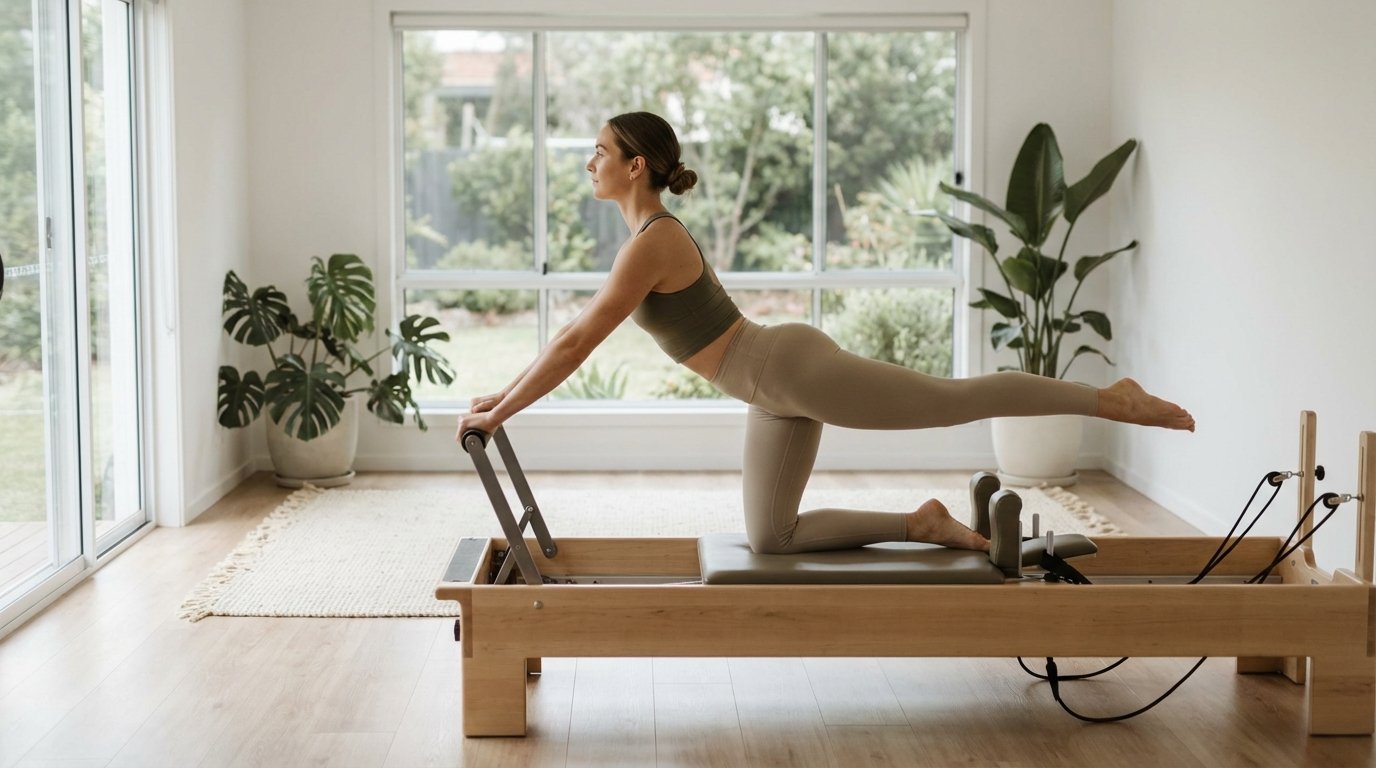
Fewer repetitions with perfect form yield better results than high reps with poor form. Eliminating momentum ensures the target muscles bear the load throughout the entire range of motion.
For those practicing at home, Nord Pilates offers personalized workout plans that adapt to your fitness level automatically. The app tracks progress across sessions, adjusting difficulty as core strength develops.
Avoid sacrificing form for the sake of completing a set count. Precision prevents injury and accelerates muscle tone development.
Breath: Fueling The Movement
Lateral thoracic breathing involves expanding the ribcage sideways and back rather than breathing into the belly. This technique allows you to maintain abdominal engagement while oxygenating the blood.
Proper exhalation facilitates deep core engagement during the hardest part of the exercise. If dizziness occurs, return to normal breathing immediately.
Once these principles are understood, the next step is applying them to your physical alignment.
Critical Alignment Cues For Safety And Efficacy
Correct skeletal alignment is the prerequisite for safe movement, particularly when loading the spine. Neglecting these biomechanical setups is a primary cause of strain in the neck and lower back during practice.
Finding And Maintaining A Neutral Pelvis
A neutral pelvis exists when the anterior superior iliac spine (ASIS) and pubic bone lie in the same horizontal plane. This position supports the natural curvature of the spine.
Use a neutral spine for closed-chain exercises like footwork or bridging. Use an imprinted spine (flexion) if your lower back lifts during leg extensions.
Self-assessment checklist
- Hip bones and pubic bone are level.
- Small natural space exists under the lower back.
- Abs are flat, not domed.
Engaging The Transverse Abdominis Without Bulging
Think of 'wrapping' your waist like a corset rather than pushing the abs out. This engages the deep stabilizing transverse abdominis muscle.
Check for 'doming' or 'coning' along the center of your abdomen. This visual cue indicates that intra-abdominal pressure is not being managed correctly.
Rib Cage Placement And Connection
A common error is 'flaring' the ribs, which disconnects the core and arches the back. Soften the front ribs down toward the hips to maintain a strong thoracic connection.
This connection should happen without restricting your breath. It keeps the upper abdominals active during overhead arm movements.
Scapular Stability: Keeping Shoulders Away From Ears
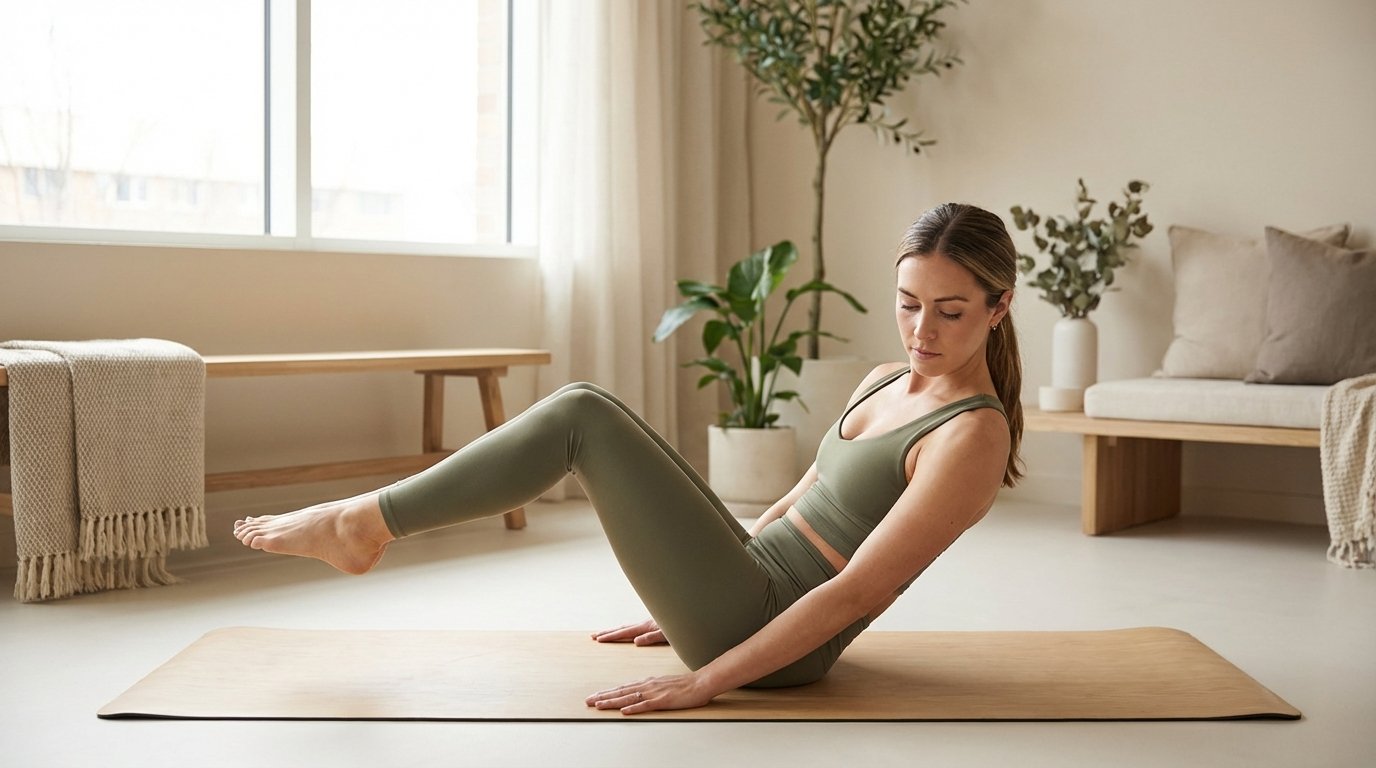
Stabilize the shoulder blades against the rib cage, often referred to as 'anchoring'. Avoid the tendency to hike shoulders toward the ears, which creates unnecessary upper trapezius tension.
Many users find audio cues helpful here, as looking at a screen can compromise neck position. Nord Pilates provides audio-guided workouts that remind you to slide your shoulder blades down, helping you maintain alignment without lifting your head.
Lower Body Tracking: Knee-to-Toe Alignment
Proper leg alignment occurs when the center of the hip, knee, and second toe form a straight line. This prevents torque on the knee joint during closed-chain exercises.
This tracking is vital during footwork on the reformer or squats on the mat. Even with good intentions, specific bad habits tend to surface repeatedly among practitioners.
Troubleshooting Common Execution Errors
Certain compensation patterns are natural for the body to adopt when fatigue sets in or when exercises are too advanced. Identifying these errors early allows for immediate correction and ensures the practice remains safe.
Mistaking Momentum For Muscle Strength
Swinging the legs or jerking the torso, especially in moves like the Roll Up, bypasses the deep stabilizers. Slow down the tempo to eliminate inertia and ensure the muscles are doing the work.
Craning The Neck During Flexion
A 'head forward' posture during abdominal curls places immense strain on the cervical spine. Nod the chin slightly and lift from the sternum to reduce this tension.
Persistent neck pain or radiating numbness suggests a need to stop and consult a professional. Always support the head with hands if the neck fatigues.
Gripping The Hip Flexors Or Glutes
Over-recruiting the quads or glutes can mask a weak core. Shake out tension in the hips to ensure the work remains in the abdominal wall.
Using a structured program helps prevent this by ensuring you don't skip the warm-up. Nord Pilates includes specific warm-up routines designed to release hip tension before the core work begins.
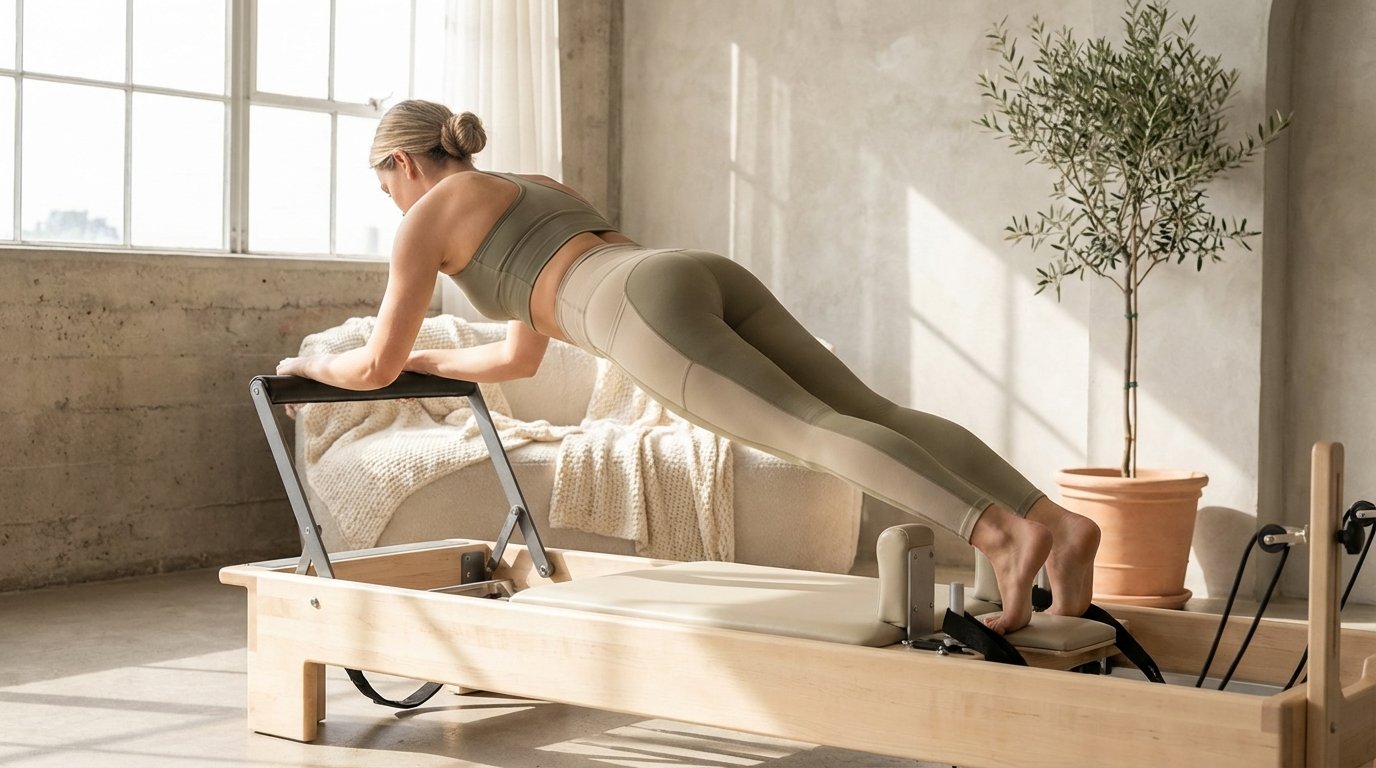
Holding Breath During Exertion
Breath-holding, or the Valsalva maneuver, causes a physiological spike in blood pressure. Reiterate the rhythm of exhaling on the effort to assist in deep core recruitment.
Correcting these errors often leads to clearer signs that the body is adapting favorably to the stimulus.
Signs Your Pilates Practice Is Effective
When Pilates is done right, the feedback from your body shifts from general fatigue to specific structural improvements. Evidence indicates that consistent, correct practice leads to measurable changes in posture and proprioception.
Improved Proprioception And Body Awareness
Practitioners should feel an increased sense of where their body is in space, known as proprioception. This leads to better coordination and fewer accidents in daily life.
Enhanced Postural Endurance
You will notice the ability to sit or stand tall for longer periods without fatigue. This is attributed to the strengthening of deep postural muscles rather than just superficial movers.
Uniform Muscle Development
The aesthetic and functional shift moves toward long, lean musculature and balanced strength. Pilates targets neglected areas to correct imbalances.
To ensure these results continue, you must structure your routine to support ongoing progress.
Optimizing Your Routine For 2026
Building a sustainable practice requires more than just attending class; it requires a strategic approach to frequency and progression. Experts recommend a consistent schedule that allows for recovery and neuromuscular adaptation.
Determining The Ideal Frequency
How often you practice depends on your goals, but 3-4 times per week is often cited as the sweet spot for physiological changes. Even 1-2 times per week provides significant maintenance benefits.
Consistency is easier when you track your streaks. Nord Pilates includes daily habit trackers specifically designed to help you visualize your consistency and maintain motivation over the long term.
Balancing Mat Work With Equipment
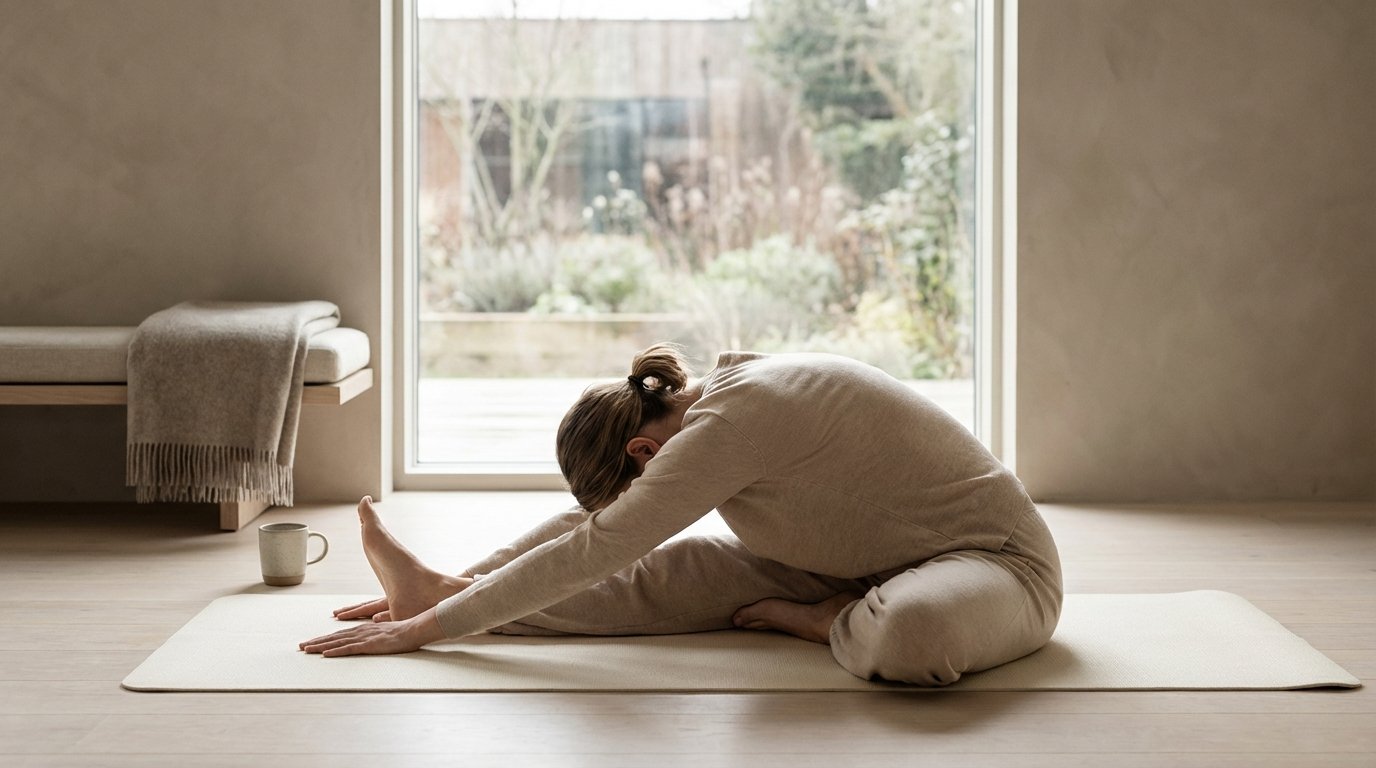
Mat Pilates uses body weight and gravity to challenge the core, while apparatus work utilizes spring resistance. A mix of both often yields the most comprehensive stability and strength.
Digital Tools For Structured Progression
Many practitioners struggle to build a cohesive routine on their own. Nord Pilates solves this by offering effective guided workouts that remove the guesswork from your daily practice.
The platform provides exclusive expert content and meal suggestions to support your physical efforts. By following a personalized Pilates plan, you ensure that every session builds logically on the last.
Quick start recovery sequence
- Select session - Open the app and choose a 'Rest & Restore' module.
- Follow audio - Listen to the cues for pelvic placement and breathing.
- Track completion - Log the session in your daily habit tracker.
Knowing When To Progress Or Regress
Doing a modification perfectly is better than doing an advanced version poorly. Master the fundamental form before adding load or complexity.
Regressing a movement is a strategic choice for strength, not a sign of failure. Common questions often arise regarding the specifics of technique and expected outcomes.
FAQ
How long does it take to see results when Pilates is done right?
Joseph Pilates famously said you will feel better in 10 sessions, look better in 20, and have a whole new body in 30. While individual results vary, most people feel postural improvements within a few weeks.
Can you lose weight if you do Pilates correctly?
Yes, Pilates can support weight loss by building muscle mass, which increases resting metabolic rate. However, significant weight loss usually requires combining Pilates with a balanced diet and other forms of activity.
Is it better to do Pilates fast or slow?
Slow is generally better, especially for beginners. A slower tempo forces you to rely on muscle strength rather than momentum and allows time to focus on alignment.
Should muscles be sore after a Pilates session?
Some soreness is normal, especially when learning new movements, but it shouldn't be debilitating. The goal is deep muscle activation, not exhaustion or pain.
Key Takeaways
Pilates done right is a discipline of precision, breath, and control. By focusing on quality over quantity and adhering to foundational alignment cues, you can reshape your body and improve functional strength.
Success lies in the details of pelvic placement, rib connection, and scapular stability. Listen to your body and adjust your practice as you grow stronger.