What To Eat After A Workout: The Ultimate Guide To Recovery Nutrition
By:Author:Nord Pilates Editorial
Updated on:October 20, 2026

Refueling your body after exercise determines how quickly you recover and how well you perform in the next session. Proper nutrition transforms physical effort into tangible results by repairing tissues and replenishing energy stores.
Ignoring this crucial window can lead to prolonged soreness and fatigue. This guide outlines exactly what to eat to maximize the benefits of your training.
Why Post-Workout Nutrition Is Critical For Results
Intense physical activity depletes your energy reserves and causes microscopic damage to muscle fibers. The food you consume afterward provides the raw materials needed to repair this damage and rebuild stronger tissues.
Restoring Glycogen Levels
During exercise, the body relies on stored glucose, known as glycogen, for fuel. This depletion is especially pronounced during endurance activities like running or cycling.
Consuming carbohydrates shortly after training helps refill these energy stores efficiently. This process ensures you have adequate muscle fuel for your next workout.
Stimulating Muscle Protein Synthesis
Resistance training triggers the breakdown of muscle protein structures. To reverse this, the body requires amino acids to initiate muscle protein synthesis.
Without adequate protein intake, the body may remain in a catabolic state, where muscle breakdown exceeds repair. Providing the right nutrients shifts the body into an anabolic state for growth.
Reducing Muscle Soreness And Inflammation
Proper nutrition plays a significant role in mitigating Delayed Onset Muscle Soreness (DOMS). Nutrients act as building blocks to heal the micro-tears caused by exertion.
Antioxidant-rich foods and proper hydration also help flush out metabolic waste products. This reduces inflammation and speeds up the return to full function.
The Three Pillars Of A Recovery Meal
A balanced recovery strategy focuses on three main nutritional pillars: rebuilding, refueling, and rehydrating. Neglecting any one of these can stall your progress and leave you feeling fatigued the next day.
Protein: The Builder
Protein provides the essential amino acids required to repair the micro-tears created during resistance training. Experts generally recommend consuming 20–40 grams of protein in your post-workout meal, depending on body weight.
This amount ensures that muscle protein synthesis is maximized. Consistent intake supports long-term tissue adaptation and strength gains.
Carbohydrates: The Refueler
Carbohydrates are not the enemy post-workout; they are essential for restoring energy. The ratio of carbs to protein is often more important than avoiding them entirely.
Insulin secretion triggered by carbohydrate intake helps drive nutrients into muscle cells efficiently. This process accelerates recovery and prepares the body for future exertion.
Fats: The Regulator
Many people fear that fat slows down digestion, but moderate amounts are perfectly acceptable. A small portion of healthy fat, around 10–15 grams, helps keep you satiated without hindering nutrient absorption.
While rapid absorption is preferred, the presence of healthy fats ensures the meal is balanced. This supports overall hormonal health and nutrient utilization.
Fluids And Electrolytes: The Hydrator
Water is arguably the most overlooked aspect of recovery. Sweating leads to the significant loss of sodium and potassium, which must be replenished.
Checking urine color is a simple way to gauge hydration status; it should be pale yellow. Platforms like Nord Pilates often include daily habit trackers to help users monitor essential routines like water intake alongside their workouts.
Macronutrient Ratios By Workout Type
The composition of your plate should shift based on the intensity and duration of your session. Endurance athletes require more aggressive carbohydrate replenishment than those focused on strength.
| Training Style | Ratio (Carb:Protein) | Primary Focus |
|---|---|---|
Cardio / Endurance | 3:1 (Carb:Protein) | Glycogen Refill |
Strength / Hypertrophy | 2:1 or 1:1 | Muscle Repair |
Light Recovery | 1:1 | Maintenance |
Weight Loss | 1:2 (Low Carb) | Satiety |
Best Foods To Eat After A Workout
Not all calories are created equal when your body is in a sensitive state of recovery. Experts recommend choosing nutrient-dense whole foods that digest easily and deliver sustained energy.
High-Quality Protein Sources
Animal proteins like grilled chicken breast and eggs are excellent due to their high bioavailability. Greek yogurt is another top choice, offering a strong protein punch with probiotics.
Salmon provides omega-3 fatty acids, which help combat inflammation while delivering protein. Cottage cheese is also beneficial for its slow-digesting casein content, ideal for evening recovery.
Smart Carbohydrate Choices
Fast-digesting carbs like bananas or berries are perfect immediately after training to spike insulin levels. For sustained energy later on, complex carbohydrates like sweet potatoes and quinoa are superior choices.
Users of fitness apps often find that planning these sources in advance ensures they hit their macro targets. Nord Pilates offers meal suggestions that simplify this selection process, helping you pair the right carbs with your pilates routine.
Plant-Based Recovery Options
Vegans can achieve excellent recovery by combining sources to form complete proteins. Rice and beans are a classic combination that delivers all essential amino acids.
Tofu, tempeh, and edamame are nutrient-dense options that naturally provide both protein and carbohydrates. Lentils are also a powerhouse food for replenishing energy stores without animal products.
Functional Foods For Inflammation
Certain foods offer recovery properties that go beyond basic macronutrients. Tart cherry juice has been shown in studies to speed up recovery timelines and reduce muscle pain.
Turmeric and ginger are also powerful anti-inflammatory agents that can be added to meals or smoothies. Incorporating these regularly may help manage soreness from intense sessions.
Sample Meal Ideas For Different Goals
Your specific fitness objectives should dictate the composition of your plate. Whether you aim to shed pounds or build mass, the fundamental ingredients remain similar, but the portions and ratios shift.
Meals For Muscle Gain
Building muscle requires a calorie surplus and ample energy to support new tissue growth. A large bowl featuring salmon, one cup of quinoa, avocado, and roasted vegetables provides the necessary density.
Ensure the portion sizes are substantial enough to cover the energy expenditure of the workout. Under-eating in this phase can stall hypertrophy and limit strength gains.
Meals For Weight Loss
Recovery within a calorie deficit requires prioritizing protein and fiber to maintain satiety. A spinach salad topped with grilled chicken and a light vinaigrette offers high nutrient density with fewer calories.
It is important not to eat back all the calories burned during the session if fat loss is the goal. Focus on volume through vegetables to feel full without excessive energy intake.

Quick Snacks For On-The-Go Recovery
Portable options are essential for busy schedules where a full meal isn't immediately possible. Hard-boiled eggs or a piece of fruit with a handful of almonds bridge the gap effectively.
A high-quality protein bar can also serve as a convenient backup. These snacks prevent extreme hunger, which often leads to overeating later in the day.
Tools For Consistent Nutrition
Maintaining a consistent nutrition plan is often harder than the workout itself. Nord Pilates addresses this by integrating meal suggestions directly alongside your personalized pilates plan.
The app provides daily habit trackers that allow you to monitor your consistency without the stress of complex calorie counting. This holistic approach ensures that your recovery nutrition actually supports your fitness goals rather than working against them.
How to track habits with Nord Pilates
- Select goal - Choose weight loss or strength maintenance in the app settings.
- Review suggestions - Check the daily meal recommendations aligned with your workout.
- Log intake - Mark your hydration and nutrition goals as complete in the tracker.
- Monitor progress - Review weekly consistency trends to adjust your routine.
Timing Your Nutrition: Fact vs. Fiction
The concept of a narrow 'anabolic window' has evolved with recent research, offering more flexibility than previously thought. While immediate consumption is beneficial, the urgency largely depends on when you last ate and the intensity of your session.
Debunking The '30-Minute Window' Myth
The idea that gains are lost if you do not eat within 30 minutes is largely exaggerated. Research indicates the anabolic window is likely several hours wide for most recreational athletes.
Eating shortly after a workout is a good habit, but stressing over exact minutes is unnecessary. Quality and total daily intake are far more impactful factors.
When Immediate Nutrition Matters Most
Speed becomes crucial if you are training in a fasted state or performing two workouts in one day. In these scenarios, glycogen stores are critically low and require rapid replenishment.
If you experience dizziness or shaking after a fasted workout, consume a fast-acting carb source immediately. Juice or fruit can stabilize blood sugar levels quickly.
The Role Of Pre-Workout Nutrition
A solid pre-workout meal can reduce the need for immediate post-workout food. If amino acids and carbs are still in the bloodstream during the workout, the urgency to eat afterward decreases.
This allows for a more relaxed approach to post-training meals. Nord Pilates emphasizes this balance by offering comprehensive fitness challenges that encourage sustainable routines rather than rigid timing rules.
Foods And Habits To Avoid After Exercise
Certain foods can impede digestion or counteract the benefits of your hard work. Steering clear of heavy, processed options ensures your body focuses on repair rather than struggling with digestion.
High-Sugar And Processed Foods
Relying on candy or sugary sodas for energy spikes is a common mistake. While they provide carbohydrates, they often lead to a rapid energy crash shortly after consumption.
These foods lack the micronutrients necessary for cellular repair. Natural sugars from whole fruits are a far superior option for glycogen replenishment.
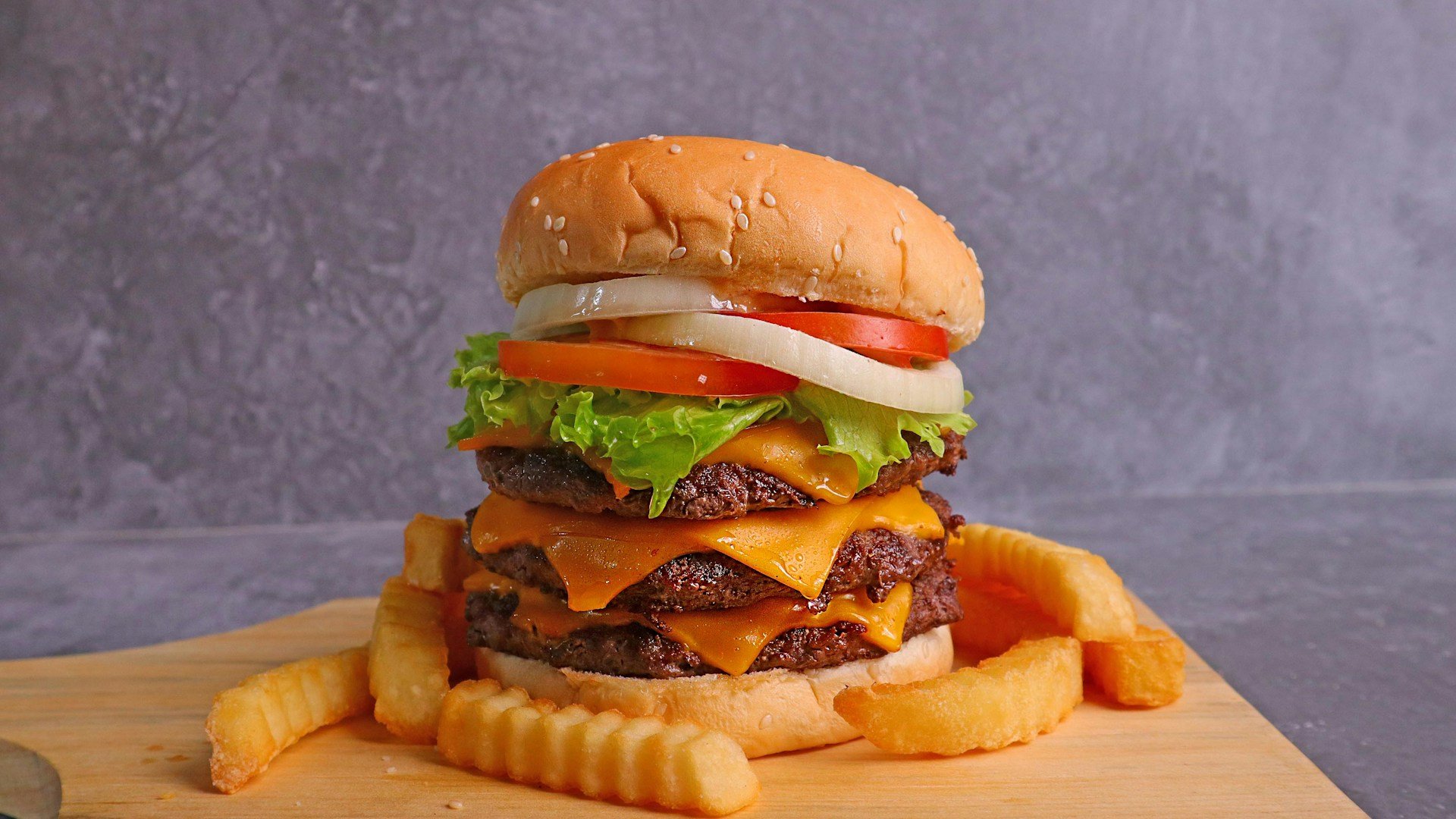
Heavy, Greasy Fast Food
High-fat, deep-fried foods digest very slowly, which can delay the delivery of protein and carbs to the muscles. The body diverts significant energy to digestion rather than recovery processes.
These meals can also leave you feeling sluggish and bloated. Opting for baked or grilled options ensures faster nutrient absorption.
Alcohol Consumption
Alcohol impairs muscle repair mechanisms and dehydrates the body. Evidence suggests that consuming alcohol immediately post-workout can inhibit muscle protein synthesis.
It is best to keep alcohol intake to a minimum after training. Prioritize rehydration with water or electrolytes before considering any alcoholic beverages.
The Final Take
Post-workout nutrition is a fundamental component of any fitness journey, bridging the gap between effort and results. Prioritizing protein, healthy carbs, and hydration allows your body to repair efficiently and prepare for the next challenge.
Finding a routine that fits your lifestyle is key to long-term consistency. Tools like Nord Pilates can simplify this process by providing personalized workout plans and habit trackers that keep your recovery on point.
FAQ
What if I don't feel hungry after a workout?
Intense exercise can sometimes suppress appetite temporarily. In these cases, liquid nutrition like a smoothie or chocolate milk can be easier to consume than solid food while still providing necessary nutrients.
Is a protein shake better than real food?
Protein shakes are convenient and absorb quickly, but whole foods provide a broader range of micronutrients. Shakes are an excellent tool for convenience, but they should complement a diet rich in whole food sources.
Can I eat just fruit after a workout?
Fruit provides excellent carbohydrates for energy but lacks the protein needed for muscle repair. Pairing fruit with a protein source like Greek yogurt or a hard-boiled egg creates a more complete recovery snack.
Do I need to eat after a late-night workout?
Yes, recovery is still important even late at night. Opt for a small, slow-digesting snack like casein protein or cottage cheese to support muscle repair during sleep without disrupting digestion.
Share this post