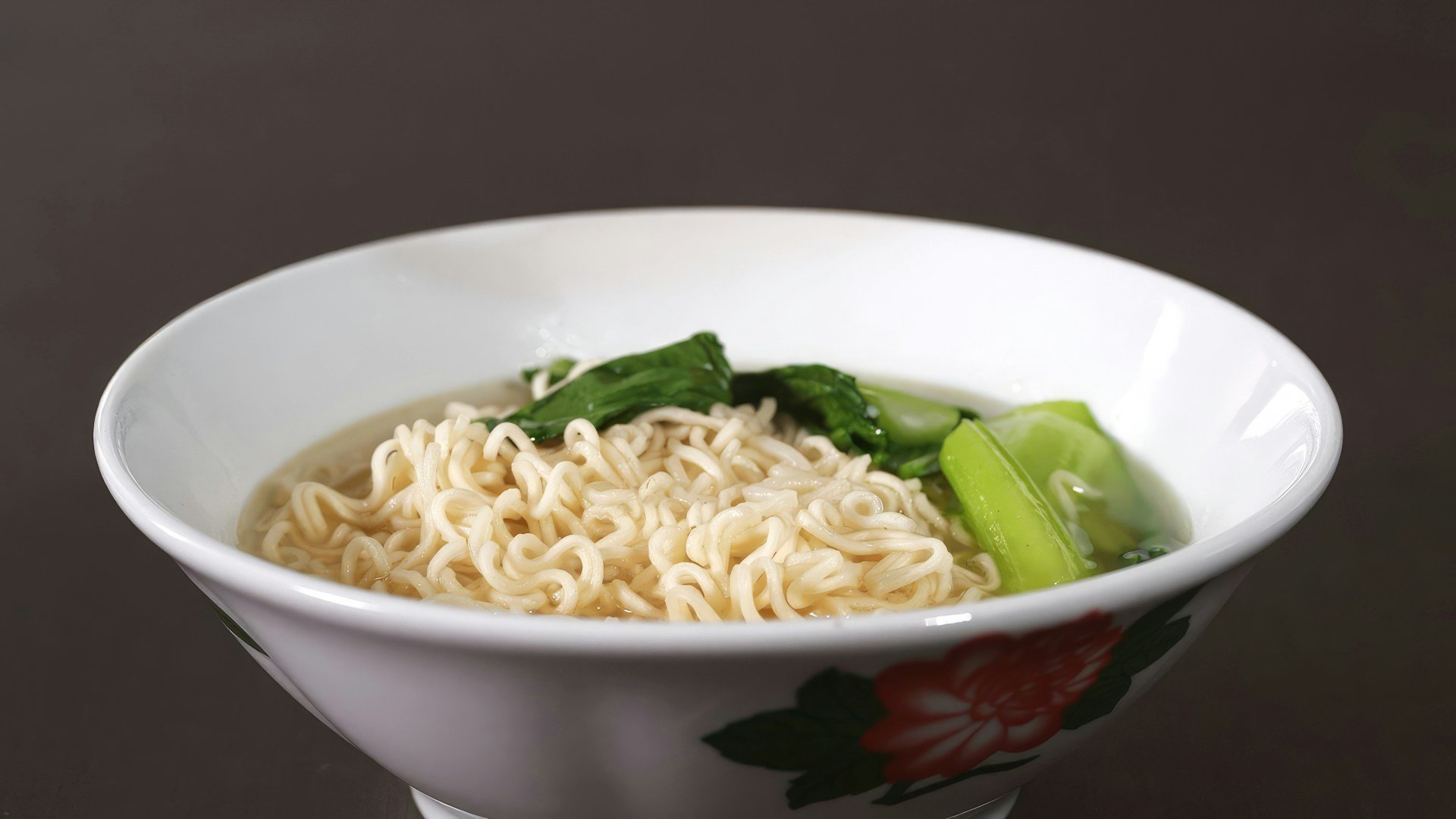
What To Eat Before A Workout For Optimal Energy And Performance
ByNord Pilates Editorial
Updated onMarch 5, 2026

Your body requires the right fuel to perform at its peak during exercise. Think of food as the energy source that powers every movement, lift, and stride you take.
Without adequate nutrition, you risk hitting a wall of fatigue before your session is complete. This guide breaks down exactly what to eat and when to eat it for maximum output.
The Role Of Macronutrients In Pre-Workout Nutrition
Understanding how your body utilizes different nutrients is the first step toward building an effective fueling strategy. Research consistently highlights the specific functions of carbohydrates, proteins, and fats during physical exertion.
Carbohydrates as the primary fuel source
Muscles rely on glucose stored as glycogen to power through high-intensity movements. When you consume carbohydrates, your body breaks them down to keep your energy tank full.
Low glycogen levels often result in decreased stamina and early exhaustion. A simple bowl of oatmeal provides the steady release of glucose needed for sustained effort.
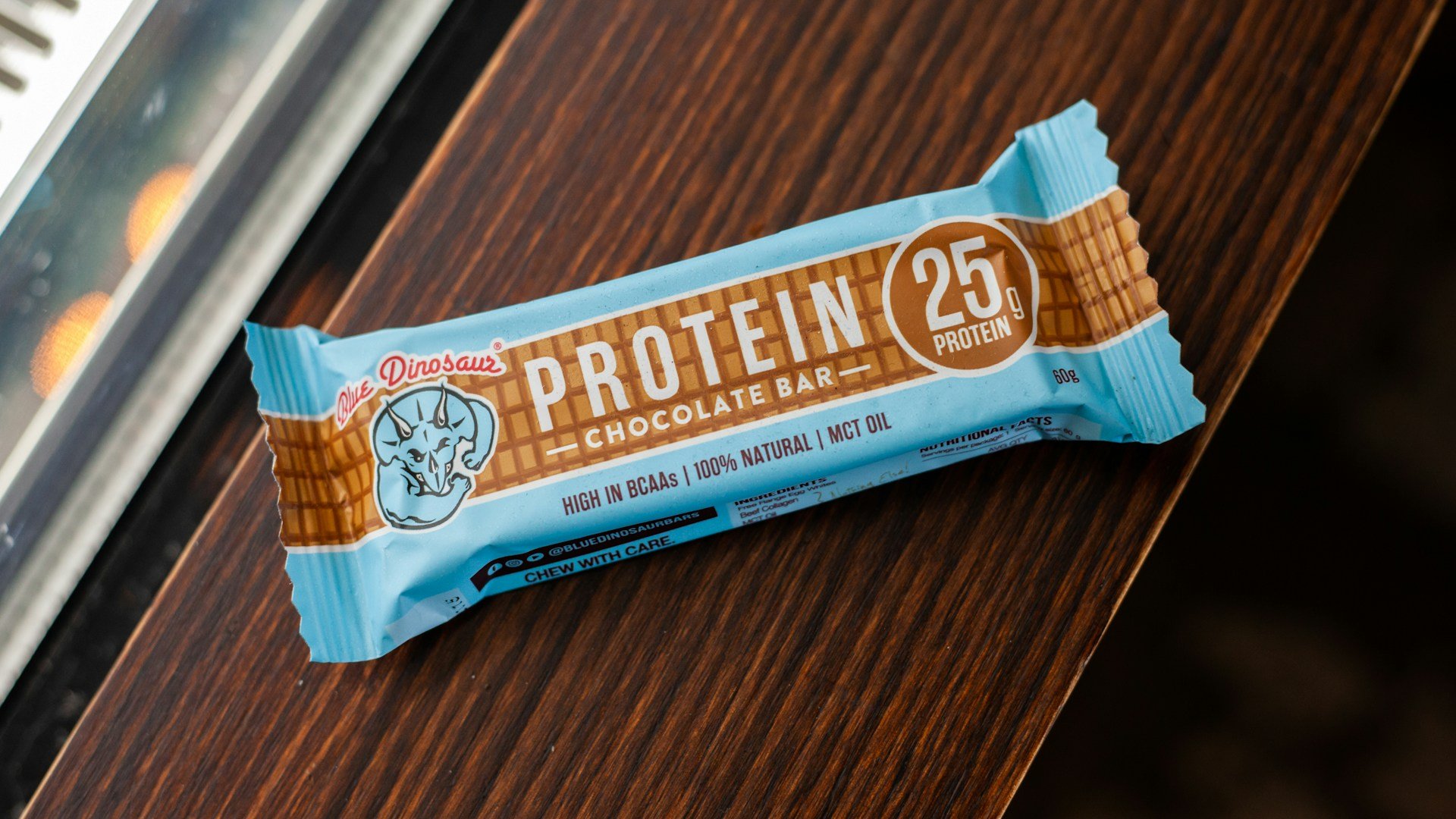
Protein for muscle protection and recovery
Strength training causes microscopic tears in muscle fibers, which is a natural part of growth. Consuming protein before you train primes your body to start repairing this tissue immediately.
Experts often suggest aiming for 20–30g of protein in your pre-workout window. This helps prevent muscle breakdown, known as catabolism, during your session.
Fat as a secondary energy source
Fat provides a concentrated source of fuel that is particularly useful for longer, lower-intensity activities. However, it takes significantly longer to digest than carbs or protein.
Eating a high-fat meal right before intense exercise can draw blood flow to the stomach and cause sluggishness. It is best to keep fat intake moderate if you plan to train within an hour.
Timing Your Pre-Workout Meal: A Scheduled Approach
The timing of your nutrition dictates the size and composition of your meal. Experts recommend adjusting portion sizes and nutrient density based on how much time remains before your session begins.
3 to 4 hours before exercise
This window allows for a complete meal containing complex carbohydrates, lean protein, and healthy fats. Your body has ample time to digest these nutrients and top off glycogen stores.
Balanced meal ideas
- Grilled chicken - serve with brown rice and roasted vegetables
- Lean turkey wrap - use whole grain tortilla and add avocado
- Quinoa bowl - mix with black beans and tofu
2 hours before exercise
As the workout approaches, reduce your portion size to a smaller meal or substantial snack. The goal is to provide fuel without overburdening your digestive system.
Focus on complex carbs and moderate protein while keeping fiber low. A range of 300–400 calories is generally sufficient for most active individuals.
30 to 60 minutes before exercise
At this stage, your priority shifts to easily digestible simple carbohydrates. Heavy foods will simply sit in your stomach and may cause cramping once you start moving.
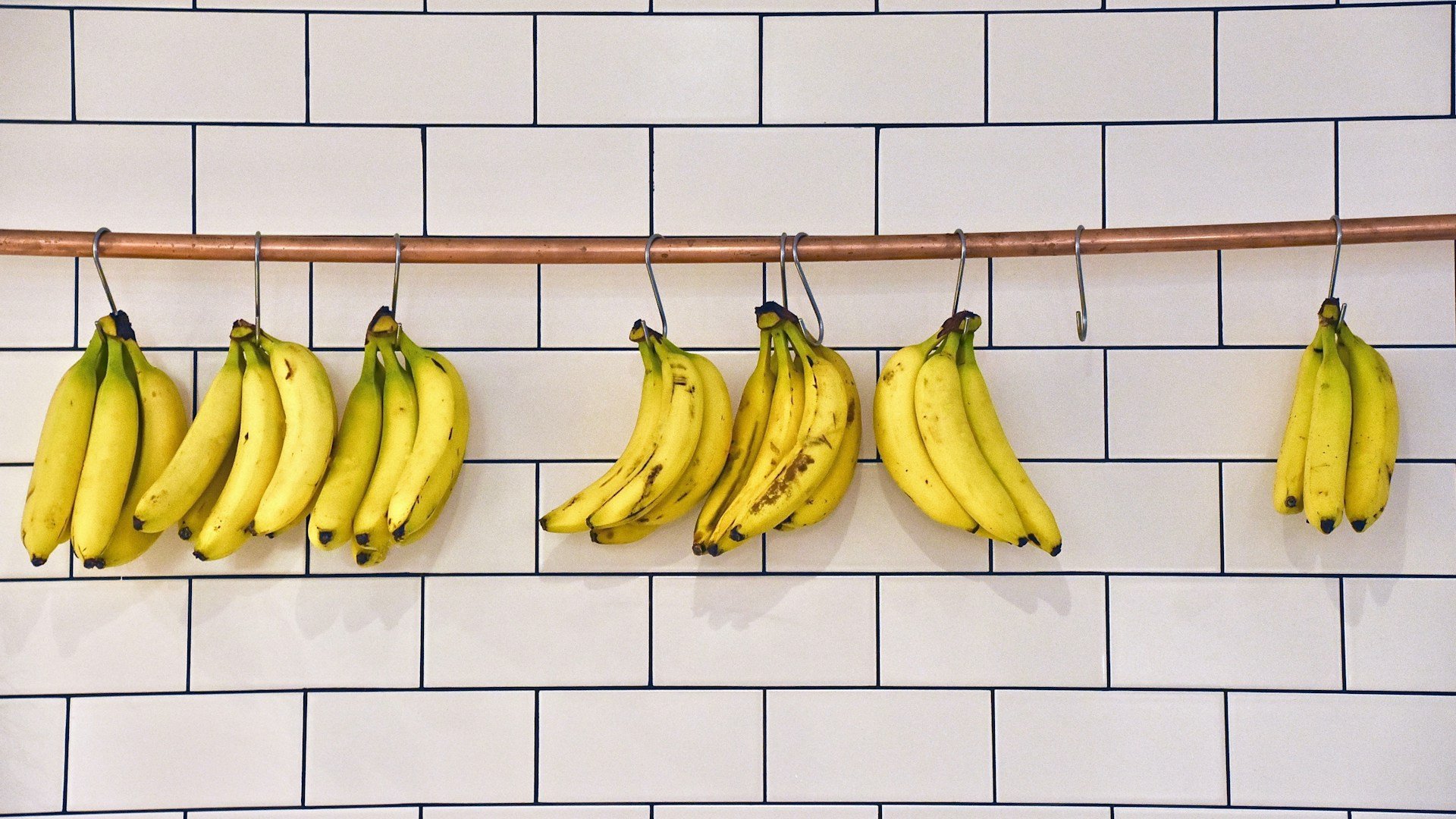
Blood flow needs to be available for your muscles rather than digestion. Quick options like applesauce or a ripe banana are ideal choices here.
Early morning training considerations
Training immediately after waking presents a unique challenge regarding fuel. While some prefer fasted cardio, a small carbohydrate source can significantly improve performance intensity.
Many home practitioners use apps like Nord Pilates to streamline their morning routine efficiently. Because the audio and video workouts are guided step-by-step, you can wake up, consume a quick piece of fruit, and start moving without wasting time planning a session.
If you ever feel dizzy or lightheaded during a fasted session, pause immediately and hydrate. Listen to your body to find the balance that works for your energy levels.
Tailoring Nutrition To Your Specific Workout Type
Not all workouts place the same metabolic demands on the body. Customizing your intake based on whether you are lifting heavy weights or running long distances can significantly enhance your output.
Fueling for strength training and bodybuilding
Lifting weights requires anaerobic bursts of energy and structural support for muscle tissue. A ratio of 1:1 carbohydrates to protein helps sustain power output while priming recovery.
| Criteria | Strength Training | Endurance Cardio |
|---|---|---|
Primary Fuel | Carbs + Protein | High Carbs |
Timing Focus | Pre & Post | Pre & Intra |
Key Goal | Prevent Breakdown | Sustain Glycogen |
Fueling for endurance cardio
Runners and cyclists deplete glycogen stores rapidly over long distances. A high-carbohydrate approach with low fiber minimizes digestive risks while maximizing available energy.
Digital planning tools
Managing nutrition alongside a training schedule can be complex for beginners. Nord Pilates simplifies this process by offering personalized plans that include meal suggestions tailored to your goals.
The app provides a structured approach where fitness challenges and daily habit trackers work in tandem. This ensures you are not just exercising, but also fueling correctly for the specific demands of each session.
Users often find that following a guided plan removes the mental load of decision-making. The meal suggestions help align your kitchen habits with your mat routine.
Quick start sequence
Here is how to seamlessly integrate the app into your pre-workout routine:
Session preparation
- Check schedule - Open Nord Pilates to view today's workout intensity
- Fuel up - Choose a snack based on the app's meal suggestions
- Hydrate - Drink water while reviewing the session overview
- Begin - Start the audio-guided workout once you feel ready
Fueling for High-Intensity Interval Training (HIIT)
HIIT workouts are explosive and drain energy reserves quickly. Fast-acting carbohydrates consumed 30–60 minutes prior are essential to maintain intensity throughout the intervals.
Fueling for yoga and low-intensity flexibility work
These activities typically burn fewer calories and rely less on immediate glucose spikes. Light, hydration-focused snacks are best to avoid feeling heavy or bloated during twists and bends.
Dietitian-Approved Examples Of Pre-Workout Snacks
Choosing the right combination of foods can be simple with a few go-to recipes. These examples provide the necessary balance of macronutrients for different time windows.
Oatmeal with fruit and protein powder
This is a classic choice for the 2–3 hour window before training. The oats release energy slowly, while the fruit provides an immediate kick to get you started.
Simply cook the oats with water or milk and stir in a scoop of protein powder. Top with berries for added antioxidants.
Greek yogurt with berries
Greek yogurt is an excellent option for the 1–2 hour window due to its digestibility. It offers high-quality protein to support muscles without sitting heavily in the stomach.
Choose plain yogurt to control sugar intake and add your own fresh fruit. Tracking these consistent healthy choices in the Nord Pilates daily habit tracker can help solidify your routine.
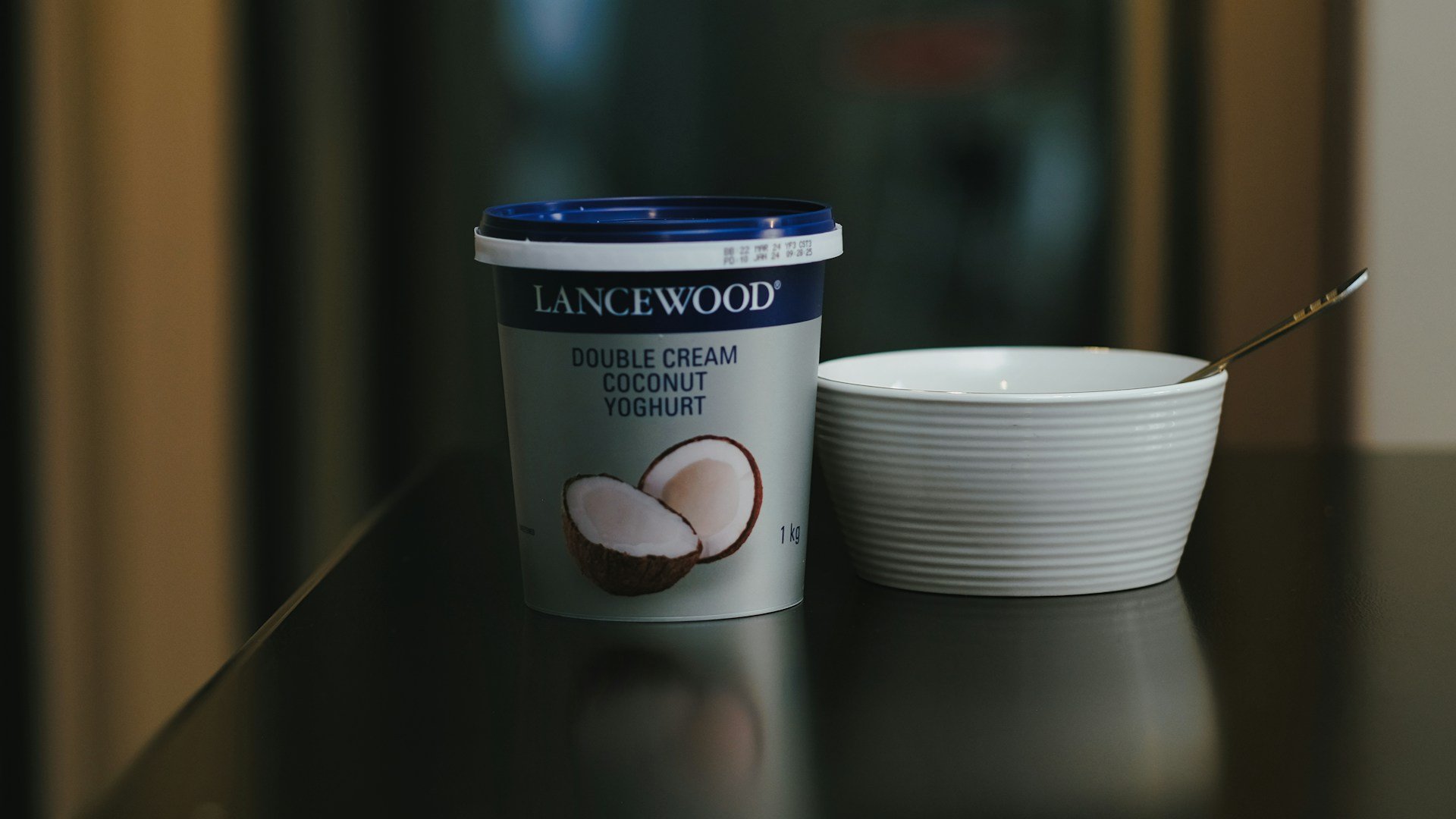
Banana with a small amount of peanut butter
For the 30–60 minute window, this combination is hard to beat. Bananas are rich in potassium and easy to digest, preventing cramps.
Add just a teaspoon of peanut butter to stave off hunger without slowing digestion. Keep the fat portion small to avoid sluggishness.
Whole grain toast with hard-boiled eggs
This savory option works well for those who prefer solid food about 2 hours prior. It provides a balance of slow-digesting carbs and high-quality protein.
Hydration And Supplementation Strategies
Even the perfect meal plan can fail if the body is dehydrated. Adequate fluid intake and targeted supplements can further optimize 2026 training standards.
Water intake guidelines before exercise
Experts recommend consuming ample fluids in the 2–4 hours leading up to your session. Even mild dehydration can significantly reduce strength and mental focus.
A good way to gauge hydration is by checking urine color, which should be pale yellow. Drink water consistently rather than chugging it all at once.
The role of caffeine in performance
Caffeine is a proven ergogenic aid that can increase focus and reduce perceived effort. Taking it 30–60 minutes pre-workout helps peak blood concentration during your session.
Monitor individual tolerance carefully to avoid jitteriness or sleep disruption.
Electrolytes and liquid carbohydrates
Sports drinks become practical tools for sessions lasting longer than 60 minutes. Liquid calories are absorbed rapidly, providing fuel when solid food is not an option.
Foods To Avoid Before Training
Certain foods can hinder performance by causing lethargy or gastrointestinal distress. Avoiding these common pitfalls ensures your energy goes toward your muscles rather than digestion.
High-fiber vegetables and legumes
While healthy, high-fiber foods like broccoli, beans, and lentils can cause gas and bloating during exercise. It is better to save these for post-workout meals.
Heavy, greasy, or fried foods
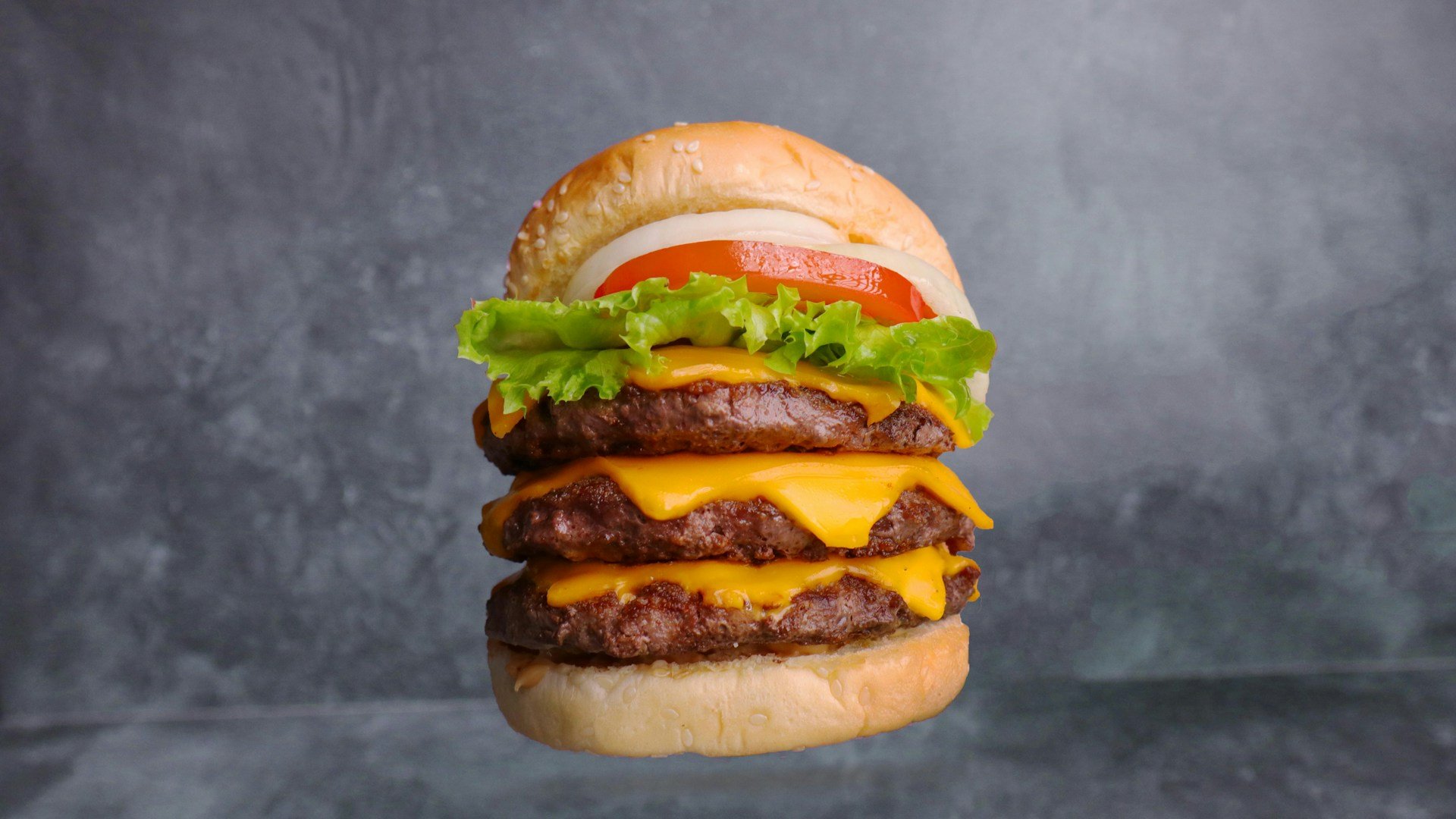
Fats take the longest to digest of all macronutrients. Consuming burgers or fries pre-workout often leads to a heavy stomach and feeling slow.
Carbonated beverages
Sparkling water or sodas should be avoided immediately before training. The carbonation can cause stomach distension and discomfort during movement.
FAQ
Is it better to work out on an empty stomach?
This depends on your goals and the intensity of the workout. For high-intensity performance, having some fuel is generally superior to fasting.
How long should you wait to work out after eating?
Wait 3–4 hours after a large meal and 1–2 hours after a small meal. Snacks can be eaten 30–60 minutes before training.
What happens if you don't eat before a workout?
You may experience fatigue, dizziness, or reduced performance. Your body may also break down muscle tissue for energy if glycogen stores are depleted.
Is a protein shake good before a workout?
Yes, a protein shake can be a convenient option. It digests relatively quickly and provides amino acids to support muscles during the session.
Final Thoughts
Fueling your body correctly makes a noticeable difference in how you feel and perform. By timing your meals and choosing the right macronutrients, you can train harder and recover faster.
Consistency in both nutrition and movement is the key to long-term results. Tools like Nord Pilates support this journey by providing personalized plans that adapt to your lifestyle.