Can Pilates Grow Your Glutes? A 2026 Guide To Results
By:Author:Nord Pilates Editorial
Updated on:October 20, 2026
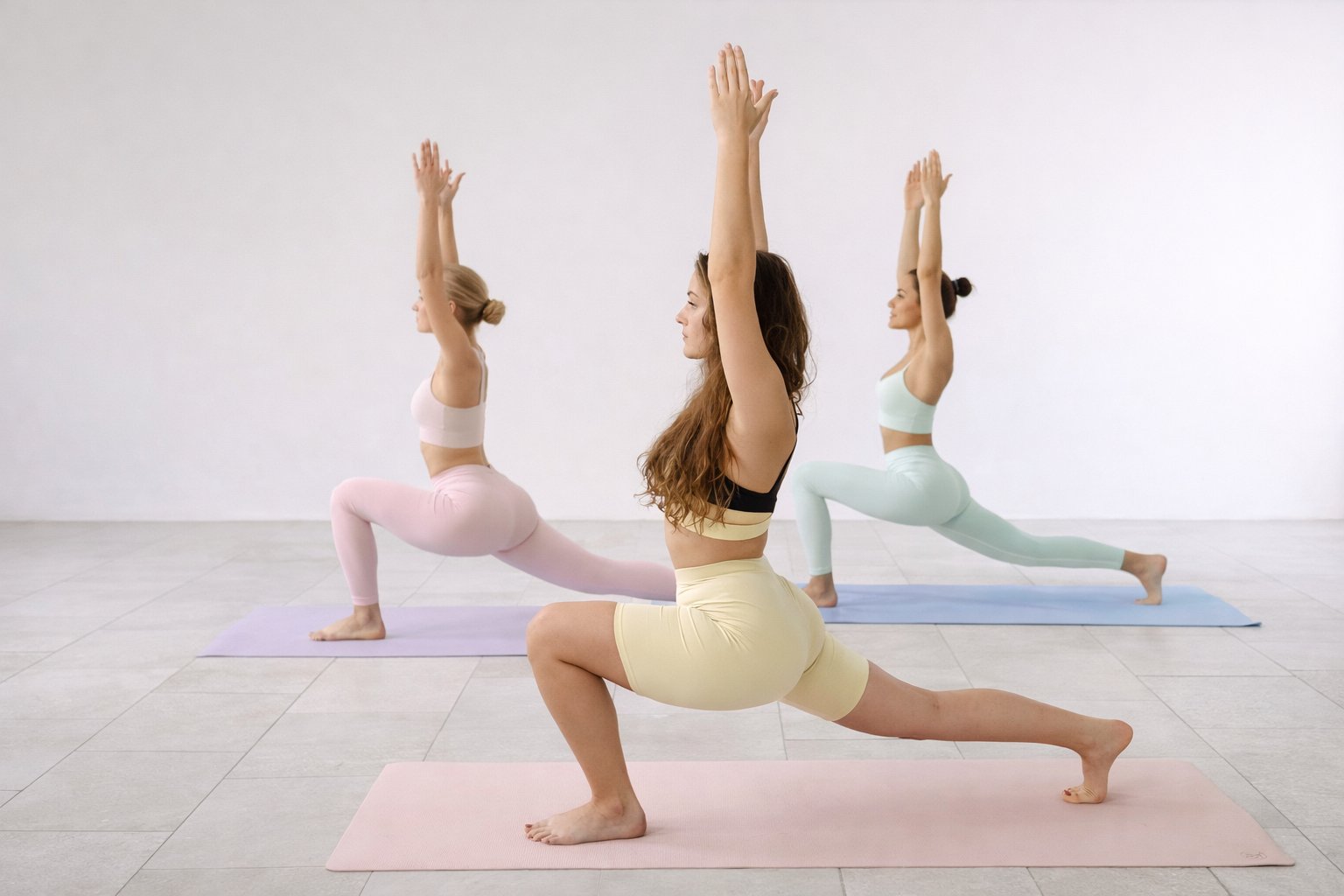
Pilates is often misunderstood as merely a stretching routine, but it possesses the capacity to significantly reshape muscle tissue. Can Pilates grow your glutes?
Yes, it absolutely can when you apply the correct principles of progressive overload and targeted activation. While it may not produce the same bulk as heavy weightlifting, it builds a lifted, sculpted posterior chain through unique physiological mechanisms.
This guide explores the science behind glute growth in Pilates and provides a roadmap for achieving visible results. You will learn how to manipulate tension, select high-yield exercises, and avoid common pitfalls that stall progress.
The Mechanics of Glute Growth in Pilates
Understanding how Pilates stimulates muscle fibers is essential for transforming a workout from simple maintenance to active building. Research indicates that hypertrophy in Pilates is achieved through distinct physiological pathways compared to traditional gym training.
Mechanical Tension vs. Metabolic Stress
Muscle growth relies on two primary drivers: mechanical tension and metabolic stress. Heavy lifting prioritizes tension, but Pilates excels at creating high levels of metabolic stress through high repetitions and continuous movement.
This 'burn' signals the body to repair and strengthen the muscle fibers to endure future bouts of fatigue. By keeping the muscle under constant tension without rest, Pilates triggers growth factors effectively.
Targeting the Glute Max, Medius, and Minimus
A rounder shape requires development of the entire gluteal complex, not just the large gluteus maximus. Pilates is exceptionally effective at isolating the gluteus medius and minimus, which are often neglected in standard squats.
The multi-planar nature of Pilates movements hits these side muscles from various angles. This contributes to a fuller, more lifted appearance that enhances the overall silhouette.
The Power of Eccentric Contraction
Eccentric contraction occurs when a muscle lengthens under load, such as resisting the carriage return on a Reformer. Evidence suggests that this phase of movement is crucial for tissue remodeling and strength gains.
Pilates emphasizes controlled lengthening, which creates micro-tears in the muscle fibers necessary for growth. This control ensures that every inch of the movement contributes to hypertrophy.
Neuromuscular Connection and Activation
The 'mind-muscle connection' is a cornerstone of effective Pilates practice. Intense mental focus allows you to isolate the glutes without compensating with the lower back or quads.
Superior activation often yields better results for individuals who struggle to 'feel' their glutes during heavy lifts. This precision ensures the target muscle receives the full stimulus.
Pilates vs. Weightlifting: Key Differences at a Glance
Both modalities can strengthen the posterior chain, but they produce different aesthetic and functional results. This comparison helps clarify which approach aligns best with your specific goals.
| Feature | Pilates | Weightlifting |
|---|---|---|
Primary Mechanism | Metabolic Stress | Mechanical Load |
Aesthetic Outcome | Lifted & Sculpted | Projected & Bulky |
Frequency Required | 3-5x/week | 2-3x/week |
Injury Risk | Low Impact | Moderate/High |
Understanding the 'Pilates Look'
Pilates training typically results in a 'lifted and sculpted' aesthetic rather than the sheer mass seen in bodybuilding. The focus is often on tightening the waist and thighs while simultaneously lifting the glutes.
Achieving this specific balance requires a routine that blends volume with precision. Nord Pilates simplifies this process by curating personalized plans designed to target the glutes without adding unwanted bulk to the legs.
The app's guided workflows ensure you maintain the correct intensity for sculpting. This helps practitioners achieve that specific 'Pilates look' through consistent, targeted effort.
Why You Might Combine Both
Many athletes find success with a hybrid approach that utilizes the strengths of both disciplines. Heavy lifting provides the raw volume and intensity needed for maximum size increases.
Pilates then refines the shape and strengthens the deep stabilizing muscles that support heavier loads. This combination minimizes injury risk while maximizing aesthetic potential.
Essential Pilates Exercises for Glute Hypertrophy
Not all Pilates movements are created equal when the goal is muscle size; some exercises are better suited for hypertrophy than others. Incorporating these high-yield moves into your routine will accelerate glute development.
Shoulder Bridge Variations
The single-leg shoulder bridge is a powerhouse for glute isolation. Removing one base of support forces the standing glute to work maximally to stabilize the pelvis against gravity.
Adding pulses at the top of the movement increases time under tension. You can also place a dumbbell on the hips to introduce progressive overload.
Side-Lying Leg Series
This series specifically targets the gluteus medius to build the upper and side glute. Movements like side leg lifts and circles contribute to a rounder appearance that squats often miss.
Precision is vital here to prevent the hips from rolling backward during the movement. Nord Pilates offers video guidance that provides visual cues to help you maintain strict alignment for better results.
Quadruped Donkey Kicks
Donkey kicks are highly effective for targeting the gluteus maximus directly. The key is to keep the spine neutral and avoid arching the lower back as the leg lifts.
Squeezing strictly at the top of the movement ensures the glute does the work. This isolation prevents the lower back from taking over the load.
The Clamshell
The clamshell exercise is essential for the deep external rotators and hip stability. It plays a significant role in shaping the side of the hip and preventing knee valgus.
Adding a resistance loop band is almost always necessary for hypertrophy. Without external resistance, the load may be too light to stimulate significant growth.
Reformer Footwork and Lunges
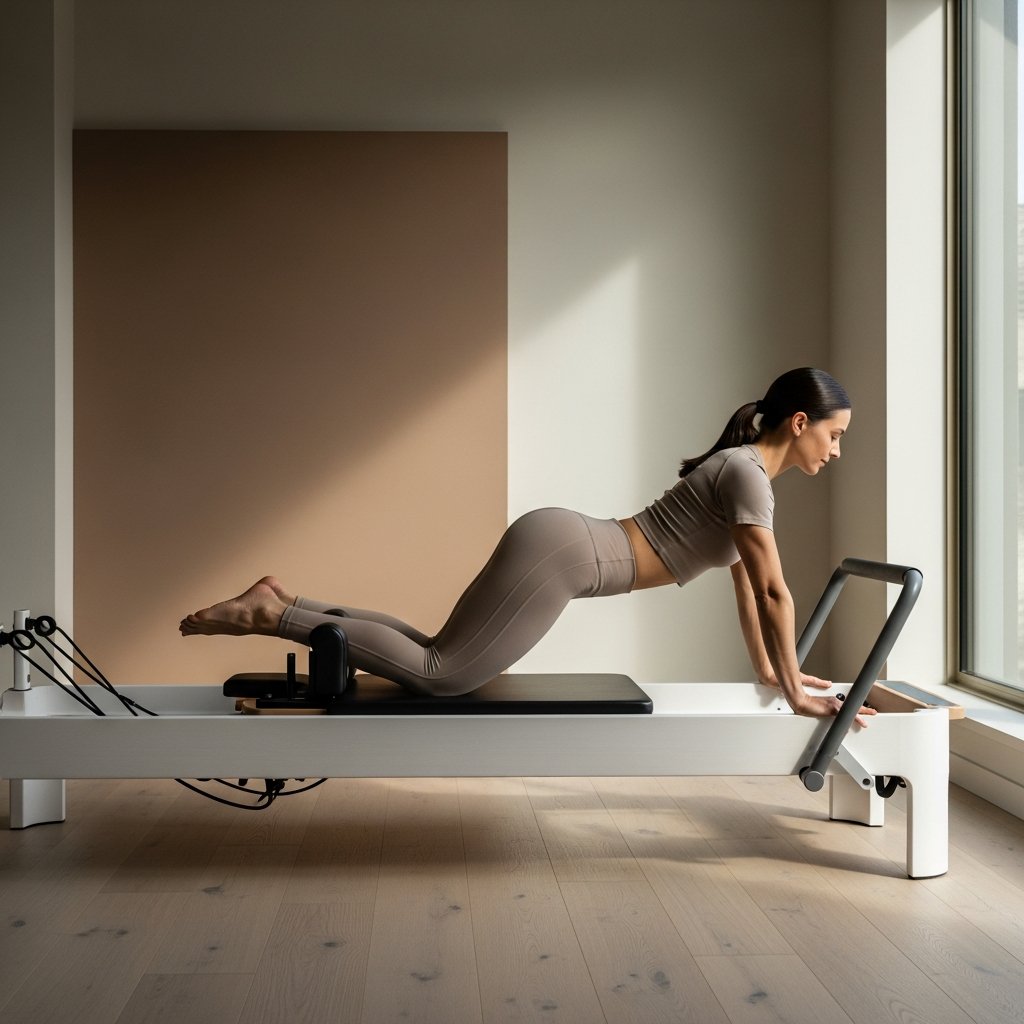
Reformer springs provide variable resistance that mimics the load of traditional weights. Exercises like Eve's Lunge allow for deep eccentric stretching and powerful concentric contractions.
Heavy spring footwork can also drive significant strength gains in the posterior chain. This resistance is key for moving beyond simple endurance training.
How to Apply Progressive Overload in Pilates
The principle of progressive overload—continually challenging the muscles—is non-negotiable for growth. Since Pilates doesn't always involve adding heavy plates, you must use other variables to stimulate hypertrophy.
Manipulating Resistance and Props
You can mimic weight increases by incorporating heavier resistance bands or ankle weights. Small increments, such as 0.5 kg ankle weights, create a significant leverage challenge due to the length of the leg.
Increasing spring tension on a Reformer is another direct method of adding load. These adjustments ensure the muscles never fully adapt to the stress.
Slowing Down the Tempo
Slowing down the movement, particularly during the eccentric phase, drastically increases intensity. This increases 'Time Under Tension' (TUT), fatigues muscle fibers faster, and stimulates growth without heavy weights.
A slow count of 4-6 seconds per repetition forces strict control. This eliminates momentum and places all the stress directly on the muscle tissue.
Digital Training Companions
Managing progressive overload manually can be a guessing game for home practitioners. Nord Pilates solves this by automatically adapting your workout plan as your core strength and endurance improve.
The platform provides structured challenges that systematically increase in difficulty over time. This ensures you are always pushing near your limit, which is required for hypertrophy.
Quick Progression Routine
Here is a simple way to use the app for progressive sessions:
Step-by-Step Guide
- Select focus - Choose a glute-specific path in Nord Pilates.
- Follow cues - Execute reps with the audio tempo guide to ensure slow speed.
- Track effort - Log the session difficulty to allow the app to update your future plan.
Reducing Base of Support
Progressing from stable to unstable positions forces greater muscle recruitment. Moving from two legs to one leg during a bridge instantly doubles the load on the working glute.
Lifting an arm while working the legs also introduces instability. This forces the glutes to engage harder to maintain pelvic alignment.
Common Mistakes That Hinder Glute Growth
It is common to practice Pilates for months without seeing glute changes if the correct muscles aren't firing. Identifying and correcting these pitfalls is crucial for success.
Quad and Hip Flexor Dominance
Many people have a tendency to 'grip' with the front of the thighs during leg lifts. This dominance takes the tension off the glutes and limits growth potential.
Focus on relaxing the front of the hip and initiating movement from the glute crease. Conscious disengagement of the quads is often necessary to correct this pattern.
Lack of Nutritional Support
Exercise provides the stimulus, but nutrition provides the building blocks for new tissue. Adequate protein intake is essential for muscle repair and hypertrophy, regardless of the workout style.
Without sufficient calories and protein, the body cannot synthesize new muscle. This is true for Pilates just as it is for weightlifting.
Inconsistent Practice
Pilates requires consistency to build cumulative fatigue and drive structural change. practicing sporadically will not provide enough stimulus for the body to adapt.
The habit trackers within Nord Pilates are designed to combat this by visualizing your streak. Users often find that seeing a filled calendar provides the daily accountability needed to stick with a growth-focused routine.
The Final Take
Growing your glutes with Pilates is a journey of precision, consistency, and body awareness. By understanding the mechanics of muscle growth and applying progressive overload, you can achieve a stronger, more sculpted posterior chain.
Consistency is Your Strongest Tool
Prioritize form over speed, use props to increase resistance, and remain patient with the process. While Pilates won't give you a bodybuilder's physique overnight, it builds lasting, functional strength and a lifted aesthetic that many find highly desirable.
FAQ
How long does it take to see glute results from Pilates?
Most practitioners notice firmness and lifting within 4-6 weeks of consistent practice (3-4 times per week). Visible hypertrophy or size increases typically take 3-6 months of dedicated progressive overload.
Is Mat Pilates or Reformer Pilates better for glutes?
Both are effective, but the Reformer offers adjustable spring resistance that makes progressive overload easier. Mat Pilates relies more on body weight and high repetitions to create metabolic stress.
Can Pilates replace squats for glute building?
Pilates can replace squats for shaping, lifting, and functional strength, but may not match the raw mass building of heavy weighted squats. It is often superior for targeting the side glutes and improving hip stability.
Will Pilates make my thighs bigger or smaller?
Pilates generally leans out the thighs by focusing on eccentric lengthening and high repetitions. It tends to build compact, dense muscle rather than the bulky hypertrophy associated with heavy leg extensions.
Share this post