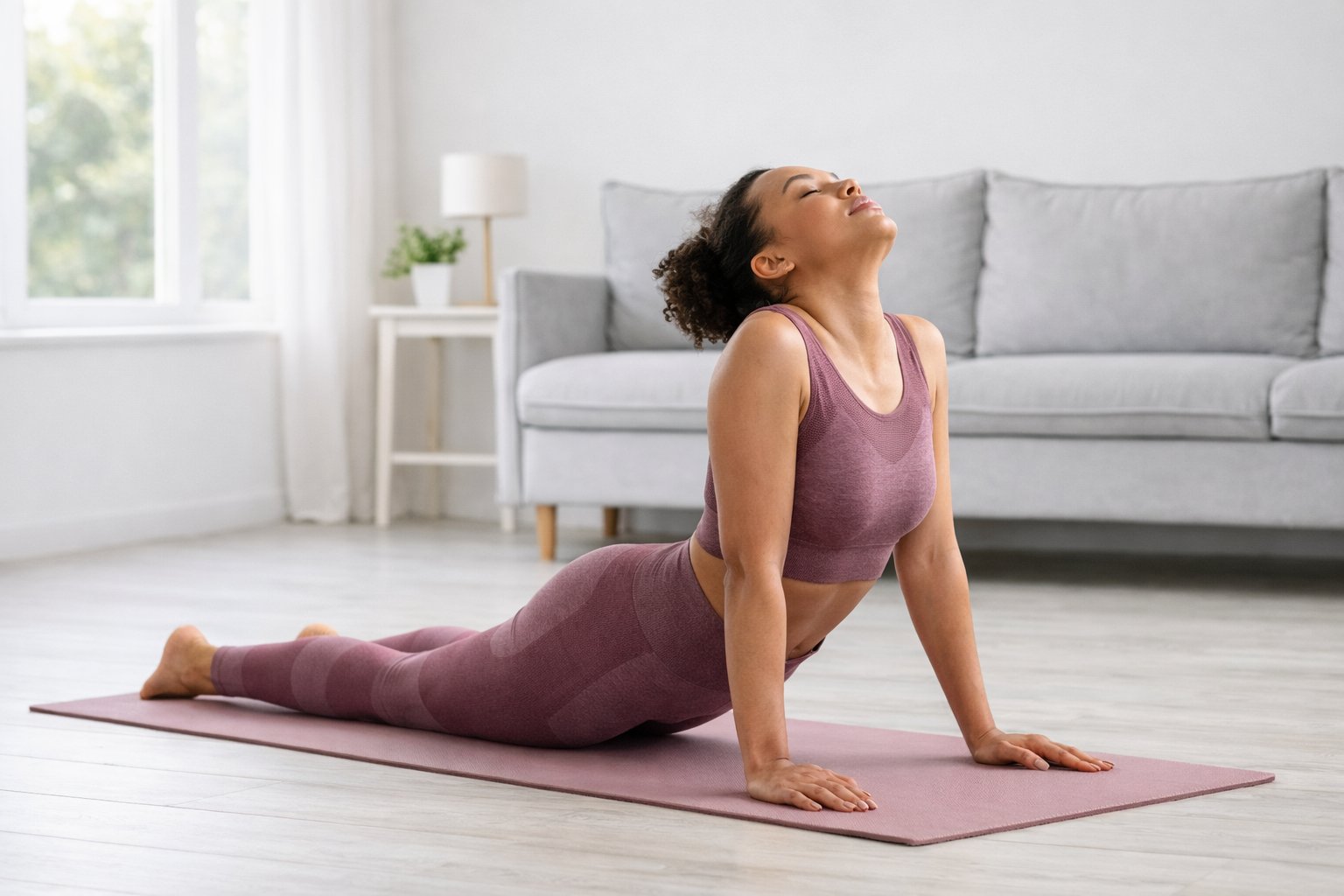
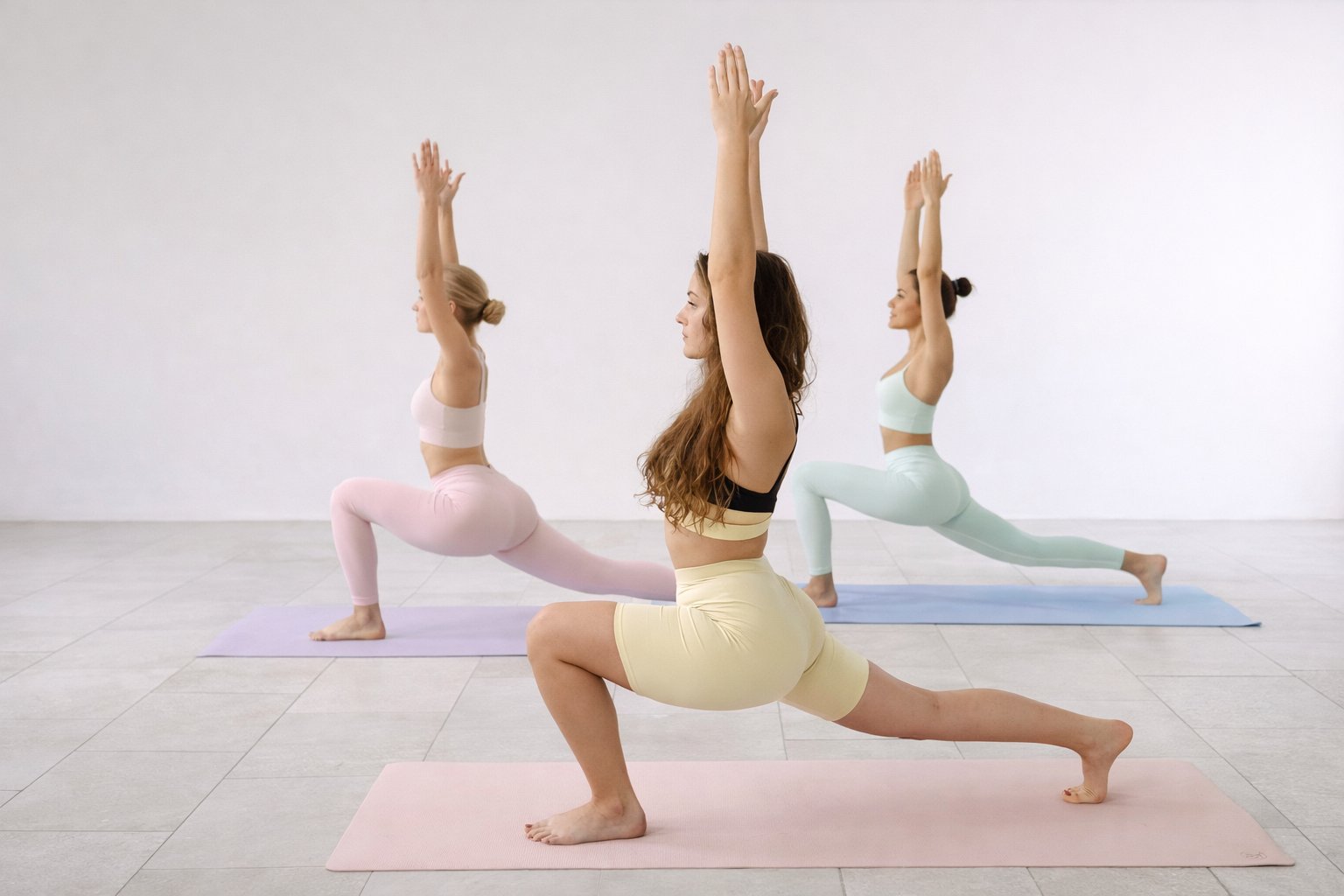
How to Start Pilates: The Complete Beginner’s Guide for 2026
By:Author:Nord Pilates Editorial
Updated on:October 20, 2026
Pilates transforms your body composition and functional strength in ways that traditional cardio often cannot match. This low-impact method builds long, lean muscles while fortifying the deep core stabilizers that support your spine.
Starting a new movement practice can feel intimidating, but the principles of control and precision are accessible to everyone. This guide covers everything required to begin your journey, from equipment choices to your first movements.
Understanding the Core Benefits
Before diving into the movements, it is helpful to understand why experts recommend this practice for long-term health. Research suggests that consistent Pilates practice significantly improves muscular endurance, flexibility, and balance.
Strengthening the Powerhouse
The "powerhouse" refers to the abdominals, lower back, hips, and glutes, which serve as the center of gravity. Targeting these deep stabilizing muscles supports daily functional movement in a way traditional weightlifting often misses.
A strong powerhouse acts as a natural corset for the body. It protects the spine during heavy lifting and everyday activities.
Improving Posture and Alignment
Specific postural improvements result from correcting muscle imbalances throughout the kinetic chain. Proper spinal alignment helps alleviate tension in the neck and shoulders caused by sedentary lifestyles.
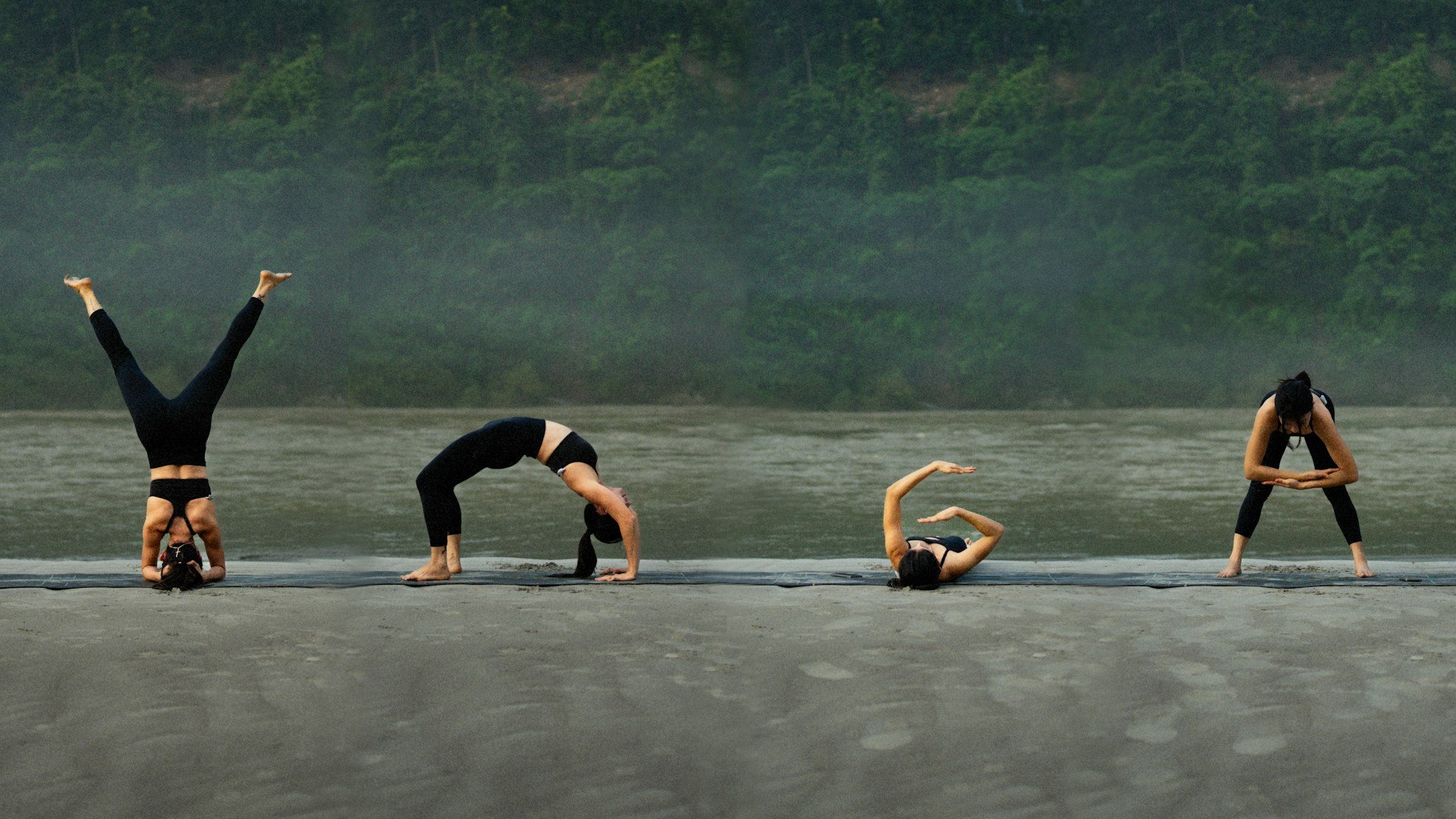
Enhancing Mind-Body Connection
The practice requires intense focus on breath control and concentration, acting as a form of moving meditation. This mental engagement helps reduce stress levels while improving neuromuscular coordination.
Mat vs. Reformer: Choosing Your Path
Pilates can be performed on a simple yoga mat or on complex apparatus, and understanding the difference is key to starting comfortably. While both methods utilize the same principles, they offer different forms of resistance and support.
| Feature | Mat Pilates | Reformer Pilates |
|---|---|---|
Resistance Source | Body Weight | Springs & Pulleys |
Primary Challenge | Gravity Control | Spring Tension |
Space Needed | Minimal | Dedicated Room |
Cost | Low | High |
Starting with Mat Pilates
Mat Pilates is highly accessible as it relies primarily on body weight for resistance. While it appears simple, it is physically demanding because you must support your own body weight without mechanical assistance.
For beginners practicing at home, guidance is essential to ensure effective engagement. Apps like Nord Pilates provide structured mat plans that remove the guesswork, ensuring you target the right muscle groups from day one.
Exploring Reformer Pilates
The Reformer machine uses springs and pulleys to provide variable resistance that can be adjusted for different strength levels. The machine's guidance can actually make certain movements easier for beginners by supporting range of motion.
Hybrid and Contemporary Styles
Modern variations like "Wall Pilates" or hybrid studio classes blend classical techniques with athletic conditioning. Experimenting with different styles helps identify the environment that motivates consistent attendance.
Preparing for Your First Session
You do not need extensive equipment to begin, but a few strategic preparations can make your first experience much smoother. Experts recommend focusing on comfort and visibility of body lines.
What to Wear
Form-fitting clothing free of zippers or buttons is ideal for this practice. Instructors need to see knee, hip, and spine alignment to offer safe corrections, which loose clothing can obscure.
Setting Up a Home Space
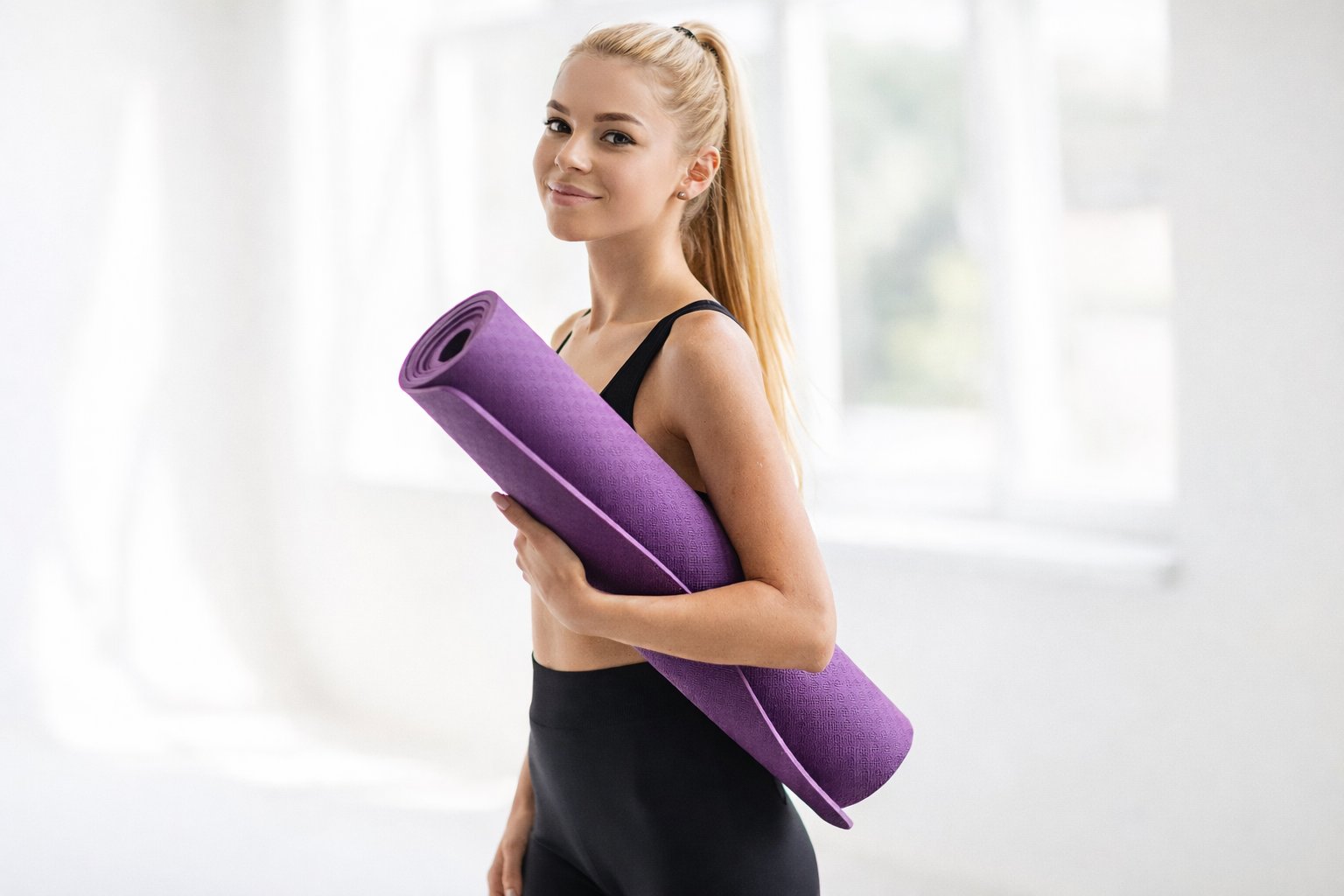
A home practice area requires enough room to extend your limbs fully in all directions. A specific Pilates mat, which is thicker than a standard yoga mat, protects the spine during rolling exercises.
Digital platforms can transform small spaces into effective studios. Nord Pilates includes features that help you schedule and track workouts regardless of your square footage, making consistency easier to maintain at home.
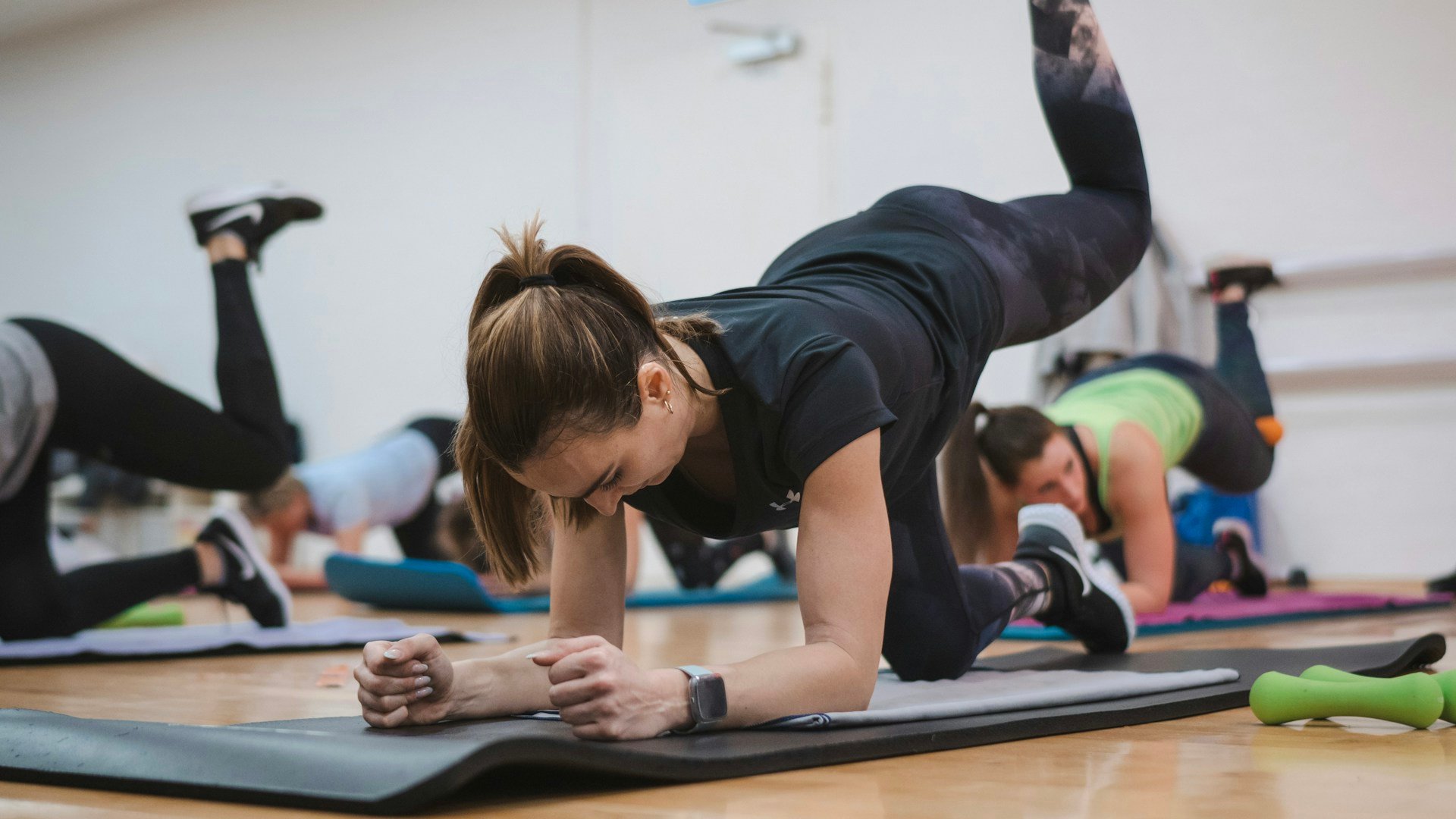
Equipment for Beginners
- Thick Mat - Provides essential cushioning for the spine.
- Magic Circle - Adds resistance for inner thighs and arms.
- Resistance Bands - Simulates spring tension on the mat.
- Small Soft Ball - Assists with core engagement and alignment.
5 Foundational Moves to Master
A successful Pilates journey is built on mastering a few fundamental exercises before attempting complex choreography. Focus on quality of movement rather than quantity of repetitions.
The Pilates Breath
Lateral breathing involves expanding the ribs sideways rather than pushing the belly out. This technique is crucial for maintaining core engagement while moving through difficult ranges of motion.
Pelvic Curl
This movement mobilizes the spine and engages the glutes. You peel the spine off the mat vertebra by vertebra, articulating the back rather than lifting it as a solid block.
The Hundred (Modified)
This classic warm-up increases circulation and warms the body quickly. Beginners should start with knees in a tabletop position rather than extended legs to protect the lower back while building stamina.
Single Leg Stretch
The Single Leg Stretch challenges abdominal endurance and coordination. The goal is to keep the torso perfectly stable and anchored while the limbs move dynamically.
Spine Twist Supine
This rotational movement improves spinal mobility and oblique strength. Keep shoulders anchored to the mat to ensure the twist comes effectively from the waist rather than the upper body.
Building a Sustainable Routine
Consistency is far more effective than intensity when learning how to start Pilates. A steady, manageable schedule allows your neuromuscular system to adapt to these new movement patterns.
Ideal Frequency for Results
Beginners typically see the best progress with 2–3 sessions per week. This frequency allows for adequate muscle recovery while building muscle memory effectively.
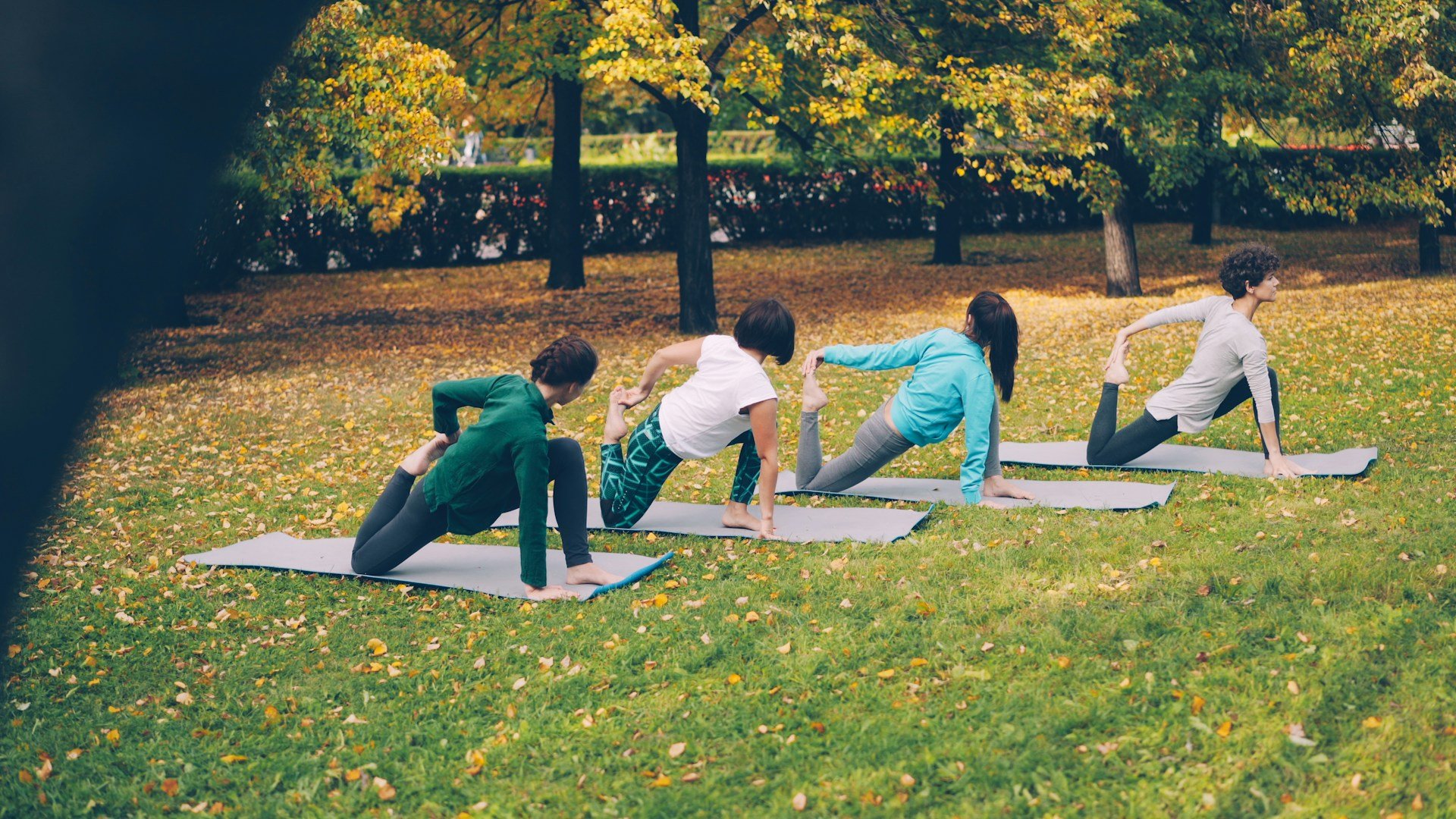
Digital Guidance for Home Practice
Following a structured plan is often the missing link for home practitioners who struggle with routine. Nord Pilates solves this by offering personalized Pilates plans that adapt to your specific fitness level and goals.
The app provides effective guided workouts with step-by-step audio and video instructions, ensuring you maintain proper tempo. Beyond just exercises, Nord Pilates includes daily habit trackers and meal suggestions to support your wellness journey holistically.
Quick Start with Nord Pilates
Here is a simple way to begin your first guided session:
Starting a Session
- Select Level - Choose "Beginner" in the Nord Pilates app.
- Prepare Space - Lay out your mat and ensure your device volume is audible.
- Follow Cues - Listen to the audio cues for breath timing.
- Log Progress - Mark the session complete in the daily tracker.
Combining with Cardio
Pilates is strength and conditioning, not typically cardio. Recommend pairing Pilates days with activities like walking, swimming, or cycling for a balanced fitness regimen.
Tracking Non-Scale Victories
Focus on functional wins like sitting taller, improved sleep, or reduced back pain. Frame Pilates as a tool for better daily living rather than just a weight loss method.
Safety Tips and Common Modifications
Pilates is generally safe for all ages, but correct form is non-negotiable to prevent strain. Listening to your body signals is the most advanced skill you can develop.
Protecting the Neck and Lower Back
Common tension points include the neck and lumbar spine during abdominal work. Support your head with your hands if the neck fatigues and "imprint" the spine if the lower back arches excessively.
Visual references are incredibly helpful for preventing these issues. Nord Pilates uses clear video demonstrations to show exactly how the neck and spine should align during complex moves like the Hundred.
Modifying for Wrist Sensitivity
Weight-bearing moves can be modified by using fists or resting on forearms. Note that wrist strength often builds naturally over time as you progress.
When to Seek Professional Guidance
Persistent sharp pain is a signal to stop immediately. If you have a history of spinal disc issues or recent abdominal surgery, consult a physical therapist before joining a generic class.
The Final Take
Starting a Pilates practice is an investment in your body's longevity and functional capability. Whether you choose a studio environment or a home practice, the key is patience and attention to detail.
Focus on mastering the breath and foundational alignment before rushing into advanced movements. With tools like Nord Pilates providing expert guidance and personalized plans, building a safe and effective routine has never been easier.
FAQ
Can I do Pilates if I am not flexible?
Yes, flexibility is a result of Pilates, not a prerequisite. You will gradually increase your range of motion through consistent practice.
How long does it take to see results from Pilates?
Many practitioners feel a difference in posture after just a few sessions. Visible muscle definition typically appears after 4 to 6 weeks of consistent training, though results vary by individual.
Is Pilates suitable for weight loss?
Pilates builds lean muscle which can boost metabolism, but it is primarily a strength tool. For significant weight loss, it is best combined with a balanced diet and regular cardiovascular activity.
Can I teach myself Pilates at home?
Yes, provided you use reliable resources that emphasize form. Digital tools with visual guidance are safer than attempting exercises from memory.
Share this post