Gym Vs Pilates: Comparing Benefits, Results, And Body Changes
By:Author:Nord Pilates Editorial
Updated on:October 20, 2026
Choosing between the gym and Pilates often feels like a choice between raw power and refined control. Both disciplines offer distinct pathways to fitness, yet they reshape the body in fundamentally different ways.
Your decision depends largely on whether you seek maximum hypertrophy or a focus on alignment and stability. This guide explores the science behind each method to help you decide which path aligns with your goals.
Key Differences At A Glance
Understanding the fundamental distinctions between these two disciplines helps clarify which approach suits your immediate needs. The following comparison highlights the primary focus, equipment, and typical outcomes of each training style.
Comparison Table: Gym Training Vs. Pilates
Review these core differences to see how each modality approaches physical conditioning. This breakdown covers the essential aspects of resistance and intensity.
| Feature | Gym | Pilates |
|---|---|---|
Primary Focus | Hypertrophy/Aerobic | Core/Alignment |
Resistance Type | External Weights | Bodyweight/Springs |
Intensity | High/Variable | Controlled/Low-Impact |
Injury Risk | Load-Dependent | Low |
Beyond these basic distinctions, the most common question users ask relates to the visible physical changes each method produces.
Analyzing The Physical Results: Gym Body Vs. Pilates Body
One of the most frequent search topics involves the aesthetic and functional differences between a physique built by heavy lifting versus one shaped by Pilates. While genetics play a major role, the training stimulus dictates how muscles adapt and appear.
The Physiology Of Muscle Growth In The Gym
Traditional weight training triggers hypertrophy, which is the enlargement of muscle fibers. Lifting heavy weights creates micro-tears in the tissue that repair larger and stronger, leading to visible muscle definition.
This process requires progressive resistance to continue stimulating growth over time. A typical hypertrophy protocol might involve 3–4 sets of 8–12 reps, specifically designed to exhaust the muscle.
The 'Lengthening' Effect Of Pilates
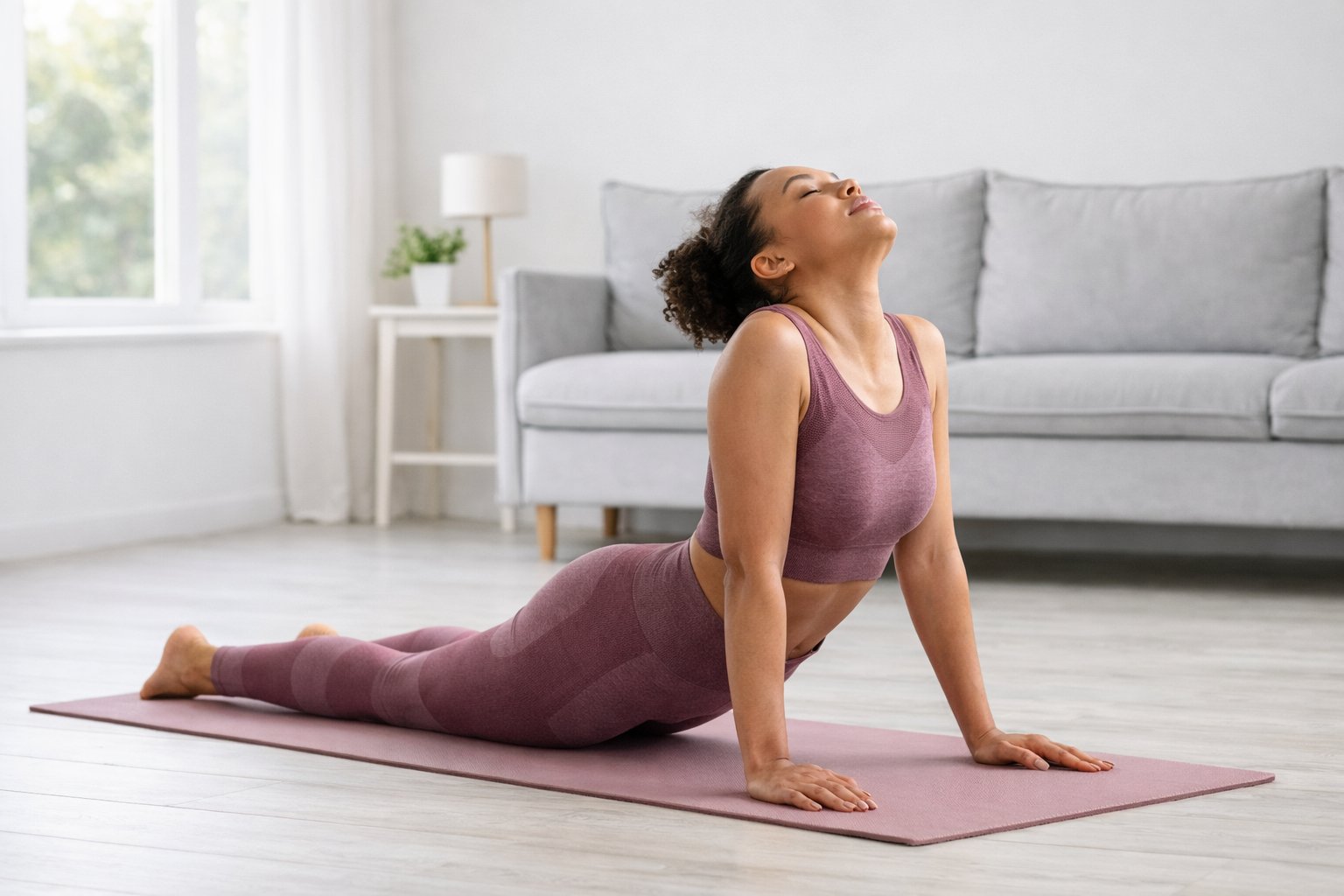
It is important to clarify that muscles have fixed attachment points on the bone and cannot physically grow longer. However, Pilates focuses on eccentric contraction and Postural Alignment, which creates the appearance of length.
By improving posture and reducing tension, the body holds itself taller, resulting in a leaner silhouette without necessarily adding bulk. This aesthetic is often described as the 'dancer's physique' due to its focus on extension.
Functional Strength Differences
Gym strength is often characterized by maximum force production, such as lifting a heavy box from the floor. In contrast, Pilates strength emphasizes endurance, stability, and controlling the body through space.
Pilates practitioners often find daily movements, like reaching for a high shelf or sitting at a desk, become effortless due to improved core support. To understand which result aligns with your goals, it is helpful to look closer at the specific benefits of a traditional gym routine.
Core Benefits Of A Gym And Weightlifting Routine
Traditional gym training, particularly resistance training and cardiovascular work, remains the gold standard for maximal strength gains and heart health. The versatility of a gym environment allows for scalable progression regardless of starting fitness levels.
Progressive Overload And Bone Density
The gym environment facilitates progressive overload, where you systematically increase the weight or resistance. This mechanical stress is critical for increasing bone mineral density, which is especially important for aging populations to prevent osteoporosis.
For example, increasing a squat lift by 2 kg every week forces the skeletal system to adapt and strengthen. This level of load is difficult to replicate with bodyweight exercises alone.
Metabolic Rate And Fat Loss
Building more muscle tissue through weightlifting has a direct impact on your resting metabolic rate. Muscle is metabolically active tissue, meaning it burns calories even when you are sitting still.
This makes gym training highly effective for long-term weight management. The more lean mass you carry, the more efficient your body becomes at utilizing energy.
Cardiovascular Variety
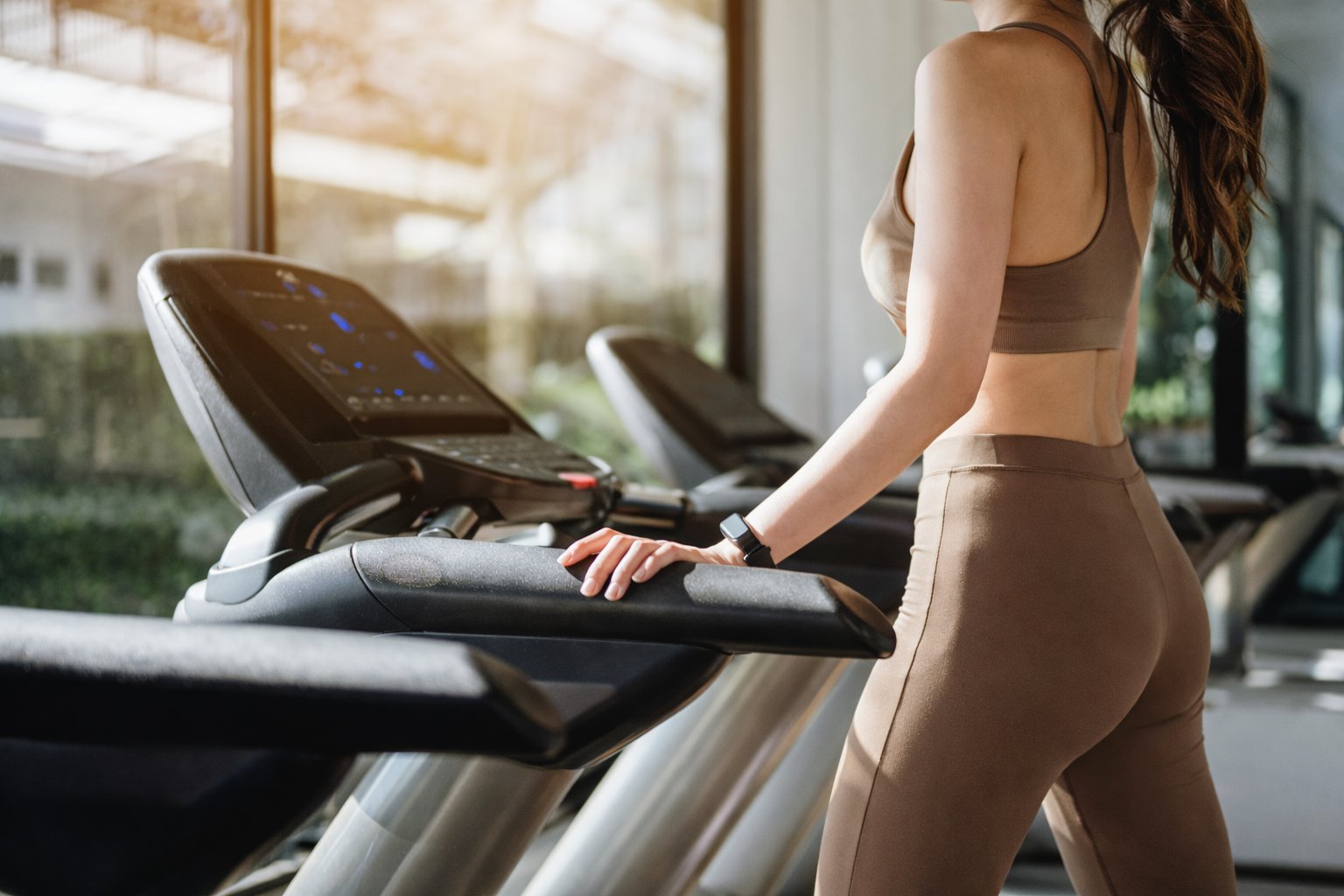
Gyms provide access to varied cardio equipment like treadmills, rowers, and ellipticals. This variety makes it easier to perform structured High-Intensity Interval Training (HIIT) or steady-state cardio in Zone 2 for heart health.
Isolation Of Specific Muscle Groups
Gym machines allow users to isolate lagging body parts more effectively than compound Pilates movements. If a specific muscle group, like the hamstrings, is weak, a leg curl machine can target it directly.
Poor form on isolation machines can still strain joints, so adjustment is key. While the gym offers raw power and metabolic advantages, Pilates offers a unique set of rehabilitative and stabilizing benefits that weights alone often miss.
Core Benefits Of A Consistent Pilates Practice
Pilates is often recommended by physical therapists for its ability to correct imbalances and strengthen the body's stabilizing muscles. It emphasizes control and precision over heavy loading.
Digital Tools For Home Practice
For those practicing at home, Nord Pilates offers personalized workout plans that adapt to your fitness level automatically. The app tracks progress across sessions, adjusting difficulty as core strength develops.
What sets it apart is the real-time form feedback that helps prevent the alignment mistakes common among self-taught practitioners. The daily habit tracker is particularly useful for building consistency in the first month.
Deep Core Activation And Spinal Stability
Pilates targets the transverse abdominis and pelvic floor—muscles often neglected in standard weightlifting. This deep activation creates a 'corset' effect that supports the lower back and improves posture.
A strong deep core acts as a natural weight belt during daily activities. This stability is foundational for all other movement patterns.
Injury Rehabilitation And Prevention
Pilates is low-impact and joint-friendly, making it ideal for rehabilitation. It corrects movement patterns without placing heavy compressive loads on the spine or knees.
If you have acute back pain or a recent disc herniation, consult a doctor before starting. Many therapists use these principles to safely reintroduce movement.
Improved Flexibility And Range Of Motion
Unlike static gym stretching, Pilates involves dynamic stretching where you move through a range of motion. This improves overall mobility while simultaneously building strength.
Exercises like 'The Saw' combine a deep hamstring stretch with rotational core work. This dual focus keeps joints lubricated and healthy.
Mind-Muscle Connection And Breath Control
The focus on breath work and precise movement patterns fosters a heightened body awareness. This proprioception translates to better movement in daily life and reduced risk of accidents.
Developing this connection can be challenging for beginners without guidance. Nord Pilates simplifies this by providing audio and video step-by-step workouts that cue you exactly when to inhale and exhale.
Quick Start Sequence With Nord Pilates
- Selection - Choose a 'Low Impact' session from your personalized plan.
- Setup - Place your mat in a quiet space and launch the video guide.
- Alignment - Follow the audio cues to neutralize your spine before moving.
- Tracking - Log the session in the daily habit tracker to maintain your streak.
Weight Loss And Calorie Burn Comparison
When the primary goal is weight loss, the equation involves both calories burned during the session and the long-term metabolic effects. Research suggests distinct differences in how these two modalities impact energy expenditure.
Calorie Expenditure Per Session
A high-intensity gym session typically burns more calories per hour than Pilates. A heavy lifting session might burn roughly 400+ calories per hour, whereas a standard Mat Pilates class may burn around 250 calories.
This gap is significant for those relying solely on exercise for a caloric deficit. However, consistency often matters more than single-session intensity.
The Afterburn Effect (EPOC)
Heavy weight training creates a greater Excess Post-exercise Oxygen Consumption (EPOC). This afterburn effect keeps the metabolism elevated for hours after leaving the gym as the body repairs tissue.
Pilates typically involves lower intensity steady-state effort, resulting in a smaller afterburn. Given that both methods have unique strengths, many experts now recommend a hybrid approach rather than choosing one exclusively.
Combining Gym And Pilates For Optimal Performance
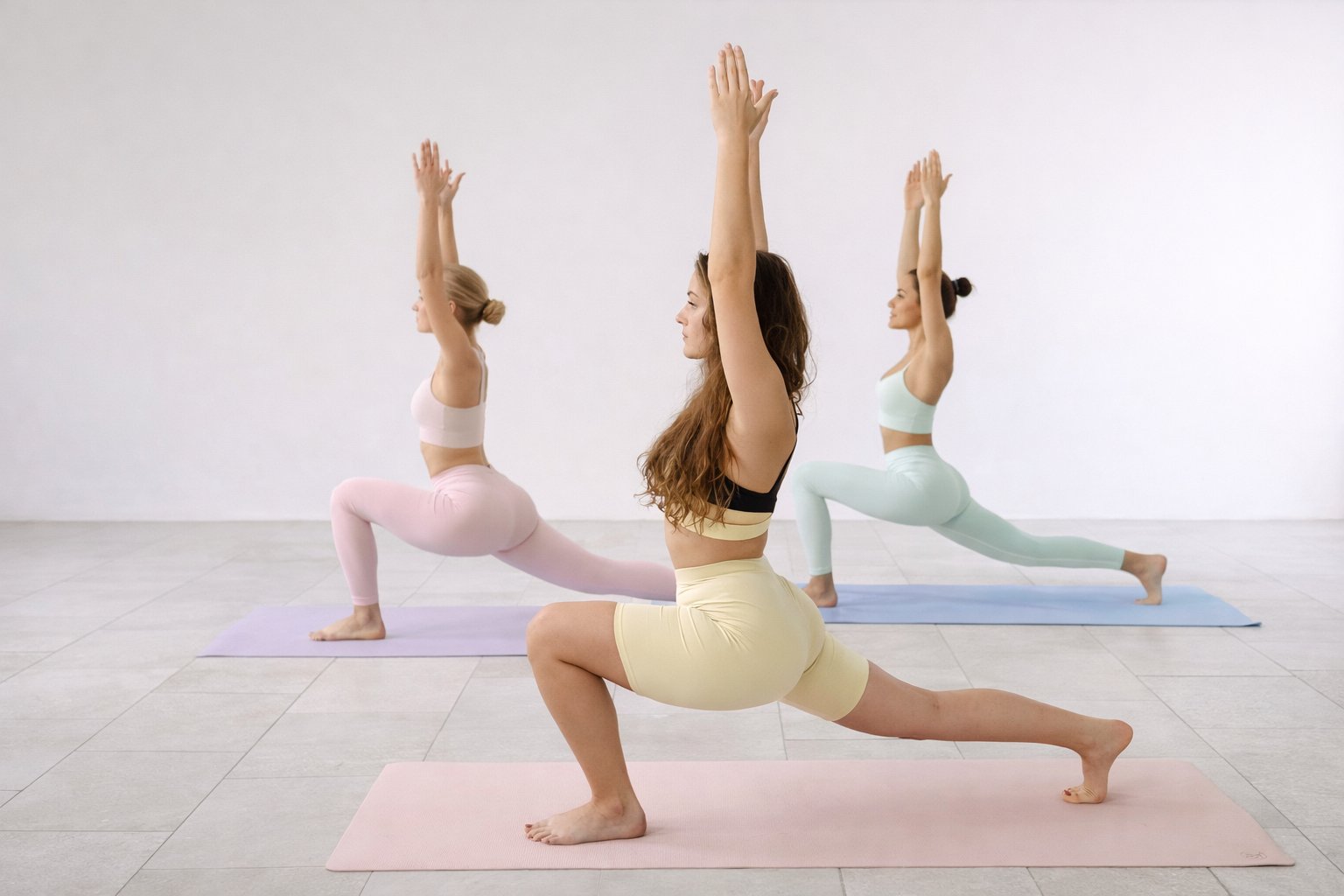
You do not necessarily have to choose one over the other; in fact, they complement each other exceptionally well. Many athletes use Pilates to support their heavy lifting, while Pilates enthusiasts use gym weights to build power.
Using Pilates As Active Recovery
Scheduling Pilates on 'rest' days from the gym promotes blood flow and mobility without adding central nervous system fatigue. This aids in faster recovery from heavy lifts and reduces muscle stiffness.
Using a tool like Nord Pilates helps you select specific recovery routines that target the muscle groups you worked the day before. This strategic layering keeps you active without risking overtraining.
Strengthening The Stabilizers For Heavier Lifts
A strong core and improved hip mobility gained from Pilates can directly improve performance in gym compounds like squats and deadlifts. When stabilizers are strong, the prime movers can fire more efficiently.
This synergy reduces the likelihood of lower back injuries during heavy sets. It creates a solid foundation for generating power.
Sample Weekly Schedule
A balanced week might include 3 days of strength training in the gym and 2 days of Pilates for active recovery and core work. The remaining 2 days can be designated for full rest or light walking.
Nord Pilates offers fitness challenges that can serve as the framework for your Pilates days, keeping you engaged. Following a structured plan ensures neither modality is neglected.
Final Thoughts
The choice between gym training and Pilates ultimately comes down to your specific body goals and what style of movement you enjoy most. For maximal muscle size and raw power, the gym is unmatched, while Pilates reigns supreme for posture, alignment, and core stability.
Many people find the best results come from combining both worlds to build a body that is both strong and mobile. If you are ready to start building that foundation of core strength, Nord Pilates provides the expert guidance needed to practice safely from home.
FAQ
Is Pilates expensive compared to a gym membership?
Studio Pilates classes can be significantly more expensive per session than a standard gym membership. However, using digital apps for home practice is a cost-effective alternative that rivals budget gym fees.
Can Pilates replace weight training completely?
Pilates can build significant strength, but it may not replicate the maximal hypertrophy signals of heavy lifting. For general fitness and tone, it is sufficient; for bodybuilding, weights remain superior.
Is Pilates considered strength training?
Yes, Pilates is a form of strength training that uses body weight and spring tension as resistance. It focuses on muscular endurance and stability rather than maximum force output.
Which is better for belly fat: gym or Pilates?
Both are effective when combined with a caloric deficit, but the gym may burn more calories per minute. Pilates is exceptional for tightening the deep abdominal muscles, which pulls the waist in for a flatter appearance.
Share this post