How Does Pilates Change Your Body? Timelines And Physical Results
By:Author:Nord Pilates Editorial
Updated on:October 20, 2026
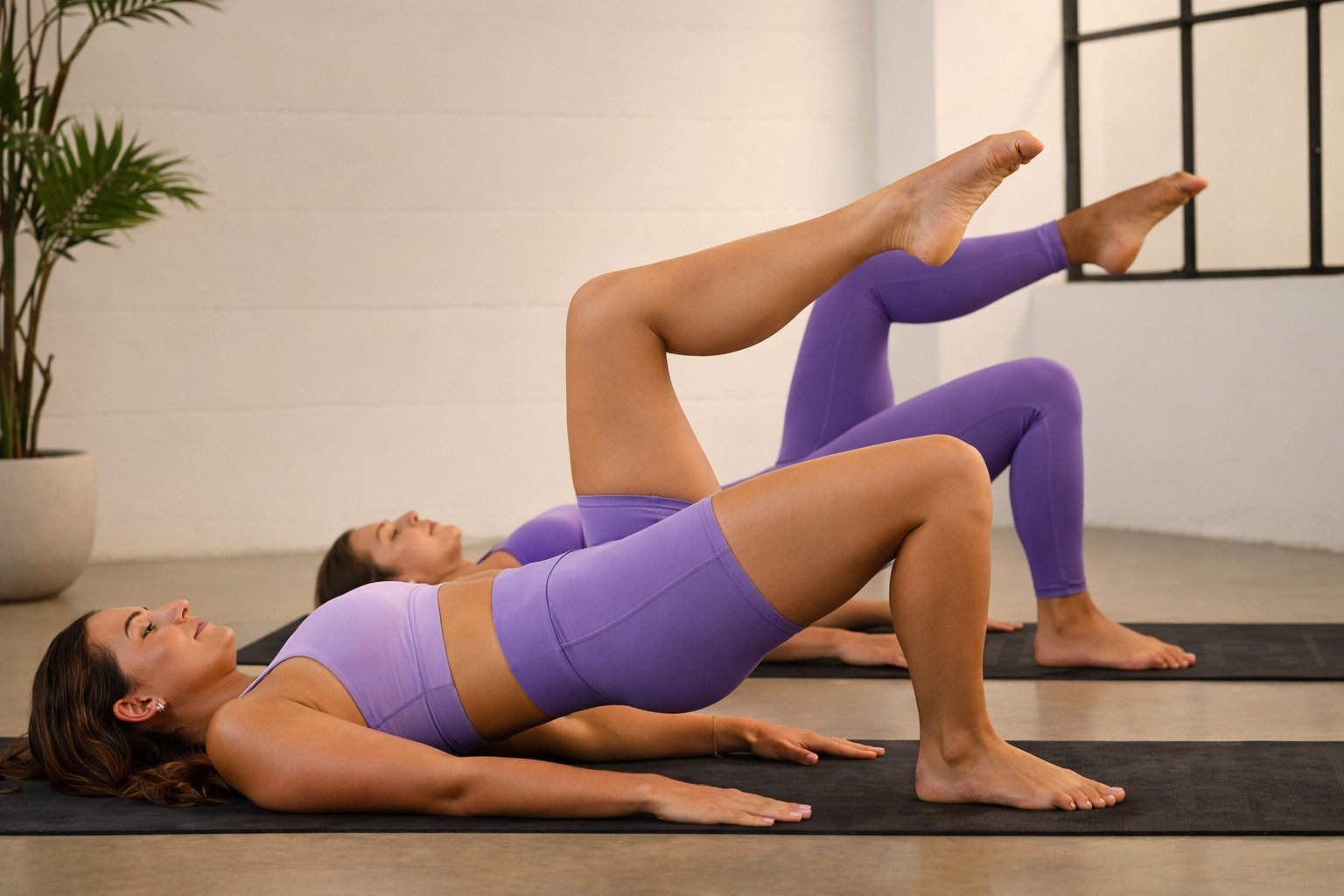
Many people wonder if the subtle, controlled movements of Pilates can truly rival the visible results of high-intensity gym sessions or heavy weightlifting. Yes, Pilates changes your body significantly by reshaping muscle architecture through eccentric contraction and deep core stabilization.
The practice creates a distinct, elongated physique that differs markedly from the bulk often associated with traditional strength training. This guide explores the physiological mechanics behind these shifts and provides a realistic timeline for when you can expect to see them.
The Mechanics of the Pilates Transformation
Understanding the physiological principles behind Pilates explains why it produces a distinctive, elongated aesthetic compared to other forms of exercise. The method focuses on stabilizing muscles and functional movement patterns rather than isolated muscle hypertrophy.
Eccentric Contraction and Muscle Elongation
Pilates places a heavy emphasis on the eccentric phase of muscle movement, which involves lengthening the muscle under tension. This contrasts with the concentric contraction, or shortening phase, often prioritized in traditional bodybuilding.
Muscles can be up to 1.75 times stronger eccentrically, allowing for significant strength gains without increasing muscle circumference. This time under tension while lengthening creates the long, lean look characteristic of dedicated practitioners.
Recruitment of Slow-Twitch Muscle Fibers
The controlled, endurance-based nature of Pilates targets slow-twitch (Type I) muscle fibers. These fibers are specifically designed for endurance, posture, and sustained activity.
Exercises like 'The Hundred' require sustained contraction to target these fibers deeply without inducing bulk. By focusing on these fatigue-resistant fibers, the body builds density and tone rather than size.
Neuromuscular Re-patterning
Pilates changes the body by rewiring how the brain communicates with muscles, leading to more efficient movement. This improved mind-body connection ensures that the correct muscles fire for every action.
For example, learning proper pelvic alignment can activate dormant glutes during simple daily activities like walking. Once these mechanisms are in motion, the visible results begin to manifest in specific areas of the physique.
Visible Physical Changes You Can Expect
Regular practitioners often report distinct changes in their silhouette and carriage within the first few months of training. These aesthetic shifts are the direct result of targeting the body's stabilizing muscles.
A Narrower, More Defined Waistline
The primary focus on the Transverse Abdominis, often called the 'corset muscle', leads to a visible cinching of the waist. Strengthening this deep layer acts as a natural corset that pulls the midsection inward.
Observations frequently show practitioners reducing waist circumference by 2–3 cm simply by engaging the deep core. This definition occurs even in the absence of massive overall weight loss.
Improved Posture and Perceived Height
Decompressing the spine and correcting kyphosis, or slouching, can make you appear significantly taller. The 'Pilates growth' phenomenon is a common result of improved alignment.
You may potentially regain up to 0.5 to 1 inch of lost height simply by correcting spinal alignment and standing true. This vertical lift contributes to the appearance of a leaner physique.
Sculpted Arms and Shoulders
Holding body weight in Mat work or using straps on the Reformer tones the triceps and deltoids without adding bulk. Exercises like 'Plank to Pike' require stabilizing the shoulder girdle against gravity.
Achieving this definition requires precise movement patterns that isolate muscles without recruiting the neck. Nord Pilates helps users master these subtleties through detailed video demonstrations that focus on shoulder stability.
Following these guided sequences ensures the load remains on the target muscles rather than straining the joints. This leads to the defined, elegant arm structure associated with the practice.
Lifted Glutes and Leaner Legs
Pilates specifically targets the gluteal fold and inner thighs, or adductors, through pelvic stability exercises. This approach lifts the glutes while slimming the leg profile.
Unlike 'quad-dominant' squatting which can bulk the front of the thigh, Pilates elongates the leg muscles. The result is a lifted, sculpted look without significant increase in thigh circumference.
Does Pilates Lead to Weight Loss?
While Pilates is primarily a strength and conditioning modality, it plays a significant role in body composition changes. The relationship between Pilates and weight loss is often more about inches lost than numbers dropping on a scale.
Body Recomposition vs. Weight Loss
There is a distinct difference between losing weight and changing body composition, which is the muscle-to-fat ratio. Building lean muscle density increases metabolic demand, helping you burn more energy at rest.
It is common to drop a dress size while the scale remains the same due to increased muscle density. This shift creates a tighter, more compact physical appearance.
Caloric Burn Considerations
It is important to have a realistic view of calorie expenditure compared to high-intensity cardio. A beginner Mat class burns roughly 175–250 calories, while an advanced Reformer session may burn 250–450 calories.
While not the highest caloric burn per hour, the metabolic afterburn from resistance training contributes to long-term management. Consistent practice accumulates a significant deficit over time.
The 'Pilates Effect' on Visceral Fat
Research suggests that resistance training can help reduce visceral fat, which is the dangerous fat stored around organs. Lowered cortisol levels from the mindful breathing aspect also play a role in reducing fat retention.
Stress reduction through breathing aids this process, as high stress is often linked to abdominal weight gain. Understanding these composition changes helps distinguish the 'Pilates look' from results achieved through traditional gym workouts.
Pilates Body vs. Gym Body: Key Differences
Both Pilates and traditional weightlifting offer immense health benefits, but they tend to sculpt the body in different ways due to their distinct training stimuli. Choosing between them depends on your specific aesthetic and functional goals.
| Feature | Pilates | Gym Training |
|---|---|---|
Primary Goal | Core Stability | Hypertrophy |
Reps Range | High (20-30+) | Low-Med (8-12) |
Movement Type | Integrated/Whole Body | Isolated/Split |
Flexibility | Increases | Variable |
Hypertrophy vs. Endurance
Gym lifting often seeks hypertrophy through ranges of 8–12 reps with heavy load to tear and rebuild muscle fibers larger. In contrast, Pilates targets endurance with 20–30+ reps or time-based tension using lighter resistance.
This approach creates a sleeker look rather than a bulky one. The muscles become dense and resilient without significantly increasing in cross-sectional size.
Pilates focuses on integrated movements where the core supports the limbs, unlike gym isolation exercises.
Isolation vs. Whole-Body Integration
A seated bicep curl is an isolation exercise, whereas 'Serving the Platter' on the Reformer engages the biceps, core, and balance systems simultaneously. This integration leads to a symmetrical, connected physique where muscles work in harmony.
The result is a fluid movement quality that translates well to daily life. You develop functional strength that connects the upper and lower body through a strong center.
Flexibility and Range of Motion
Heavy gym training can shorten muscles if stretching is neglected, leading to stiffness. Pilates improves flexibility *during* the strengthening process by working muscles through their full range.
Dynamic stretching in Pilates maintains muscle elasticity. This prevents the 'stiff' feeling sometimes associated with heavy lifting and promotes a supple, agile body.
The Results Timeline: When Will You See Changes?
Joseph Pilates famously claimed, 'In 10 sessions you will feel the difference, in 20 you will see the difference, and in 30 you will have a whole new body.' Modern observations generally align with this progression, though individual consistency plays a major role.
The First Month (1–10 Sessions)
During the first few weeks, the focus is on 'feeling' the difference rather than seeing it. You may notice improved body awareness and 10-20% better core activation.
A sense of spinal length is often felt immediately after class. This early phase is about neuromuscular adaptation and learning to engage the correct muscles.
Months Two to Three (20–30 Sessions)
With 2–3 sessions per week, visible changes begin to appear. Friends may notice better posture and clothes fitting looser around the midsection.
Muscle definition in the triceps and abs becomes apparent as body fat potentially decreases. This is when the cumulative effect of consistency starts to pay off.
Digital Support for Home Practice
For those practicing at home, Nord Pilates offers a structured way to maintain the necessary frequency for results. The app generates a personalized pilates plan that adapts to your fitness level, ensuring progressive overload without the need for a studio instructor.
Users benefit from daily habit trackers that visualize consistency, which is crucial during the first three months of adaptation. The platform's audio and video guided workouts provide the technical cues needed to maximize the effectiveness of every movement.
Quick Start Sequence
- Selection - Open Nord Pilates and choose a 'Core Flow' session.
- Setup - Place your mat in a quiet space and start the audio guide.
- Execution - Follow the real-time cues for breathing and alignment.
- Tracking - Log the session to update your weekly progress streaks.
Long-Term Adaptation (6 Months+)
After six months of regular practice, structural permanence sets in. Bone density improves and the 'Pilates body' aesthetic is fully established.
It is necessary to use progressive overload, such as moving from Level 1 to Level 2, to continue seeing results. The body becomes highly efficient, requiring more advanced challenges to adapt further.
Consistency: Mat vs. Reformer Frequency
Experts recommend 3–4 times per week for optimal results. Reformer Pilates may produce visible muscle tone slightly faster due to the added spring resistance compared to Mat work.
However, consistency is far more important than the equipment used. Regular Mat practice can yield exceptional results if performed with precision and control.
Internal and Functional Health Benefits
The aesthetic changes are often a byproduct of improved internal function. Pilates systematically improves the body's support systems, from breath capacity to joint health.
Enhanced Pelvic Floor Integrity
Pilates is renowned for strengthening the pelvic floor muscles which support the vital organs. This leads to a reduced risk of stress incontinence and provides better support during high-impact activities.
A strong pelvic floor acts as the foundation for the entire core. It contributes to lumbopelvic stability, reducing lower back strain during daily tasks.
Increased Lung Capacity and Circulation
The lateral breathing technique used in Pilates encourages deep, rib-cage expansion. This oxygenates the blood more efficiently than shallow chest breathing.
Improved oxygenation can lower resting heart rate and reduce stress levels by regulating cortisol. This internal calm translates to a more relaxed physical demeanor.
Injury Prevention and Joint Mobility
Strengthening stabilizing muscles prevents injuries by ensuring joints track correctly. For example, strengthening the VMO (inner quad) helps track the patella correctly, significantly reducing the risk of runner's knee.
Proper form is the primary defense against strain, yet self-correction is difficult without an instructor. Nord Pilates addresses this by offering exclusive expert content that breaks down complex alignment principles.
Users can reference these guides to ensure their knee tracking and pelvic placement remain safe during independent practice. This guidance is essential for longevity in any fitness routine.
The Final Take
Pilates changes your body by prioritizing function, alignment, and deep core strength over bulk and superficial aesthetics. While it requires patience and consistency, the result is a balanced, flexible, and resilient physique that moves as well as it looks.
For those seeking to begin this transformation at home, tools like Nord Pilates provide the structure and expertise needed to succeed. Committing to the process today will yield a stronger, more aligned body in the months to come.
FAQ
Can Pilates replace cardio for weight loss?
Pilates is primarily strength training, though advanced classes can elevate heart rate. For significant weight loss, it is best combined with dedicated cardio activities like walking or swimming.
Will Pilates make me bulky?
No, Pilates focuses on eccentric contraction which lengthens muscles rather than bulking them. It builds dense, lean muscle tone that typically results in a smaller, more compact appearance.
Is Pilates enough exercise on its own?
For general health and mobility, Pilates is excellent on its own. However, leading health organizations recommend adding some form of aerobic activity for optimal heart health.
Does Pilates change body shape for everyone?
Most practitioners see positive changes in posture and waist definition. However, individual results depend on consistency, diet, and genetic factors.
Share this post