How Often Should You Do Pilates For Best Results?
By:Author:Nord Pilates Editorial
Updated on:October 20, 2026
- The Ideal Pilates Frequency According to Experts
- Adjusting Frequency Based on Your Specific Goals
- Mat vs. Reformer: Does Equipment Change the Schedule?
- Progression: Scheduling for Beginners vs. Advanced Practitioners
- Integrating Pilates with Other Workouts
- Signs You Are Overtraining or Undertraining
- The Final Take
- FAQ
Pilates may appear slow and controlled, but it fires up muscles and steadily reshapes body composition through consistent effort. You can achieve significant results by practicing three to four times a week, as this frequency balances stimulus with recovery.
The ideal schedule depends heavily on your specific goals, experience level, and the type of equipment you use. This guide explores how to tailor your weekly routine to maximize the benefits of Contrology.
The Ideal Pilates Frequency According to Experts
While movement is beneficial in any dose, there is a specific volume of training that maximizes the unique benefits of this method. Experts generally recommend a consistent routine that allows for muscle memory retention without causing burnout.
The "3-4 Times a Week" Standard
Most instructors cite three to four sessions per week as the sweet spot for neuromuscular adaptation. This frequency provides enough stimulus to change muscle structure while allowing for necessary 24–48 hour recovery windows.
Consistency yields faster results than sporadic efforts, even if individual sessions are shorter. Regular practice helps the nervous system adapt to new movement patterns more efficiently.
Joseph Pilates' Original Recommendation
In his seminal work 'Return to Life Through Contrology', Joseph Pilates suggested practicing at least four times a week. He believed that frequent engagement was essential to fully correct bodily misalignments and poor posture habits.
Modern schedules often make this difficult, but quality often trumps quantity in contemporary practice. Focusing on precision during fewer sessions can still produce excellent outcomes.
Consistency vs. Intensity
Frequency is often more important than intensity when it comes to long-term structural alignment. 'Micro-dosing' movement daily is frequently more effective than one exhausting session per week.
This approach keeps the core muscles active and reinforces good posture throughout the week. While three to four times is the general rule, your personal goals may require a tailored approach.
Adjusting Frequency Based on Your Specific Goals
Your primary reason for practicing Pilates will dictate how often you need to get on the mat or reformer. Whether you are aiming for weight loss, rehabilitation, or stress relief, the optimal volume will vary.
For Weight Loss and Metabolism
While Pilates is low-impact, higher frequency is often needed for significant caloric burn. Practicing 4–5 times a week can help increase metabolic rate and lean muscle mass.
For the best results, many practitioners mix Pilates with cardio. A 50-minute intense flow can burn significantly more calories than a gentle stretch session.
For General Toning and Flexibility
Two to three sessions a week are typically sufficient to maintain muscle tone and improve range of motion. This maintenance schedule is ideal for general wellness without overwhelming a busy calendar.
A 'Monday-Wednesday-Friday' cadence often works well for this goal. It provides regular input to the muscles while ensuring ample rest days.
For Rehabilitation and Pain Management
Clinical Pilates might be prescribed 1–2 times a week initially to ensure movements are safe and controlled. If you experience sharp, shooting pain or new swelling during any movement, consult a physical therapist immediately.
For Stress Relief and Mental Health
Even short, daily 10–20 minute sessions can be effective for nervous system regulation. Breathwork focus is a key component for daily mental health practice, helping to lower cortisol levels.
For Athletic Performance
Athletes often use Pilates 1–2 times a week as active recovery or mobility work. For example, a runner might use Pilates specifically for hip mobility on rest days to prevent injury.
Mat vs. Reformer: Does Equipment Change the Schedule?
The apparatus used can alter the intensity of the workout and the recovery time required by your body. Understanding the differences between mat work and reformer classes can help you structure a balanced week.
Frequency for Mat Pilates
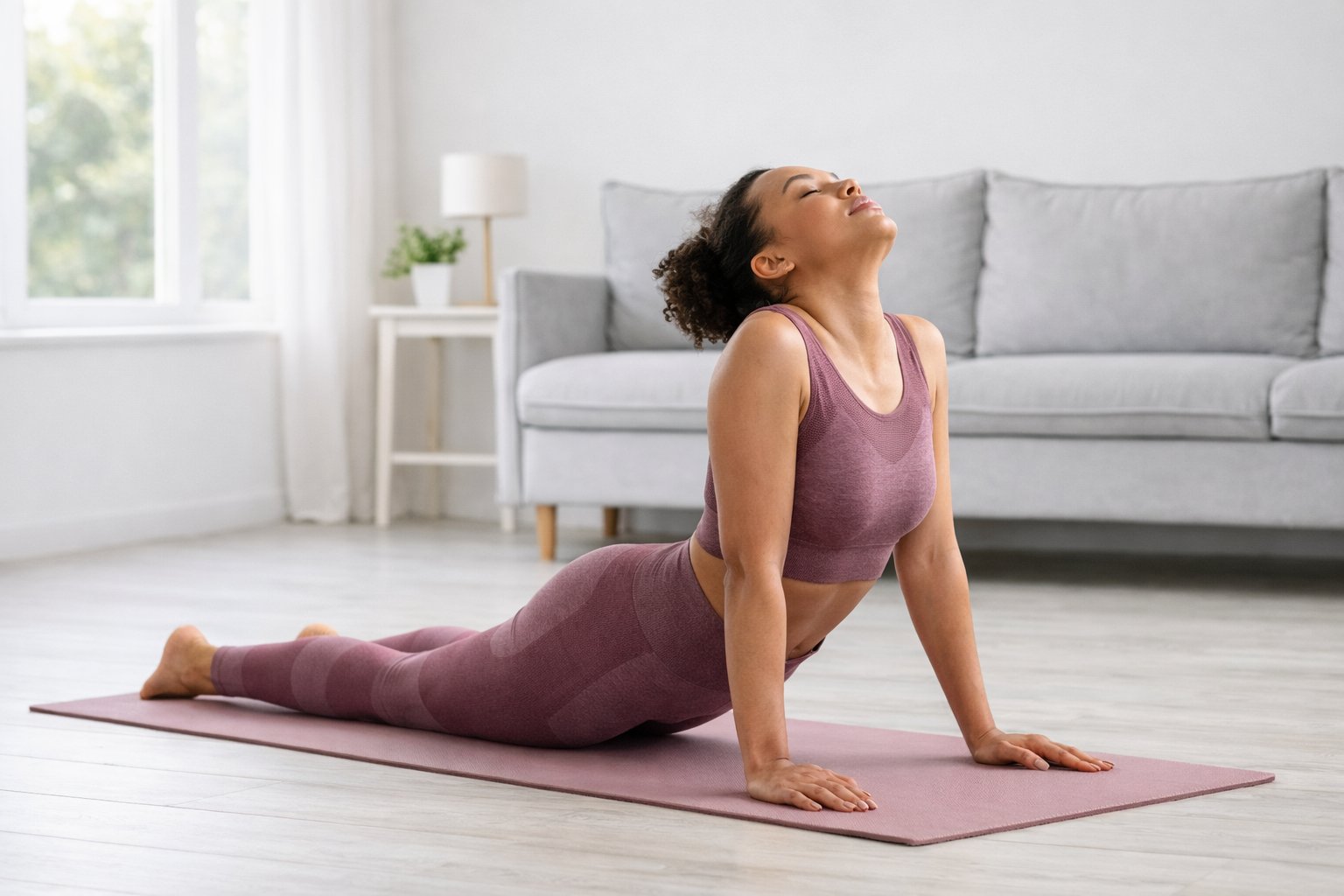
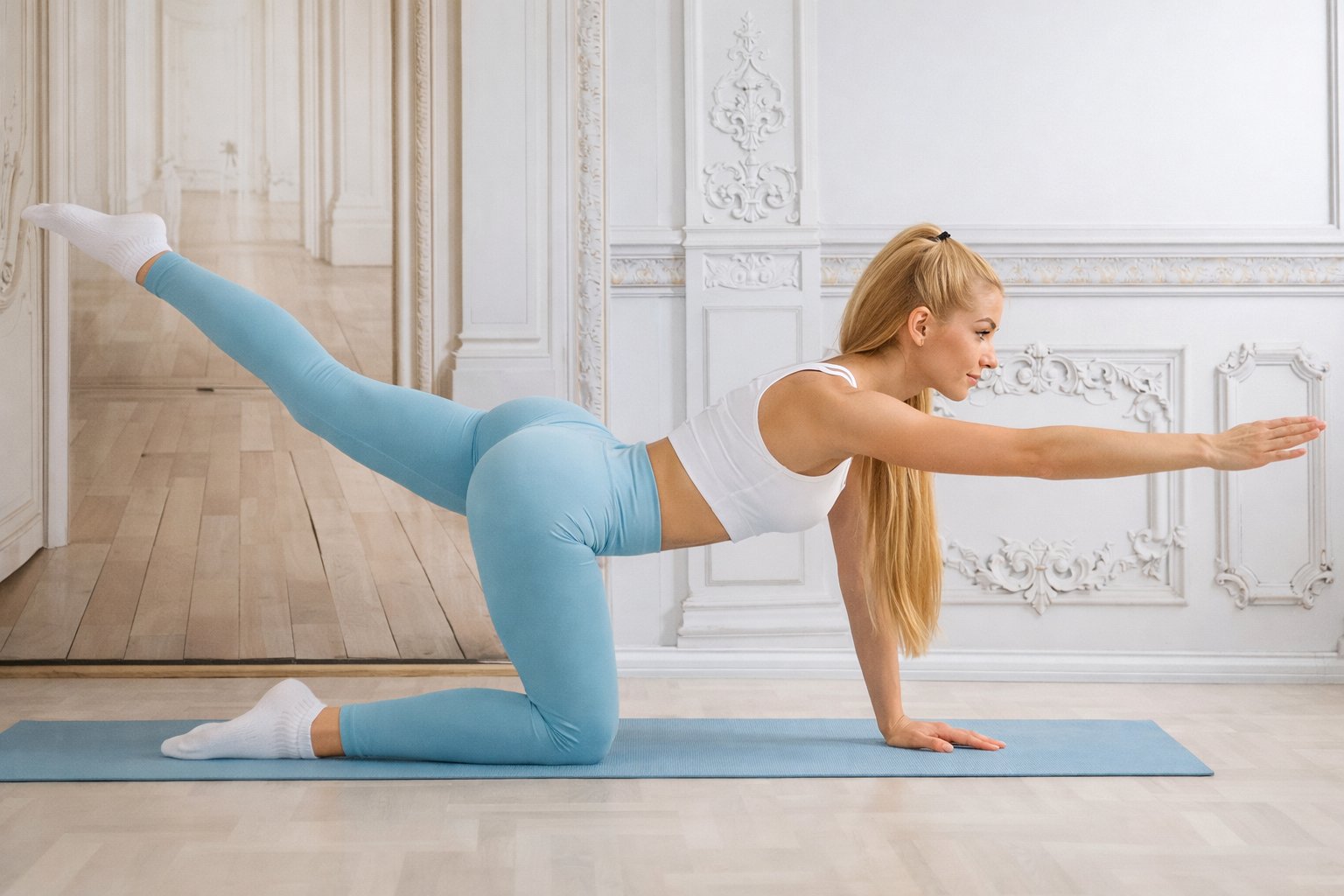
Mat Pilates is highly accessible and can often be practiced daily because it relies primarily on body weight. This lower load allows for quicker muscle recovery compared to weighted resistance training.
Short home sessions are easy to fit into a morning routine. Fifteen minutes before breakfast can activate the core without requiring a commute to a studio.
Frequency for Reformer Pilates
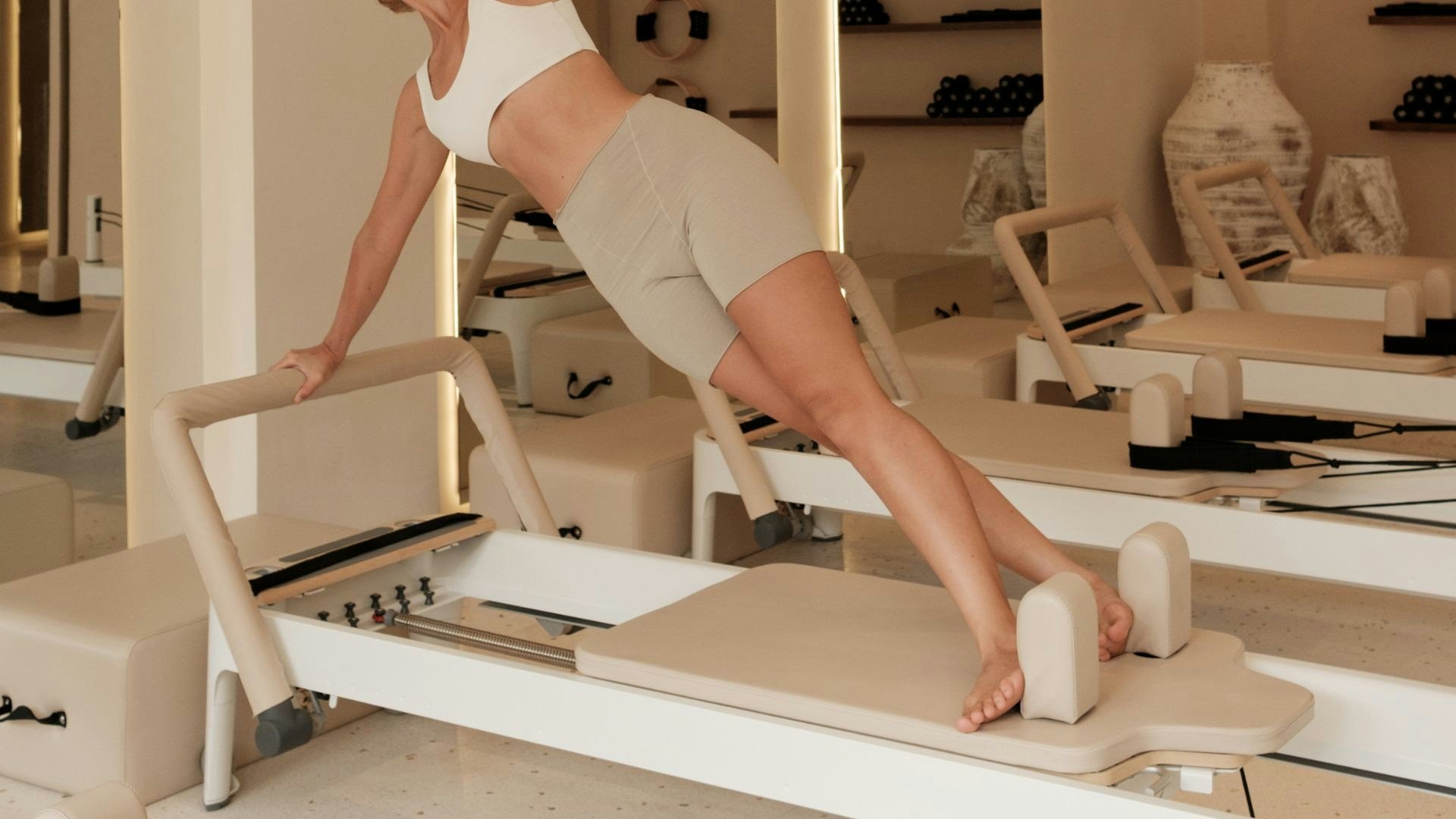
Reformer Pilates adds external resistance through springs, which often induces greater muscle fatigue. Rest days are more crucial after intense reformer classes to allow muscle fibers to repair and grow.

Most practitioners find that 2–3 reformer classes per week provide the right balance of challenge and recovery. Doing heavy reformer work daily may lead to overtraining if intensity is not modulated.
Mixing Modalities for Best Results
A hybrid approach often yields the best structural changes. A common schedule involves two studio reformer classes and one to two home mat sessions per week.
For those practicing at home, Nord Pilates offers personalized workout plans that adapt to your fitness level automatically. The app tracks progress across sessions, adjusting difficulty as core strength develops.
What sets it apart is the real-time form feedback that helps prevent the alignment mistakes common among self-taught practitioners. Mat sessions are an excellent opportunity to refine form on exercises that feel difficult on the reformer.
Progression: Scheduling for Beginners vs. Advanced Practitioners
A schedule that works for a seasoned practitioner may lead to fatigue or injury for a complete novice. It is crucial to scale your frequency as your strength and endurance improve over time.
Starting Out: The Beginner's Schedule
Beginners should aim for roughly two sessions per week to allow the body to adapt to new movement patterns. Focusing on form over volume is essential during the first four to six weeks of practice.
New practitioners often struggle with pacing when practicing alone. Using a guided resource such as Nord Pilates helps beginners adhere to a safe schedule while learning proper alignment through video demonstrations.
Ramping Up: Intermediate to Advanced
Advanced students can often handle four to six sessions a week because their bodies are conditioned to recover faster. These practitioners have the ability to perform 'split' routines, focusing on upper body one day and lower body the next.
The Role of Rest Days
Regardless of level, at least one full rest day is recommended to prevent overuse injuries. Active recovery, such as walking or gentle stretching, is preferred over complete inactivity to keep blood flowing.
Integrating Pilates with Other Workouts
Pilates is an excellent companion to other forms of exercise, but it requires strategic scheduling to avoid overtraining. Balancing flexibility work with strength and cardio ensures a well-rounded fitness regimen.
Pairing with Heavy Strength Training
Pilates can be scheduled around gym days to enhance mobility without interfering with muscle growth. Doing Pilates on rest days from lifting acts as active recovery.
Alternatively, it can serve as a comprehensive warm-up. For example, a leg day on Monday can be followed by a Pilates flow on Tuesday to lengthen tightened muscles.
Scheduling Around Cardio Sessions
Pilates can be done on the same day as light cardio or on alternate days to high-intensity intervals. Using the 'hard-easy' principle helps manage energy levels effectively throughout the week.
Optimizing Home Practice
Maintaining consistency often requires the flexibility of home workouts. Nord Pilates simplifies this process by providing audio and video step-by-step workouts that fit into tight schedules.
The platform offers daily habit trackers and fitness challenges to keep motivation high when you cannot reach a studio. By following a personalized pilates plan, you ensure that home sessions are just as effective as class attendance.
Quick Morning Activation
Here is a simple activation sequence using Nord Pilates for busy mornings:
Sequence Steps
- Select routine - Choose a 'Morning Mobility' flow from the app library.
- Breath focus - Follow the audio cues to synchronize breath with movement.
- Core engagement - Complete the 10-minute ab series to wake up the powerhouse.
- Track progress - Log the session in the daily habit tracker to maintain your streak.
Sample Weekly Schedule Ideas
Balancing different modalities requires planning. Here are two common ways to structure your week.
| Day | Pilates Focused | Cross-Training |
|---|---|---|
Monday | Reformer (Strength) | Heavy Lifting |
Tuesday | Mat Pilates (Home) | Pilates (Mobility) |
Wednesday | Reformer (Flow) | HIIT / Cardio |
Thursday | Rest / Walk | Pilates (Core) |
Friday | Mat Pilates (Home) | Heavy Lifting |
Saturday | Active Recovery | Active Recovery |
Sunday | Rest | Rest |
Signs You Are Overtraining or Undertraining
Listening to your body is just as important as adhering to a schedule. Recognizing the subtle signals of fatigue or stagnation can help you adjust your frequency for long-term health.
Indicators of Overtraining
Persistent joint soreness, a decline in performance, or chronic fatigue are red flags. If joint pain persists for more than three days, it is wise to pause practice and assess your form.
Signs of Undertraining
Lack of progress in flexibility or difficulty maintaining core engagement often signals undertraining. Feeling like every session is a 'restart' suggests you may need to increase frequency by one session per week.
When to Dial Back
Life stress, illness, or injury recovery are valid reasons to modify frequency. Consistency means long-term adherence over months and years, not short-term intensity that leads to burnout.
The Final Take
The optimal frequency for Pilates practice ultimately depends on your personal goals and lifestyle. While three to four sessions per week is the gold standard for transformation, consistency is the most critical factor.
Whether you attend a studio or use Nord Pilates for home sessions, finding a rhythm that fits your life ensures long-term success. Start with a manageable schedule and scale up as your strength and endurance improve.
FAQ
Can I do Pilates every day?
Yes, provided you vary the intensity and focus of your workouts. Alternating between intense strength sessions and gentle stretching flows prevents muscle overuse.
How long does it take to see results from Pilates?
Many people feel a difference in posture within 10 sessions. Visible changes in muscle tone typically appear after 20 to 30 consistent sessions.
Is once a week enough for Pilates?
Once a week is beneficial for maintenance or as a supplement to other training. However, for significant changes in strength or flexibility, 2–3 times per week is generally recommended.
Should I do Pilates on rest days?
Gentle Pilates can serve as excellent active recovery on rest days. Avoid high-intensity reformer classes on days designated for full physiological rest.
Share this post