Pilates Vs Weight Training: Which Method Best Suits Your Goals In 2026?
By:Author:Nord Pilates Editorial
Updated on:October 20, 2026
Building a balanced physique often involves navigating conflicting advice about the best training methods. Pilates and weight training are frequently pitted against each other, yet they serve fundamentally different purposes in a well-rounded fitness regimen.
Understanding how each modality impacts your biology is essential for selecting the right path. This guide explores the mechanisms, benefits, and optimal applications of both disciplines to help you make an informed choice.
Key Differences At A Glance
Understanding the fundamental distinctions between these two modalities is the first step in optimizing your routine. While both improve fitness, they utilize different mechanisms of resistance and target different physiological adaptations.
Comparison Table: Pilates Vs. Weight Training
This overview highlights the primary structural differences between the two methods. Review these factors to see which aligns best with your current capabilities and resources.
| Feature | Pilates | Weight Training |
|---|---|---|
Primary Resistance | Springs / Bodyweight | Free Weights / Machines |
Main Goal | Endurance / Stability | Hypertrophy / Strength |
Impact Level | Low Impact | Moderate / High |
Muscle Focus | Deep Core / Stabilizers | Major Muscle Groups |
Primary Mechanism | Time Under Tension | Progressive Overload |
Identifying Your Primary Goal
Your immediate physical needs should dictate where you begin. If the goal is to increase raw strength numbers or muscle size significantly, weight training is generally non-negotiable.
Conversely, if the objective is to rehabilitate lower back pain or improve posture from a sedentary job, Pilates is often the superior starting point. Deciding on a primary focus helps filter out unnecessary noise in the fitness industry.
The Specific Benefits Of Pilates
Pilates is often celebrated for its ability to forge a strong connection between the mind and the muscles, particularly within the trunk and pelvic floor. Research suggests that consistent practice leads to significant improvements in functional movement patterns and deep muscular endurance.
Enhancing Deep Core Stability
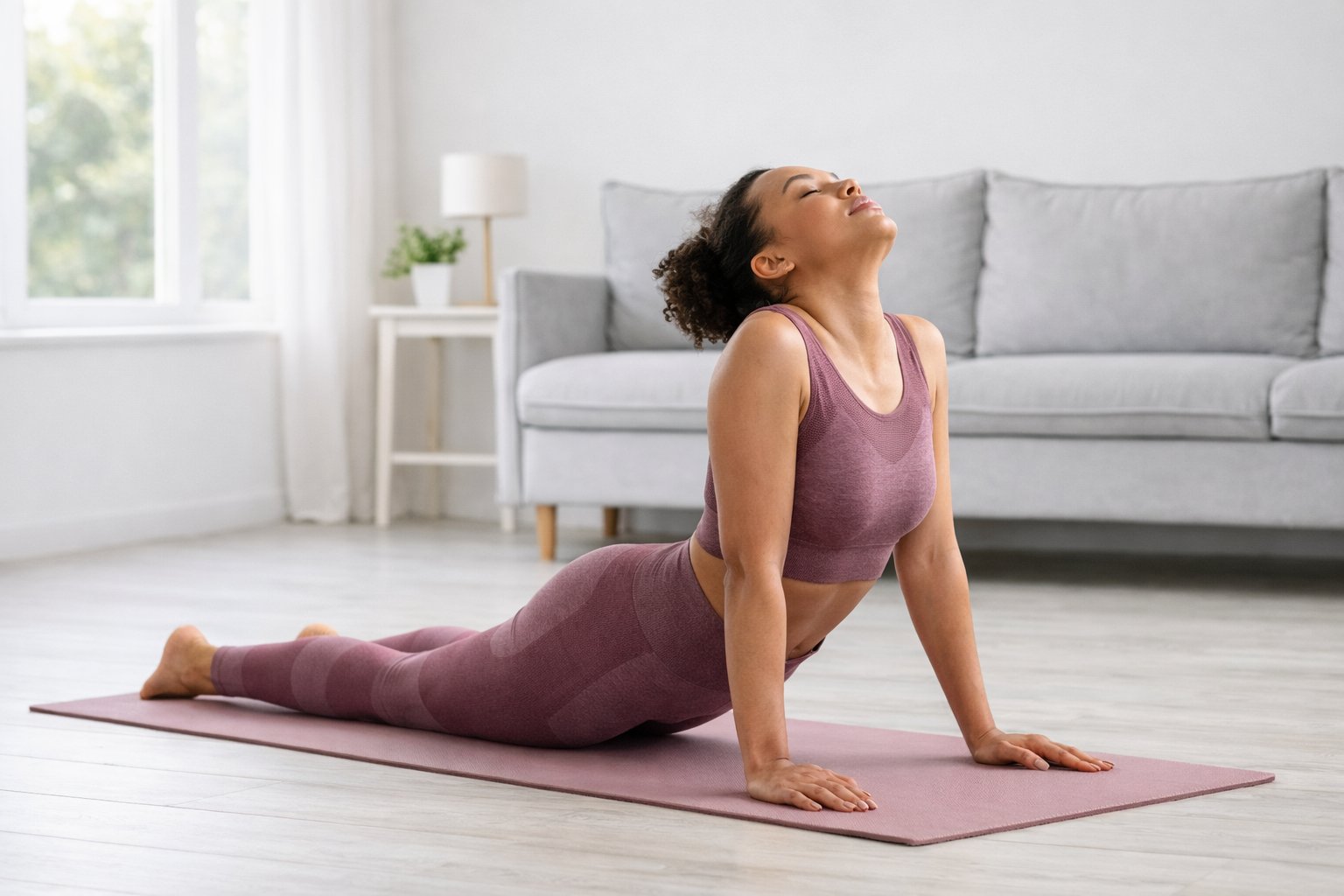
Pilates targets the transverse abdominis and pelvic floor more directly than many traditional lifts. This internal support system acts as a natural corset, protecting the spine during daily activities and heavier movements.
Evidence indicates that improved core stiffness correlates with reduced back pain and better load transfer. Strengthening these deep stabilizers creates a solid foundation for all other physical endeavors.
Improving Posture And Alignment
Modern sedentary lifestyles often lead to rounded shoulders and anterior pelvic tilt. Pilates exercises emphasize spinal articulation and neutral alignment to correct these common imbalances.
Users frequently report feeling 'taller' after sessions due to decompressed spinal discs and heightened body awareness. This postural correction helps mitigate the long-term risks associated with desk work.
Flexibility And Joint Mobility
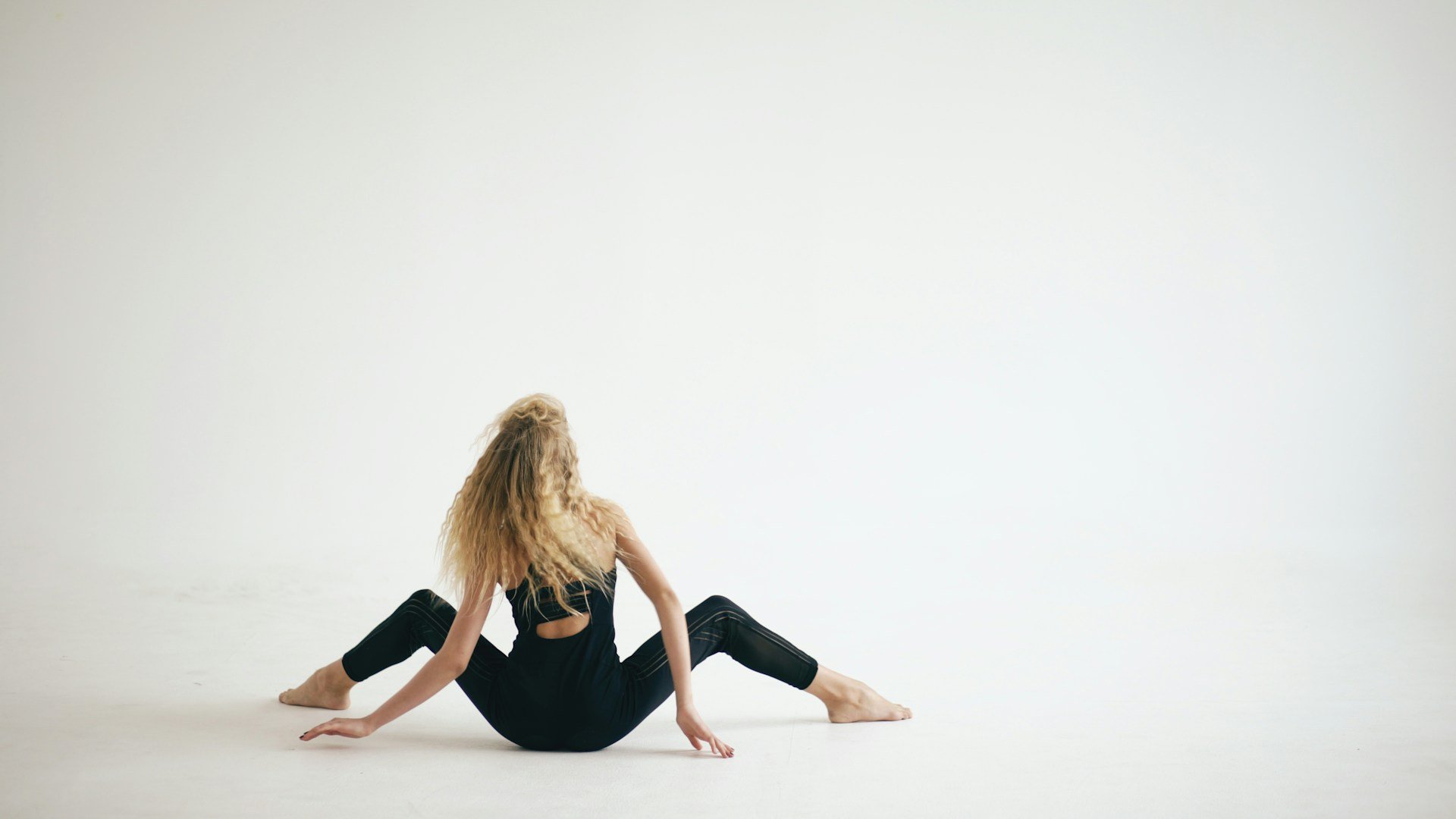
The dynamic stretching aspects of Pilates, particularly on the Reformer, promote flexibility while the muscles are engaged. Moving through a full range of motion under tension improves joint health and synovial fluid circulation.
Unlike static stretching, which relaxes the muscle, this active mobility work strengthens the end range of motion. This approach protects ligaments and reduces the risk of injury during sudden movements.
Guided Progression At Home
For those practicing outside a studio, maintaining proper form and progression can be challenging without an instructor. Nord Pilates addresses this by offering personalized workout plans that adapt to your fitness level automatically.
The app tracks progress across sessions, adjusting difficulty as core strength develops to ensure consistent improvement. What sets it apart is the audio and video step-by-step guidance that helps prevent alignment mistakes common among self-taught practitioners.
Daily habit trackers within the platform are particularly useful for building consistency in the first month. This structured approach bridges the gap between casual practice and a results-driven routine.
The Specific Benefits Of Weight Training
Lifting heavy weights triggers physiological adaptations that are difficult to achieve through bodyweight exercise alone. Experts recommend resistance training as a critical component for long-term metabolic health and structural integrity.
Maximizing Muscle Hypertrophy
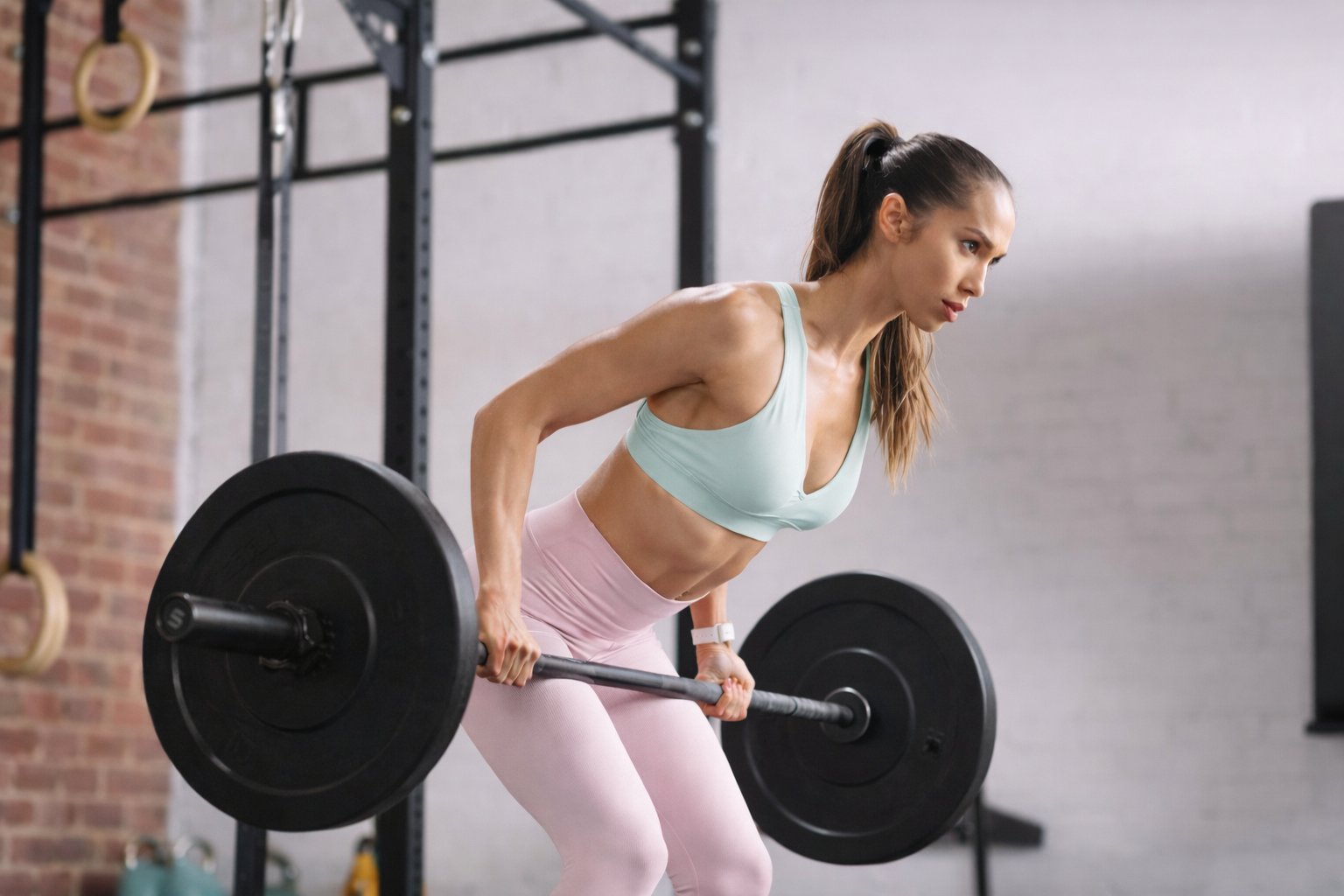
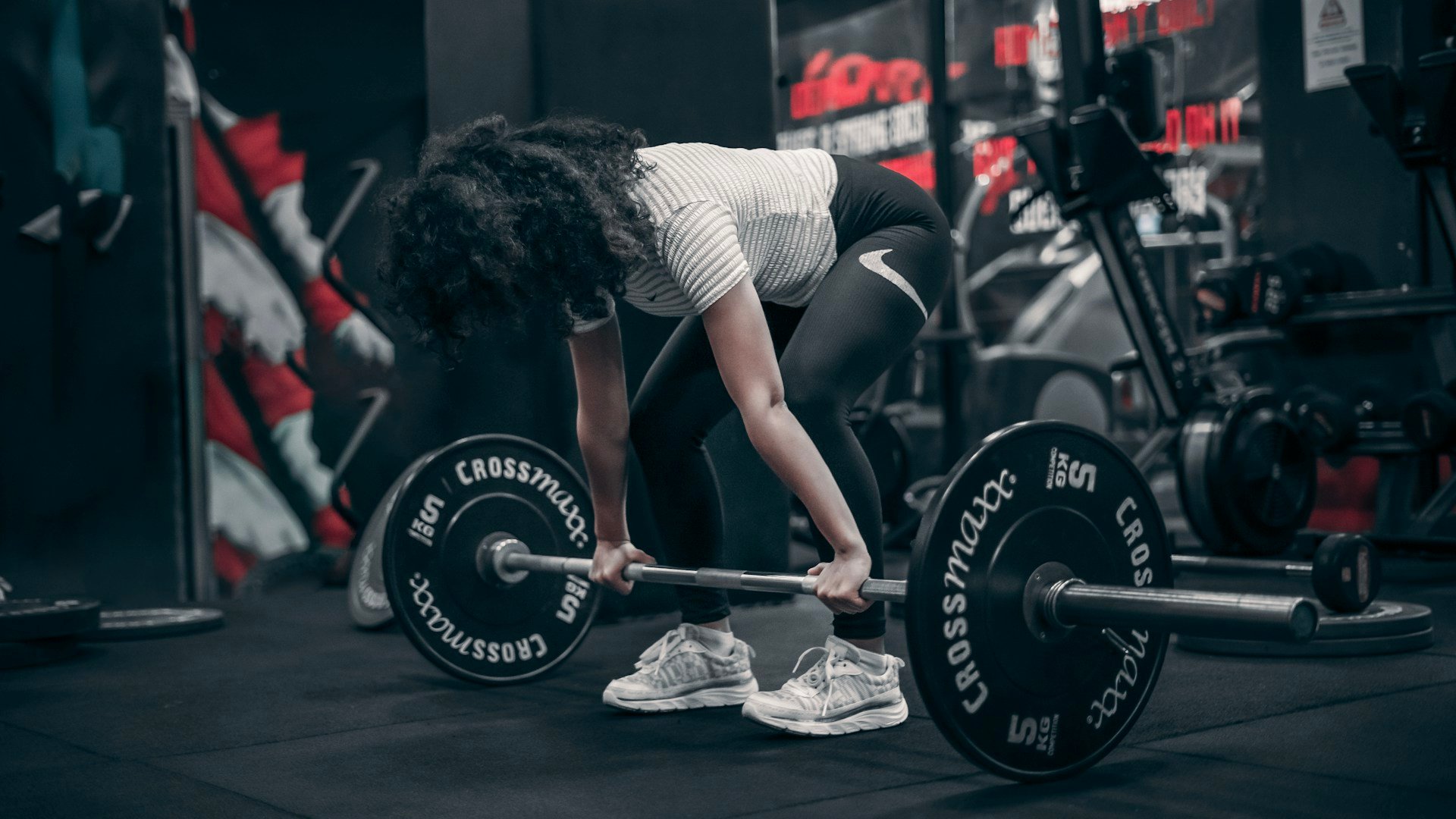
Hypertrophy is the growth of muscle cells, achieved most effectively through progressive overload with external weights. Weight training creates micro-tears in muscle fibers that repair stronger and larger during recovery.
Heavy loading requires proper form to avoid strain, so beginners should prioritize technique over weight. This process builds the visible muscle mass that changes body shape.
Increasing Bone Mineral Density
Axial loading, or placing weight on the spine and hips, plays an essential role in preventing osteoporosis. High-force resistance training stimulates bone remodeling more effectively than low-impact exercise.
Studies show this is vital for adults over 30, as bone density naturally begins to decline. Lifting weights signals the skeletal system to reinforce its structure against the imposed demand.
Boosting Metabolic Rate
Muscle tissue burns more calories at rest than fat tissue, influencing long-term metabolic rate. Weight training induces EPOC (Excess Post-exercise Oxygen Consumption), keeping metabolism elevated for hours after the session.
This afterburn effect aids in weight management more effectively than many forms of steady-state cardio. Building lean mass creates a metabolic engine that works around the clock.
Comparing Results: What To Expect From Each
Your body adapts specifically to the demands placed upon it, meaning Pilates and lifting produce different aesthetic and functional outcomes. Evaluating your primary goals—whether that is changing body composition or rehabilitating an injury—will guide your decision.
For Weight Loss And Body Composition
Cardio-heavy Pilates burns calories during the act, but weight training builds the metabolic machinery that burns fat long-term. A focus on lifting often yields faster composition changes due to the metabolic cost of muscle tissue.
However, apps like Nord Pilates enhance the weight loss potential of Pilates by including meal suggestions and fitness challenges. Integrating nutrition tracking with movement ensures a caloric deficit is maintained without sacrificing energy.
For 'Toning' Versus Building Mass
The fitness industry term 'toning' essentially refers to muscle visibility, which requires low body fat and some muscle development. Pilates tends to build leaner-looking muscles due to high-repetition eccentric contractions.
Heavy lifting builds volume and density, creating a more sculpted and athletic look. Neither method will make you 'bulky' inadvertently, as significant size requires specific nutritional surpluses.
For Injury Rehabilitation
Physical therapists often prescribe Pilates first for rehab due to its low-impact nature and closed-chain kinetic movements. These exercises allow for strengthening injured areas without harmful joint shear.
Acute pain during any exercise requires professional assessment before continuing. Pilates provides a safe environment to re-establish movement patterns before adding heavy loads.
For Athletic Performance
Weight training provides the explosive power and force production needed for sprinting or jumping. Pilates offers the rotational control and core stability required to transfer that power efficiently through the body.
Elite athletes typically utilize both methods to maximize performance and minimize injury risk. A strong core allows the limbs to generate more force without compromising the spine.
How To Combine Pilates And Weight Training
Integrating both disciplines creates a synergistic effect that covers all bases: strength, mobility, and stability. A well-structured routine prevents burnout and ensures that flexibility gains from Pilates support your range of motion in the weight room.
Structuring A Weekly Split
A balanced schedule might follow a '3+2' method, involving three days of lifting and two days of Pilates. This allows you to alternate high-intensity lifting days with lower-impact Pilates sessions to manage central nervous system fatigue.
Nord Pilates offers varied session lengths that fit easily into these secondary days. You can select shorter, focused flows that target recovery or core activation without overtaxing your system for the next lifting day.
Sequencing Workouts On The Same Day
If doubling up is necessary, recommend doing weight training first when energy stores are highest. Lifting heavy loads requires maximal neural drive for safety and effectiveness.
Pilates works excellently afterwards as a cool-down or core finisher to reset alignment. Alternatively, a short mat Pilates sequence can serve as a dynamic warm-up to activate the glutes and abs.
Using Pilates For Active Recovery
A gentle flow or Reformer session can flush lactate and improve blood flow on 'off' days from lifting. This active recovery maintains consistency without leading to overtraining.
It is important to avoid high-intensity power Pilates on rest days needed for muscle repair. Focus on mobility and breath work during these sessions to facilitate healing.
Practical Mini-Sequence
You can use Nord Pilates to run a quick recovery protocol after a heavy leg day. Here is a simple flow to restore mobility:
Post-Lift Reset
- Select 'Relief' - Choose a lower-intensity recovery flow in the app.
- Spinal articulation - Perform 2 minutes of guided cat-cow or pelvic tilts.
- Hip opening - Follow the audio cues for deep hip flexor releases.
- Cool down - Finish with the guided breathing section to downregulate the nervous system.
Adjusting Volume For Progress
Monitoring total volume is essential to avoid stalling progress. If lifting heavy four times a week, a high-intensity Pilates class might be excessive.
Adjust the intensity of the Pilates sessions based on the current phase of the weight training cycle. Periodization ensures that both modalities support rather than hinder one another.
The Final Take
Choosing between Pilates and weight training does not have to be a binary decision. While weight training is superior for raw strength and bone density, Pilates offers unmatched benefits for core stability, posture, and injury prevention.
Most individuals find that a hybrid approach yields the most functional and aesthetic results. By leveraging tools like Nord Pilates alongside a structured lifting routine, you can build a body that is not only strong but also resilient and mobile.
FAQ
Is Pilates considered strength training?
Yes, Pilates is a form of strength training, but it focuses on muscular endurance and stability rather than maximal force. It uses springs and body weight for resistance, which strengthens muscles differently than heavy iron.
Can I build muscle doing only Pilates?
You can build muscle tone and definition, especially if you are new to training or use a Reformer with heavy resistance. However, for significant hypertrophy (muscle size), traditional weight lifting is more effective.
Should I do Pilates or weights for belly fat?
A combination is often best. Weights build metabolic tissue that burns calories at rest, while Pilates strengthens the transverse abdominis to flatten the appearance of the stomach. Nutrition remains the primary driver for fat loss.
How often should I do Pilates if I lift weights?
Two to three sessions per week is typically sufficient to see benefits in mobility and core strength without interfering with lifting recovery. Listen to your body and adjust frequency based on energy levels.
Share this post