The Different Types of Pilates: A Complete Guide for 2026
By:Author:Nord Pilates Editorial
Updated on:October 20, 2026
Pilates transforms your body composition in ways that traditional cardio and weightlifting often cannot match. This low-impact discipline builds deep core strength while improving flexibility and posture.
The method has evolved significantly since its inception, branching into various styles that cater to different needs. Finding the right type involves understanding the equipment, intensity, and philosophy behind each class.
Key Differences at a Glance
While all forms of Pilates share a foundation in breath work and control, they differ significantly in execution. Some classes focus on relaxation and rehabilitation, while others push muscles to total failure.
The table below outlines the primary distinctions between the most common styles. This comparison helps you quickly identify which category aligns with your current fitness level.
| Style | Primary Focus | Equipment | Intensity |
|---|---|---|---|
Mat Pilates | Fundamentals/Core | Mat Only | Moderate |
Reformer | Resistance/Length | Reformer Machine | Mod to High |
Classical | Original Order | Full Studio | High |
Clinical | Rehabilitation | Various Props | Low/Custom |
Contemporary | Biomechanics | Mixed Props | Varied |
Beyond these broad comparisons, the most significant division in the Pilates world lies in the teaching philosophy. Understanding the instructor's background often clarifies what to expect from a session.
The Two Main Methodologies: Classical vs. Contemporary
Before selecting a class, it is helpful to understand the philosophical approach of the studio. This dictates the flow, order of exercises, and even the equipment settings used during the workout.
Classical Pilates
Classical Pilates strictly follows the system developed by Joseph Pilates, originally called 'Contrology'. This style adheres to a specific sequence of the original 34 exercises performed in a precise order.
The aim is to preserve the founder's original intent and challenge the body through rigorous flow. Transitions between exercises are viewed as part of the workout itself to maintain an elevated heart rate.
Contemporary Pilates
Contemporary Pilates represents a modernization of the original method, integrated with up-to-date research on biomechanics. This style allows for more variation and creativity in sequencing.
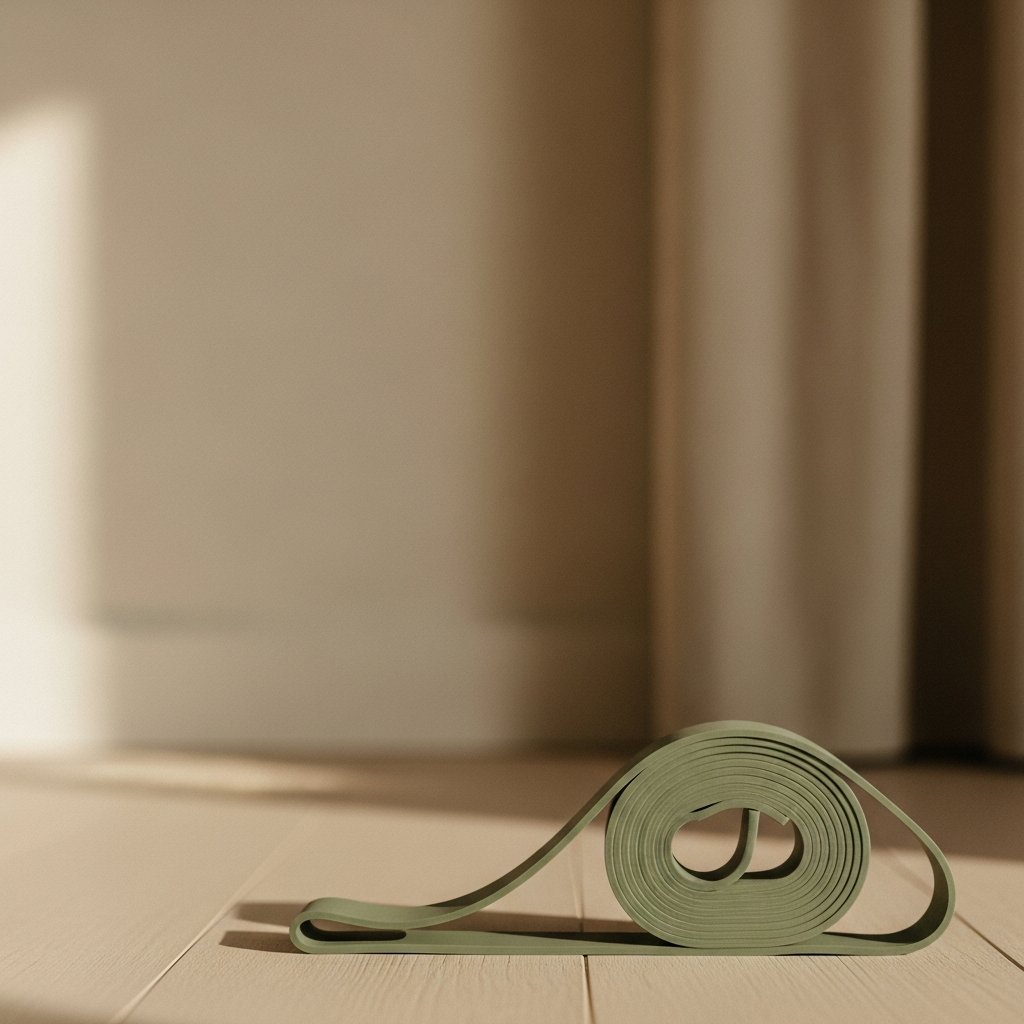
Instructors often use modern props like resistance bands or foam rollers to suit different body types. It is generally more adaptable for general fitness populations than the strict classical format.
Clinical Pilates
Clinical Pilates is a specific subset often taught by physiotherapists or specialized instructors focused on injury management. Exercises are highly customized to the individual's pathology rather than a set routine.
If you are recovering from surgery or managing chronic pain, a clinical assessment is recommended before joining a group class. This ensures that movement patterns are corrected safely without aggravating existing conditions.
Structured Home Practice
For those unable to attend studio sessions, digital platforms offer a bridge to consistent training. Nord Pilates provides a personalized Pilates plan that adapts to your specific fitness level and goals.
The app delivers effective guided workouts that ensure you follow the correct pacing and form, which is critical for safety. Users also benefit from exclusive expert content that breaks down complex movements into manageable steps.
By incorporating audio and video step-by-step workouts, Nord Pilates replicates the guidance of an instructor in a home setting. This structure helps build confidence before transitioning to equipment-based classes.
Equipment-Based Pilates Formats
The apparatus used in a session significantly changes the resistance profile and difficulty of the exercises. While many beginners start on the floor, specialized machines offer unique benefits for alignment.
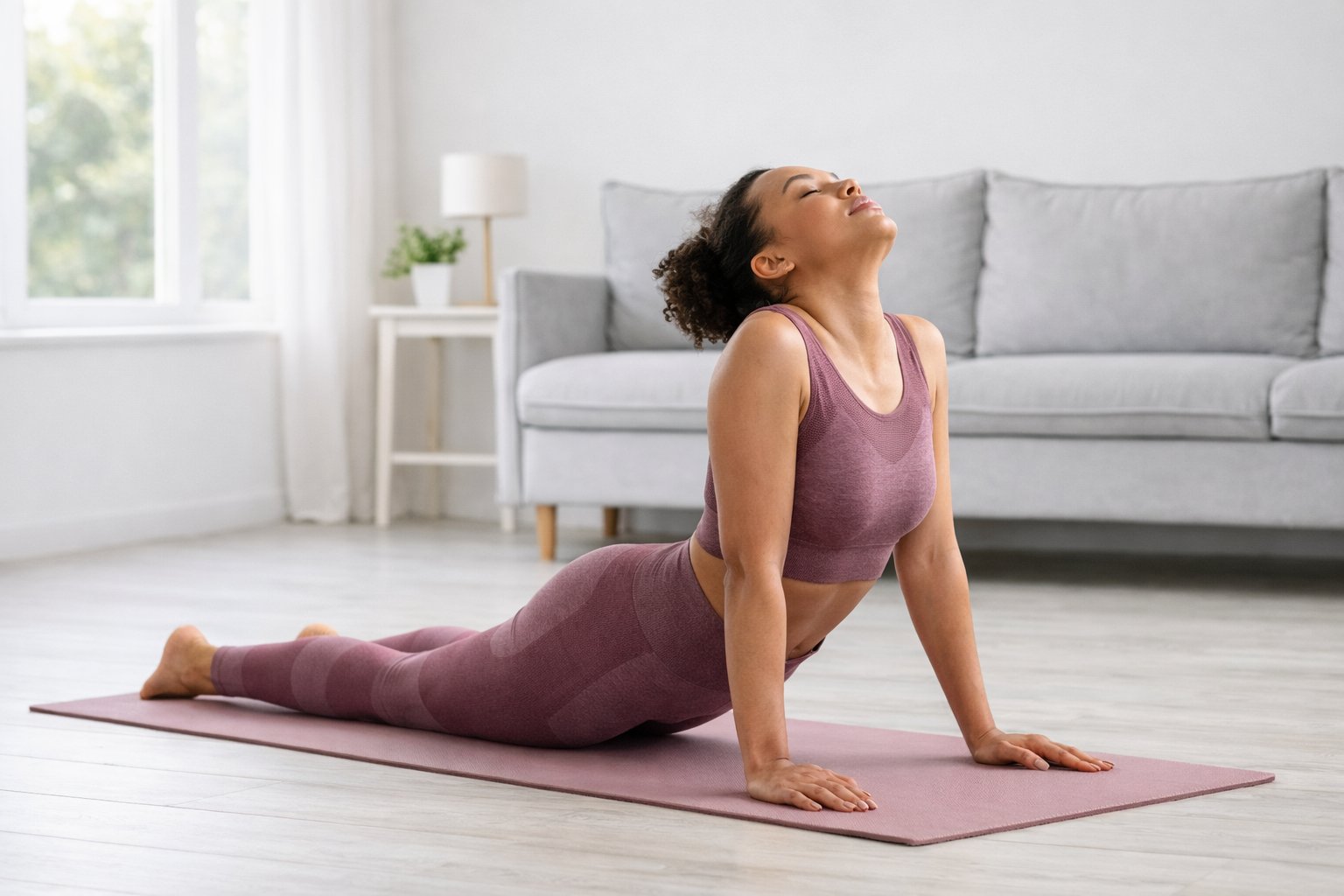
Mat Pilates
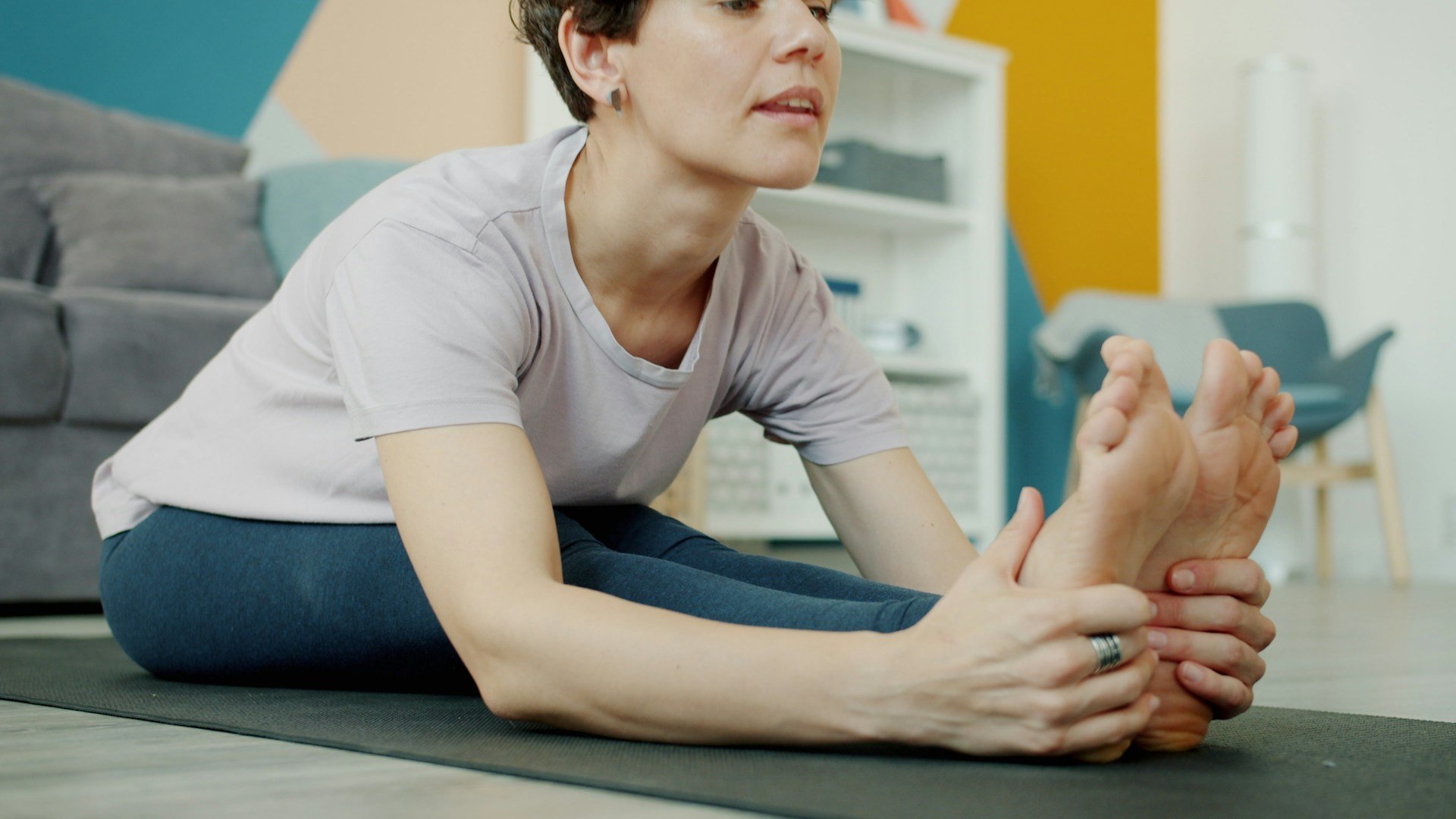
Mat Pilates is the most accessible form, relying on body weight and gravity for resistance. While it may appear simple, research suggests it is highly effective for building foundational core strength.
Classes frequently include small props like magic circles or balls to increase intensity. For home practitioners, apps like Nord Pilates enhance this experience by providing daily habit trackers to monitor consistency.
Reformer Pilates
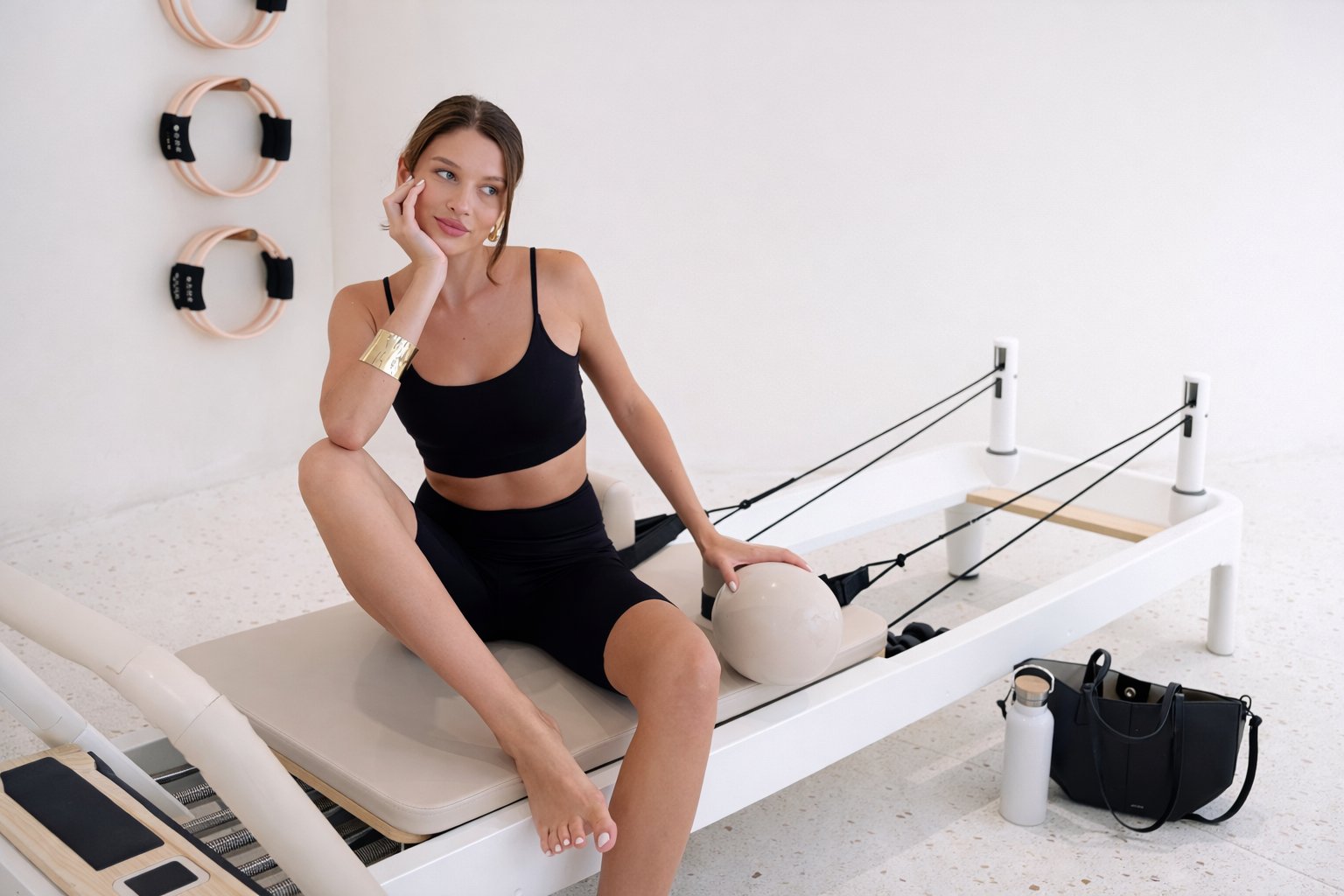
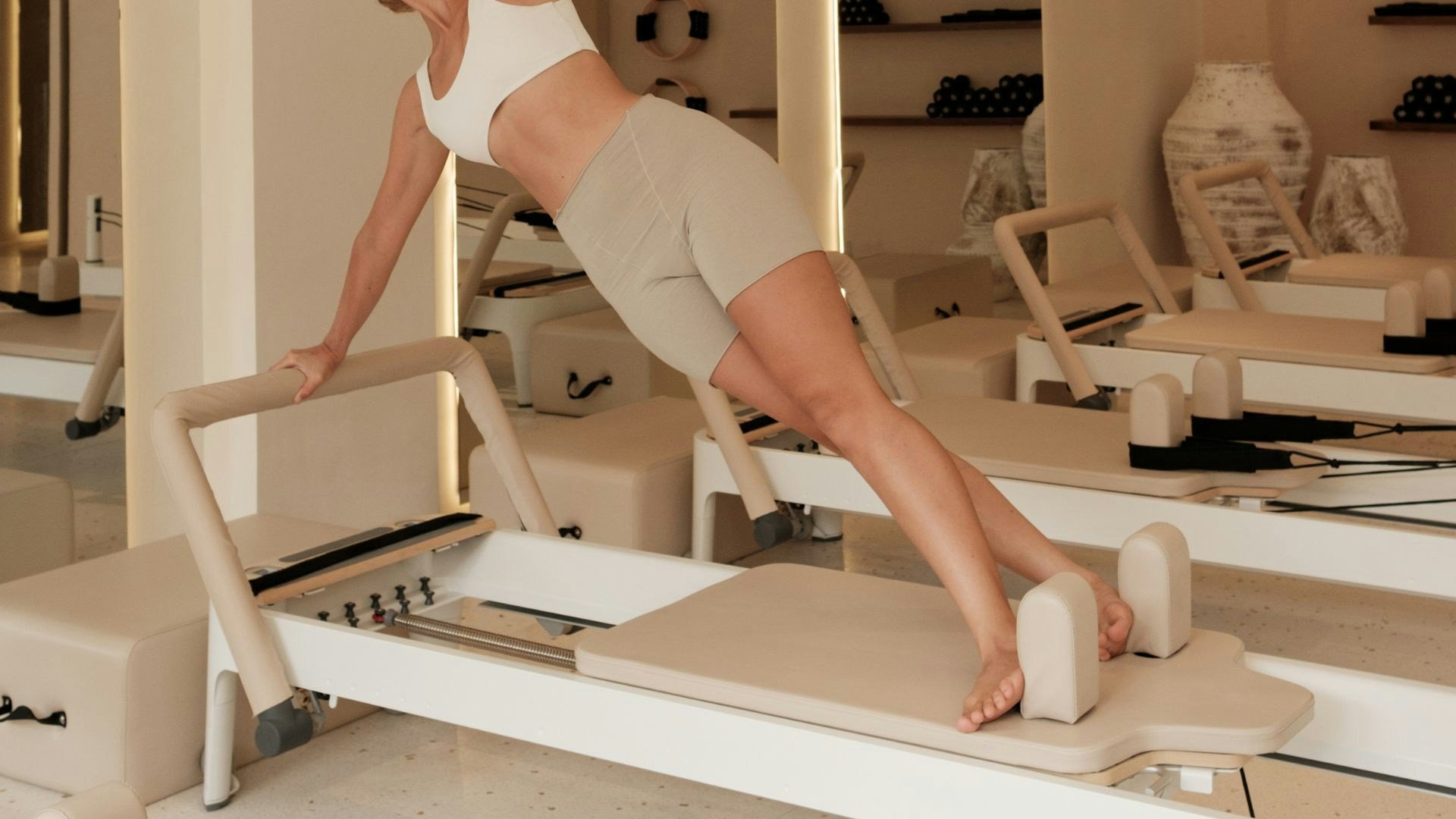
The Reformer is a bed-like frame equipped with a sliding carriage, springs, and ropes. The spring system provides both resistance and assistance, making it excellent for lengthening muscles.
This type is often preferred for those who need feedback from the equipment to maintain proper form. It allows for a greater range of motion than is typically possible on a mat.
Cadillac and Tower Pilates
The Cadillac, also known as the Trapeze Table, is an elevated structure that allows for aerial-style leg springs. It supports distinct arm exercises that open the hips and chest effectively.
The Tower is a smaller counterpart often used in group classes. These machines are popular in private training for targeted spine mobilization and advanced flexibility work.
Wunda Chair Pilates
The Wunda Chair, or Stability Chair, is a compact piece of equipment with a heavy-tension pedal system. It challenges balance and stability more intensely than the Reformer because the base of support is smaller.
Exercises here often involve standing or piking, requiring significant control. It is generally considered ideal for intermediate to advanced practitioners looking to increase power.
Ladder Barrel and Spine Corrector
These barrel-shaped pieces of equipment are designed specifically for spinal extension and flexibility. The rigid, curved surfaces support the back during deep stretches and abdominal work.
They help counteract the hunched posture often associated with sedentary desk work. This equipment is rarely used for a full class but rather for specific finishing exercises.
Branded and Hybrid Pilates Styles
Over the decades, specific schools have merged Pilates principles with other disciplines to create unique workout experiences. These styles often prioritize specific outcomes like athletic conditioning or fascia release.
Stott Pilates
Stott Pilates is a highly respected contemporary brand known for its strict adherence to modern anatomical principles. It emphasizes a 'neutral spine' alignment rather than the classical 'imprinted spine'.
This method is widely used in training instructors for rehabilitation contexts. It focuses heavily on scapular stability and pelvic placement before adding load.
Winsor Pilates
Winsor Pilates was popularized by Mari Winsor and focuses on 'dynamic sequencing' for cardiovascular benefits. It gained fame through home video markets by promising faster weight management results.
The method keeps the body moving constantly to burn more calories. It simplifies complex classical moves to make them accessible to a broader audience.
Hybrid Styles: Yogalates and Pilates HIIT
Modern hybrids blend Pilates with other formats to maximize efficiency. Yogalates combines the flexibility of yoga with the core strengthening of Pilates for a balanced flow.
Pilates HIIT increases the tempo and load to burn more calories and build endurance. These classes often use timers and circuits rather than rep counts.
Supporting Your Routine
Regardless of the style chosen, nutrition plays a key role in supporting recovery and muscle tone. Nord Pilates simplifies this aspect by offering meal suggestions that align with your physical training.
The app's fitness challenges also provide the structure needed to stay consistent with these hybrid formats. Integrating tracking ensures you do not overtrain while pursuing varied fitness goals.
How to Choose the Right Type for Your Goals
Selecting the optimal Pilates variation depends on your fitness level, injury history, and specific physical targets. Experts recommend matching the class type to your immediate needs rather than defaulting to the most popular trend.
Best for Complete Beginners
Introductory Mat Pilates or a private Reformer session are the best starting points. These formats allow instructors to teach the fundamental 'Pilates breathing' and pelvic alignment required for safety.
Mastering these basics is essential before adding complex loads or speed. A strong foundation prevents compensatory patterns that can lead to injury later.
Best for Injury Recovery and Back Pain
Clinical Pilates or private sessions with a Stott-certified instructor are advisable for rehabilitation. Supervision is critical, as evidence supports Pilates for lower back pain relief only when form is strictly monitored.
Generic group classes may move too quickly for someone managing an acute injury. Individual attention ensures modifications are applied correctly.
Best for Pregnancy (Prenatal Pilates)
Prenatal Pilates is a specialized modification of Mat or Reformer work designed for expectant mothers. It focuses on pelvic floor stability and avoids positions that compress the abdomen or vena cava.
Experts recommend seeking instructors specifically certified in prenatal care. The goal is maintenance and comfort rather than increasing intensity during this period.
Best for Weight Management and Toning
Hybrid Pilates, HIIT Pilates, or advanced Reformer classes are superior for calorie burn. The added resistance and higher intensity elicit a greater metabolic response than slow-paced restorative classes.
For those training at home, combining these high-intensity sessions with tools like Nord Pilates maximizes results. The platform offers personalized low-impact pilates workouts for home that keep the heart rate up without stressing joints.
Quick Start Sequence with Nord Pilates
If you are ready to start immediately, here is a simple activation sequence you can perform using the Nord Pilates app guidance:
Home Activation Routine
- Select 'Beginner Core' - Open the app and choose a 10-minute foundational session.
- Follow the Audio Cues - Listen for breathing instructions to engage the deep transverse abdominals.
- Check Your Form - Use the video reference to ensure your spine remains neutral during leg lifts.
- Log Your Progress - Mark the session complete in the daily habit tracker to build your streak.
Final Thoughts
Choosing the right type of Pilates ultimately comes down to your personal goals and physical condition. Whether you prefer the tactile feedback of the Reformer or the simplicity of Mat work, consistent practice yields lasting benefits.
For those seeking guidance without the studio price tag, digital tools provide a structured path forward. Using a resource like Nord Pilates ensures you have the roadmap needed to build strength safely at home.
FAQ
Is Mat or Reformer Pilates better for beginners?
Both have advantages, but Reformer Pilates often provides more feedback to help beginners find proper alignment. However, Mat Pilates is excellent for learning to control your own body weight.
Can you mix different types of Pilates?
Yes, mixing styles is beneficial for a well-rounded physique. Combining the resistance of the Reformer with the stability challenges of Mat work creates a balanced training week.
What is the difference between Yoga and Pilates?
Yoga generally focuses on flexibility, spiritual connection, and static holds. Pilates prioritizes core strength, spinal alignment, and dynamic controlled movement.
How often should I do Pilates to see results?
Most experts recommend practicing 2-4 times per week for noticeable changes in strength and posture. Consistency is more important than duration, so short daily sessions can also be effective.
Share this post