Does Pilates Build Muscle? The Science Of Strength And Tone
By:Author:Nord Pilates Editorial
Updated on:October 20, 2026
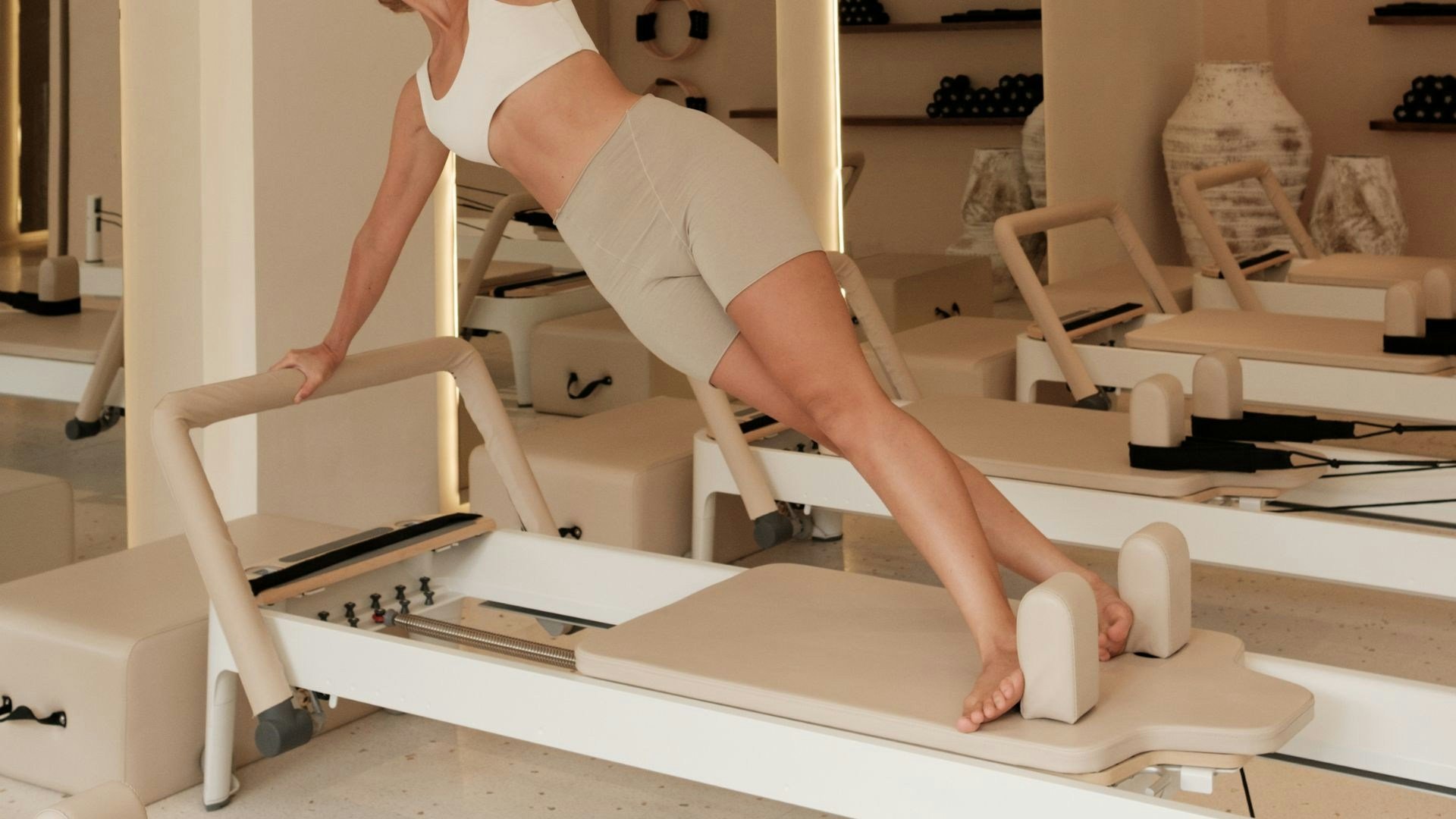
Pilates is often misunderstood as merely a stretching routine, but it generates significant mechanical tension that forces muscles to adapt and grow. You can absolutely build muscle with Pilates when you practice consistently and utilize the principles of progressive overload.
This discipline targets slow-twitch muscle fibers, creating a defined and toned physique rather than bulk. The following guide examines the physiological mechanisms at play and how to optimize your training for strength.
Pilates vs. Weightlifting: Key Differences At A Glance
Both modalities improve body composition, yet they utilize different physiological mechanisms to achieve results. Understanding these distinctions helps in setting realistic fitness goals for 2026.
Comparison Of Training Focus
Weightlifting typically isolates muscle groups to maximize fiber size through heavy loads. In contrast, Pilates integrates the whole body to maximize fiber efficiency and endurance.
| Feature | Pilates | Weightlifting |
|---|---|---|
Primary Goal | Endurance/Stability | Hypertrophy/Size |
Resistance Source | Springs/Gravity | Free Weights |
Muscle Activation | Whole-body Integration | Isolated Groups |
Typical Result | Lean/Defined | Bulky/Mass |
Understanding The Resistance Gap
Progressive overload is the gradual increase of stress placed upon the body during exercise. Traditional weightlifting allows for infinite load increases by simply adding heavier plates.
Pilates relies on spring tension and leverage, which limits maximum force potential but significantly increases functional control. This method strengthens the body through precise movement patterns rather than sheer weight.
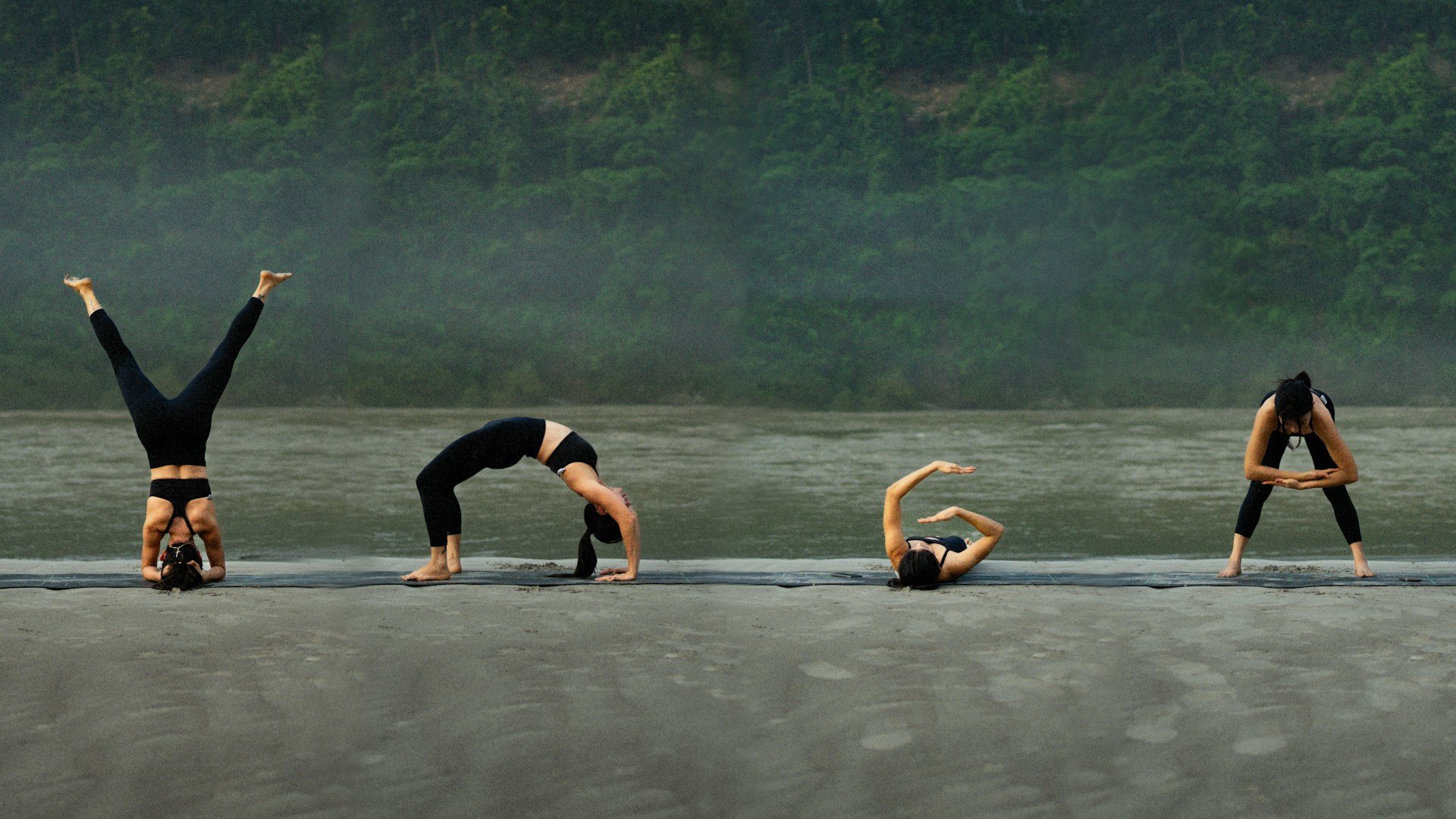
To understand how this strengthens the body without heavy weights, we must look at the specific physiological mechanisms at play.
The Science: How Pilates Stimulates Muscle Growth
Muscle growth does not strictly require dumbbells; it requires tension and fatigue to trigger adaptation. Experts point to several unique mechanical drivers in Pilates that force muscles to strengthen.
The Power Of Eccentric Contraction
Eccentric contraction occurs when a muscle lengthens under tension, such as resisting the return of the carriage on a Reformer. Research suggests that eccentric phases generate more micro-tears in muscle fibers than concentric phases.
This process stimulates repair and strength gains without requiring heavy external loads. It is a primary reason why practitioners feel significant soreness despite using lighter resistance.
Time Under Tension (TUT)
The slow, controlled tempo of Pilates keeps muscles engaged for longer periods per set compared to explosive gym movements. Sustained time under tension triggers metabolic stress in muscle tissue.
Maintaining this slow rhythm is essential for results but can be difficult to self-regulate. Apps like Nord Pilates assist here by providing audio-guided workouts that dictate the precise tempo needed to maximize tension.
Neuromuscular Adaptation And Fiber Recruitment
Pilates demands intense mental focus to stabilize the body, leading to higher motor unit recruitment. Early strength gains are often neurological, as your brain learns to fire more muscle fibers simultaneously.
Physiology Insight
Neuromuscular efficiency allows the body to generate more force without necessarily increasing muscle size.
Isometric Holds And Stabilizer Strength
Isometric contractions involve holding a position, such as the Hundred or a Plank, without changing muscle length. Research indicates that these holds strengthen deep stabilizer muscles that dynamic weightlifting might miss.
The equipment you choose also plays a significant role in how much resistance your muscles encounter during a session.
Mat vs. Reformer: Which Builds More Muscle?
Not all Pilates sessions offer the same potential for strength gains. The choice between gravity-based floor work and spring-loaded machines fundamentally changes the resistance profile.
Limitations Of Mat Pilates
Mat Pilates relies primarily on body weight and gravity to provide resistance. While effective for core endurance, the ability to trigger significant muscle growth can plateau once the body adapts.
To counter this plateau, structured progression is vital for home practitioners. Nord Pilates offers personalized plans that automatically adjust difficulty, ensuring that mat workouts remain challenging enough to stimulate growth.
The Hypertrophy Advantage Of The Reformer
The Reformer's spring system mimics external weights, providing a direct path to progressive overload. Adjustable spring tension allows for variable resistance that can be continually increased over time.
Variable Resistance Curves
Spring physics dictate that resistance increases as the spring stretches, unlike the constant weight of a dumbbell. This means the load peaks at the end of the range of motion.
Muscles are challenged most when they are fully contracted or extended, which is often their weakest point. This variable curve forces continuous adaptation throughout the entire movement.
Role Of The Wunda Chair And Cadillac
Other apparatuses like the Chair or Cadillac offer unique angles and resistance capabilities. Experts recommend these for advanced practitioners seeking higher resistance levels that rival light strength training.
While the equipment matters, the specific muscles targeted by these machines are what define the 'Pilates physique.'
Target Areas: Where Will You See Results?
Pilates is a full-body discipline, but it places disproportionate emphasis on the 'powerhouse.' Users often find specific muscle groups respond faster than others.
Deep Core And Abdominals
The practice focuses heavily on the transversus abdominis and obliques. Research shows Pilates is superior to standard crunches for activating deep abdominal layers.
Building these deep layers requires daily consistency rather than occasional intensity. The daily habit trackers in Nord Pilates help users maintain this frequency, leading to a tighter, corset-like core structure.
Posterior Chain Glutes And Hamstrings
Glute engagement is emphasized through bridging and leg strap work. While this lifts and shapes the glutes, it typically does not provide the sheer mass potential of a heavy barbell squat.
Postural Muscles And Back Extensors
Strengthening the erector spinae and scapular stabilizers corrects posture effectively. Strengthening these small muscles can make the chest appear broader and the waist smaller.
To move beyond basic toning and truly change body composition, you must approach your practice strategically.
Strategies To Maximize Muscle Growth With Pilates
If your goal is tangible strength gains, simply going through the motions is not enough. You must actively modify the practice to increase intensity.
Apply Progressive Overload
Adapt the progressive overload principle by using heavier springs or increasing the lever arm. Moving limbs further from the center creates more torque and difficulty.
Always prioritize perfect form before adding load to avoid injury. Small adjustments in positioning can drastically change the intensity.
Digital Tools For Structured Progression
Consistency and correct form are the biggest hurdles for home practitioners aiming for muscle growth. Nord Pilates addresses this by providing a personalized Pilates plan that evolves as your strength improves.
The app includes meal suggestions to support muscle recovery and fitness challenges to prevent plateaus. Having a structured roadmap ensures you are not just exercising, but training with intent.
Here is a simple way to structure a session using the app:
Routine Setup
- Select focus - Choose a strength-based workout in Nord Pilates.
- Follow audio - Adhere strictly to the guided tempo cues.
- Log completion - Use the habit tracker to monitor consistency.
- Review progress - Adjust difficulty based on weekly feedback.
Slow Down The Tempo
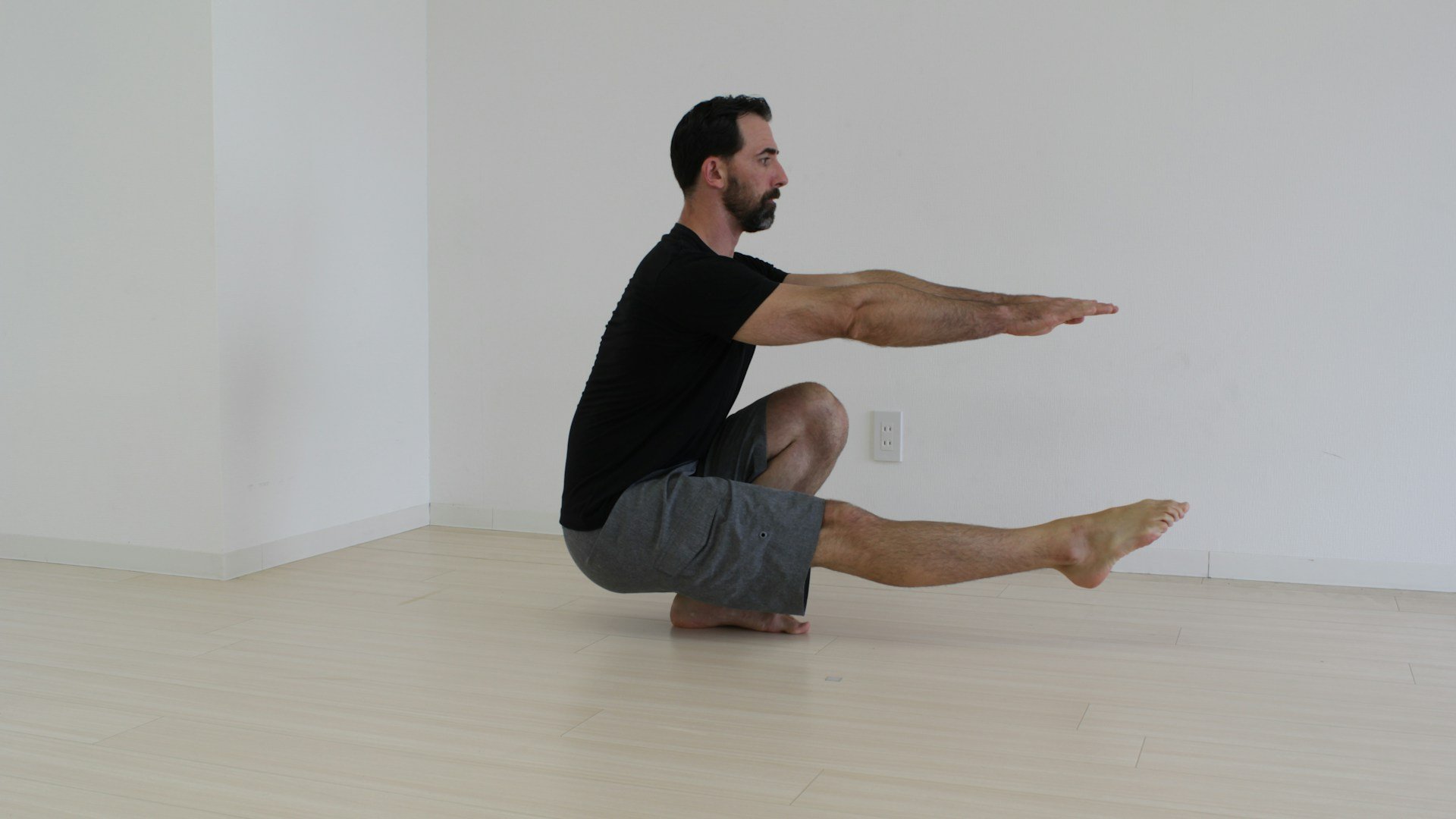
Slowing movements to a count of 4-in, 4-out eliminates momentum. Experts recommend this to force muscles to do 100% of the work and increase metabolic demand.
Reduce Rest Intervals
Minimize breaks between exercises to keep the heart rate up and muscles fatigued. Continuous movement creates a high-intensity environment that stimulates endurance fibers effectively.
Incorporate Props For Added Load
Add small props like the Magic Circle, resistance bands, or light hand weights. This external resistance bridges the gap between pure Pilates and traditional strength training.
Even with these strategies, it is important to separate marketing myths from physiological reality regarding body shape.
Addressing The 'Long And Lean' Myth
Marketing often claims Pilates lengthens muscles, but anatomically, muscle length is fixed by bone structure. What changes is how the muscle is held and defined.
Posture vs. Actual Length
Muscles cannot physically grow longer. The "longer" look comes from improved resting posture and reduced tension in tight areas.
Pilates builds strength without significant fluid retention or sarcoplasmic hypertrophy. This results in a look that is firm rather than bulky.
Body Composition Changes
Pilates contributes to fat loss while building lean tissue. Studies show that improving the muscle-to-fat ratio makes the body appear more streamlined, even if muscle volume hasn't drastically increased.
The Final Take
Pilates is a powerful tool for building lean muscle, improving posture, and enhancing overall body composition. By focusing on time under tension and progressive overload, you can achieve significant strength gains.
Whether on a mat or reformer, consistency is the primary driver of results. Tools like Nord Pilates simplify this journey by providing the structure and guidance needed to keep progressing.
FAQ
Is Pilates enough for strength training?
For general fitness and core stability, yes. However, for significant muscle mass increases, it is often best combined with heavier resistance training.
How long does it take to see muscle definition from Pilates?
Most practitioners notice core changes within 4-6 weeks of consistent practice. Visible definition in arms and legs typically follows after 8-12 weeks.
Can you get 'ripped' from Pilates alone?
Achieving a 'ripped' look depends heavily on body fat percentage and nutrition. While Pilates builds muscle, diet plays a major role in visible definition.
Does Pilates count as resistance training?
Yes, it is a form of resistance training. It uses springs, gravity, and body weight to create the resistance necessary for muscle strengthening.
Share this post