How Long To See Results From Pilates? A Realistic Timeline
By:Author:Nord Pilates Editorial
Updated on:October 20, 2026
Pilates often appears deceptively easy, leading many beginners to wonder when the physical payoff actually occurs. You can typically expect to feel a difference in your core strength within two to four weeks of consistent practice.
Visible changes, such as muscle definition and improved posture, generally appear after 10 to 12 weeks. This article outlines the physiological stages of a Pilates transformation and how to optimize your routine for faster results.
The Pilates Timeline: From First Class To Transformation
Understanding the progression of results helps set realistic expectations and maintains motivation during the early stages of training. Joseph Pilates suggested a specific cadence for transformation that aligns surprisingly well with modern exercise physiology.
The '30 Sessions' Benchmark
Joseph Pilates famously stated: 'In 10 sessions you'll feel the difference, in 20 you'll see the difference, and in 30 you'll have a whole new body.' This benchmark provides a helpful mental framework for new practitioners.
In a modern context, 30 sessions roughly corresponds to 10 to 12 weeks of effort if attending classes three times per week. This is the period required for significant physiological adaptation to occur.
The First Month: Neural Adaptation
During the first four weeks, the primary changes are neurological rather than structural. Your brain learns to recruit muscle fibers more efficiently, leading to rapid gains in coordination and balance.
Holding a plank for 45 seconds becomes possible not because muscles are significantly bigger, but because they are firing better. This phase lays the foundation for future hypertrophy.

Months Two And Three: Structural Changes
This is the hypertrophy phase where muscle fibers physically thicken and strengthen. Six to 10 weeks of consistent resistance is typically required for visible definition to emerge.
You may notice a tighter waistline, more defined triceps, or lifted glutes during this period. These changes indicate that your body composition is shifting.
Long-Term Progression: 6 Months And Beyond
After the initial transformation, the focus shifts from 'getting in shape' to maintenance and skill mastery. Long-term benefits include increased bone density and enduring flexibility.
Advanced moves like the 'Teaser' become accessible as core strength solidifies. While this timeline applies to the average practitioner, several variables can shorten or lengthen your personal journey.
Key Factors That Influence Your Pilates Results
Not everyone progresses at the same speed, as individual physiology and training habits play significant roles. Adjusting these variables can help you optimize your routine for faster, more sustainable outcomes.
Frequency And Consistency
Evidence suggests that three to four sessions per week is the 'sweet spot' for physical changes. A schedule of Monday, Wednesday, and Friday yields faster results than sporadic attendance.
Maintaining this frequency can be difficult with a busy lifestyle. Apps like Nord Pilates help solve this by offering daily habit trackers and personalized plans that keep you accountable when you cannot reach a studio.
Mat Pilates Vs. Reformer Pilates
The type of Pilates you choose impacts the speed of muscle growth. Reformer springs add external resistance that can accelerate hypertrophy compared to bodyweight-only Mat work.
Mat Pilates excels at building endurance and core stability but may take longer to build visible mass. The table below compares the key differences between these modalities.
| Feature | Mat Pilates | Reformer Pilates |
|---|---|---|
Resistance Source | Bodyweight & Gravity | Springs & Pulleys |
Primary Benefit | Endurance & Control | Strength & Power |
Intensity Level | Moderate | High (Adjustable) |
Equipment Needed | Mat (Optional Props) | Reformer Machine |
Nutrition And Body Composition
While Pilates builds muscle, visible definition often requires managing body fat percentage through nutrition. Abdominal muscles may be strong but remain covered without a caloric deficit.
Prioritizing protein intake supports muscle repair after intense sessions. Hydration is also critical for spinal health and tissue elasticity.
Current Fitness Level
Those with backgrounds in dance or athletics often progress faster due to existing body awareness. Sedentary beginners may need four to six weeks just to build foundational core strength.
Signs Of Progress You Might Overlook
It is easy to fixate on the mirror, but Pilates delivers profound functional benefits that often precede visual changes. Recognizing these non-aesthetic wins can confirm that your body is responding positively to the training.
Improved Posture And Alignment
Decompressed spinal discs and corrected pelvic alignment often make practitioners look taller. Friends may ask if you've grown or lost weight simply because you are standing one inch straighter.
This postural shift reduces the appearance of a protruding abdomen. It creates a longer, leaner silhouette even before fat loss occurs.
Reduced Back Pain And Stiffness
Reduced daily aches signify that core stabilizers are taking pressure off the spine. This is a clear indicator that the deep abdominal muscles are functioning correctly.
If pain increases during workouts, check your form immediately. Effective practice should alleviate discomfort, not cause it.
Enhanced Core Endurance
Everyday tasks becoming effortless is a major sign of progress. Sitting at a desk for four hours without slouching indicates deep abdominal activation.
You might also notice better balance when putting on shoes or climbing stairs. These functional improvements confirm neural adaptation is complete.
Mental clarity and stress relief are often the very first results users experience, typically occurring after just one session.
How To Accelerate Your Pilates Results
For those looking to shorten the timeline to visible definition, strategic adjustments to your routine can make a difference. Incorporating principles of progressive overload and complementary training ensures you avoid plateaus.
Prioritize Form Over Repetitions
A slight misalignment can disengage the target muscle entirely. Doing five perfect 'Hundreds' beats 100 messy ones for actual core development.
Slowing down the movement increases time under tension. This recruits more muscle fibers than rushing through the set.
Smart Digital Training Tools
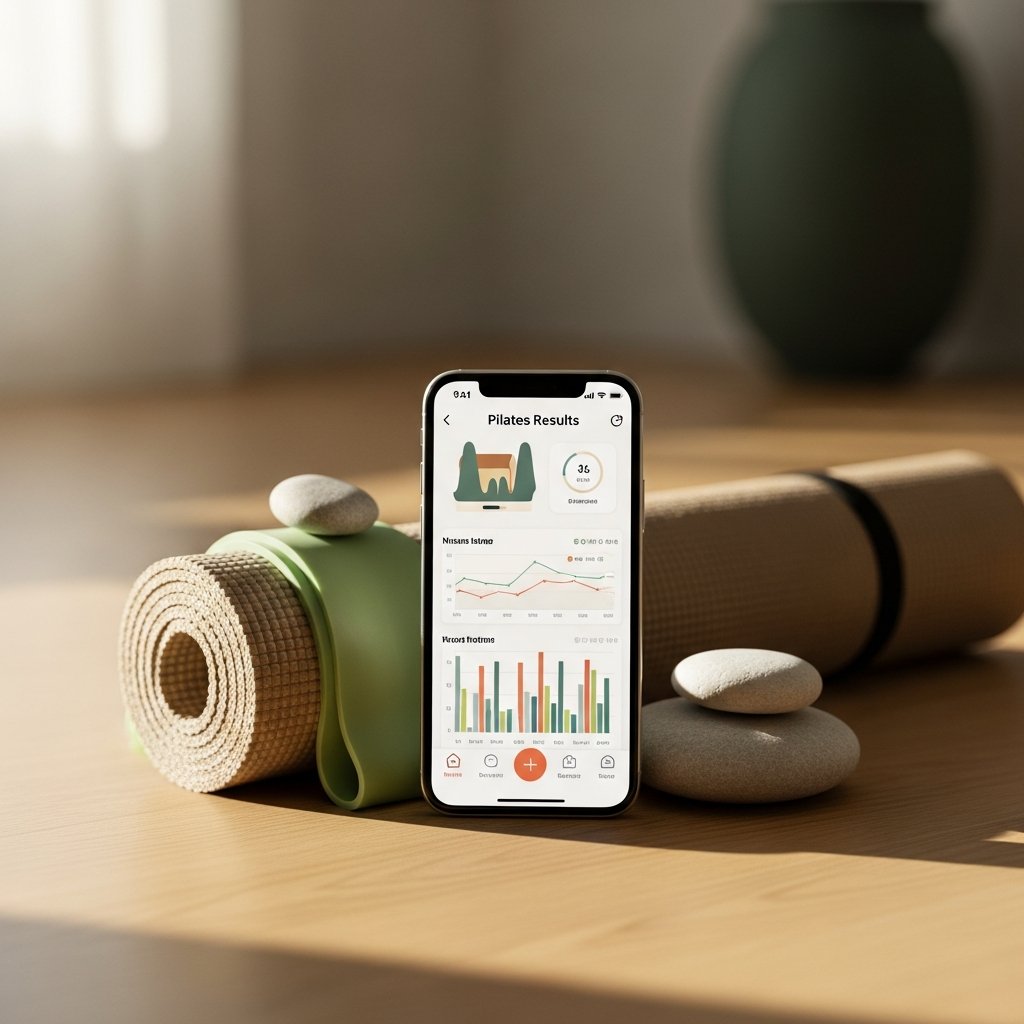
Structuring a home practice that rivals studio intensity can be challenging without guidance. Nord Pilates addresses this by generating personalized Pilates plans that adapt to your specific fitness level and goals.
The platform provides audio and video step-by-step workouts, ensuring you maintain the correct form required for results. By using their fitness challenges and meal suggestions, you can create a cohesive routine that covers both training and nutrition.
Quick Start Sequence
To effectively use Nord Pilates for a quick home session, follow this simple sequence:
Routine Setup
- Select your level - Input your current fitness status into the app.
- Follow the daily plan - Execute the guided workout for that specific day.
- Track completion - Log the session in the habit tracker to maintain your streak.
Combine With Cardiovascular Activity
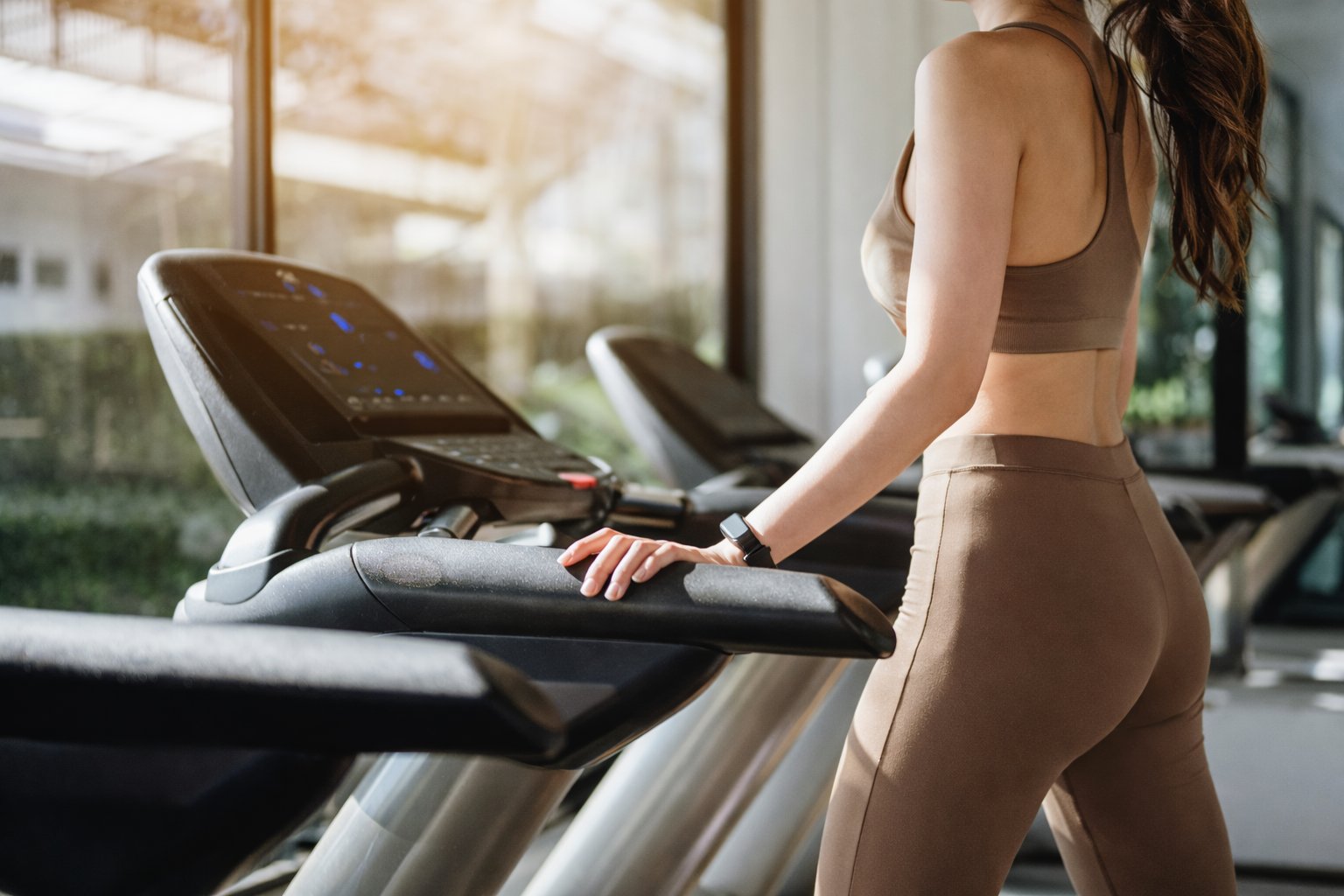
Pilates is not primarily a high-calorie burner compared to running or HIIT. Pairing it with cardio helps reveal the muscle you are building.
Try a schedule of three days of Pilates plus two days of brisk walking or swimming. This combination supports fat loss while improving muscle tone.
Engage In Private Instruction
Occasional 1-on-1 sessions are valuable for fixing 'cheating' movements. An instructor correcting a pelvic tilt can instantly double the intensity of an exercise.
Why You May Not Be Seeing Results Yet
Plateaus are common in any fitness journey, and Pilates is no exception. Identifying common pitfalls can help you course-correct and get back on the path to transformation.
Lack Of Adequate Intensity
If the workout doesn't feel challenging, the muscles aren't being stimulated enough to change. Nord Pilates helps prevent this stagnation by offering exclusive expert content designed to progressively challenge your core.
Focus on the eccentric (lengthening) phase of every movement. Counting three seconds down for every rep can drastically increase intensity.
Inconsistent Practice Schedule
Sporadic attendance prevents cumulative adaptation. Skipping two weeks often resets neural progress, keeping you in the 'beginner' phase indefinitely.
Consistency matters more than duration. Short, daily sessions are often more effective than one long session per week.
Overtraining And Recovery
Doing Pilates daily without rest can lead to fatigue and stalled progress. Muscles require recovery time to repair and grow stronger.
If you experience sharp, shooting pain rather than typical muscle soreness, stop immediately. Consult a professional to rule out injury.
Final Thoughts
seeing results from Pilates requires patience, consistency, and attention to form. While you may feel differences in your posture and strength within a month, the visual transformation typically arrives around the 30-session mark.
By maintaining a regular schedule and using effective tools to guide your practice, you can build a stronger, more resilient body. Stick to the process, and the results will follow.
FAQ
How many times a week should I do Pilates to see results?
Most experts recommend three to four sessions per week for optimal results. This frequency provides enough stimulus for muscle change while allowing for recovery.
Can Pilates change your body shape in 2 weeks?
In two weeks, you will likely feel stronger and stand taller due to better posture, but visible shape changes usually take longer. Significant structural changes typically require 10 to 12 weeks.
Is 20 minutes of Pilates a day enough?
Yes, 20 minutes of focused, high-quality Pilates can be effective, especially for maintenance and core strength. Consistency with short daily sessions often beats infrequent long workouts.
Will I lose weight doing Pilates?
Pilates can support weight loss by building muscle mass, which increases metabolic rate, but it is not a high-calorie burner on its own. For significant weight loss, it should be combined with a caloric deficit and cardiovascular exercise.
Share this post