Lagree Vs. Pilates: Understanding The Key Differences And Benefits
By:Author:Nord Pilates Editorial
Updated on:October 20, 2026
Choosing between Lagree and Pilates often confuses fitness enthusiasts due to the visual similarities of the equipment. Both methods utilize sliding carriages and spring-based resistance, yet they deliver profoundly different physical experiences.
Understanding the distinct mechanics of each workout helps you align your training with your specific health goals. This guide explores the fundamental variances in philosophy, intensity, and results to help you decide which practice suits your body best.
Key Differences At A Glance
Before diving into the mechanics, it is helpful to visualize the fundamental distinctions between these two popular resistance methods. The table below outlines the primary variances in equipment, pacing, and intended physiological response.
| Feature | Pilates | Lagree |
|---|---|---|
Primary Goal | Alignment & Rehab | Muscle Failure |
Equipment | Reformer | Megaformer |
Pace | Rhythmic Flow | Slow Tension |
Intensity | Low to Moderate | High Intensity |
Transitions | Structured Setup | Rapid Zero-Gap |
To understand why these differences exist, it helps to look at the origins of each method.
Origins And Philosophy
The divergence in workout style stems directly from the original intent of each creator. While Pilates was born from rehabilitation principles, Lagree was engineered to merge bodybuilding concepts with low-impact machinery.
The Pilates Foundation: Contrology
Joseph Pilates developed his method, originally called Contrology, in the early 20th century to rehabilitate detainees of war and dancers. The practice focuses heavily on spinal alignment, breath connection, and restoring natural movement patterns.
Classical Pilates adheres strictly to a specific sequence of exercises designed to build a protective belt of muscle around the torso. It prioritizes precision over exhaustion, ensuring that every movement supports joint health.
The Lagree Evolution: Bodybuilding On The Carriage
Sebastien Lagree developed his method in the late 1990s and early 2000s to fill a gap in the fitness market. He aimed to combine the low-impact benefits of the Reformer with the high-intensity principles of bodybuilding.
This method focuses specifically on muscular endurance and metabolic burn by keeping muscles under tension for extended periods. It is designed to fatigue muscle fibers completely, triggering a stronger adaptive response than traditional rehab-based movements.
Equipment Breakdown: Reformer Vs. Megaformer
Although both machines utilize a carriage and spring system, the engineering of the Megaformer is designed to facilitate faster transitions and higher tension than the traditional Pilates Reformer. Understanding the mechanical differences helps explain the distinct feel of the workouts.
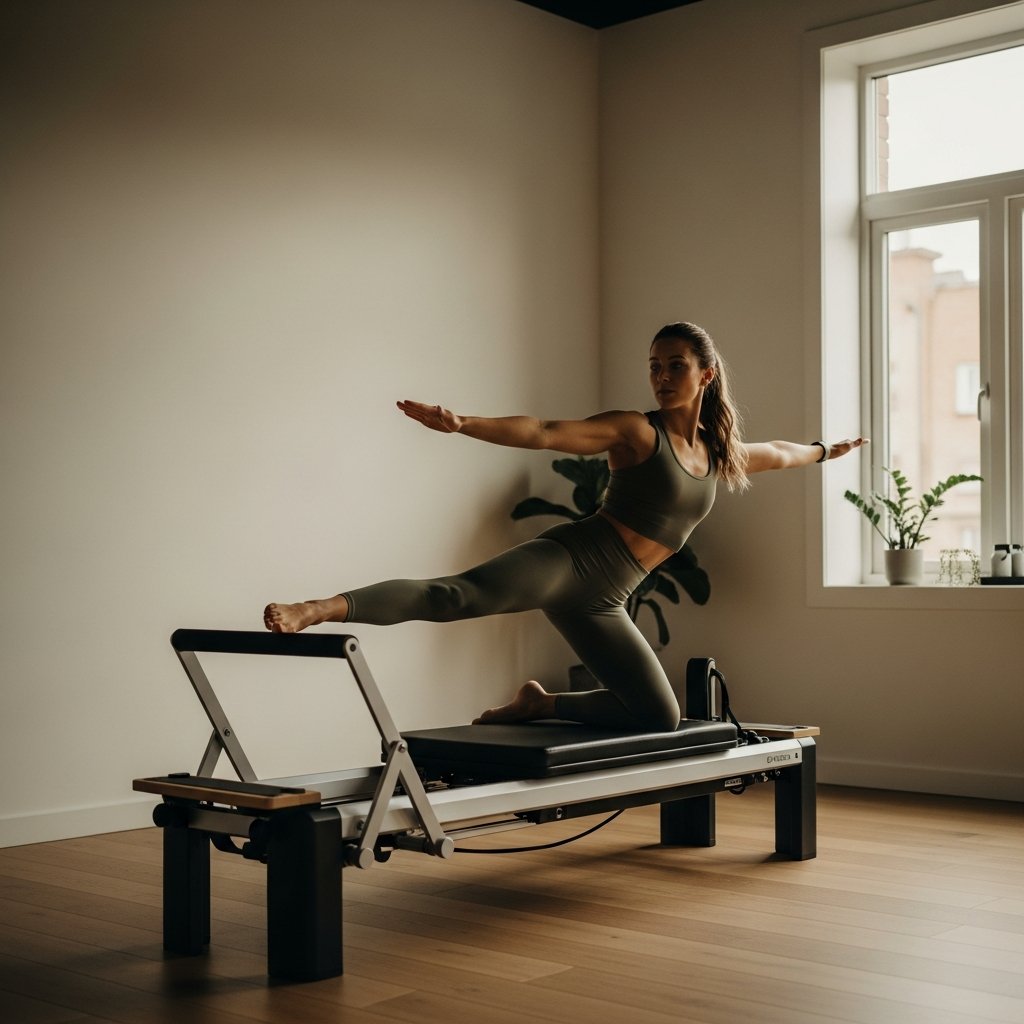
The Classic Pilates Reformer
The traditional Reformer is designed to provide both assistance and resistance depending on the spring setting. It features a footbar, straps, and a carriage that moves with a rhythmic flow to support the spine.
Spring settings in Pilates are often lighter to challenge stability or heavier to provide support during rehabilitation exercises. This versatility makes it an excellent tool for correcting imbalances without overloading the joints.
The Lagree Megaformer
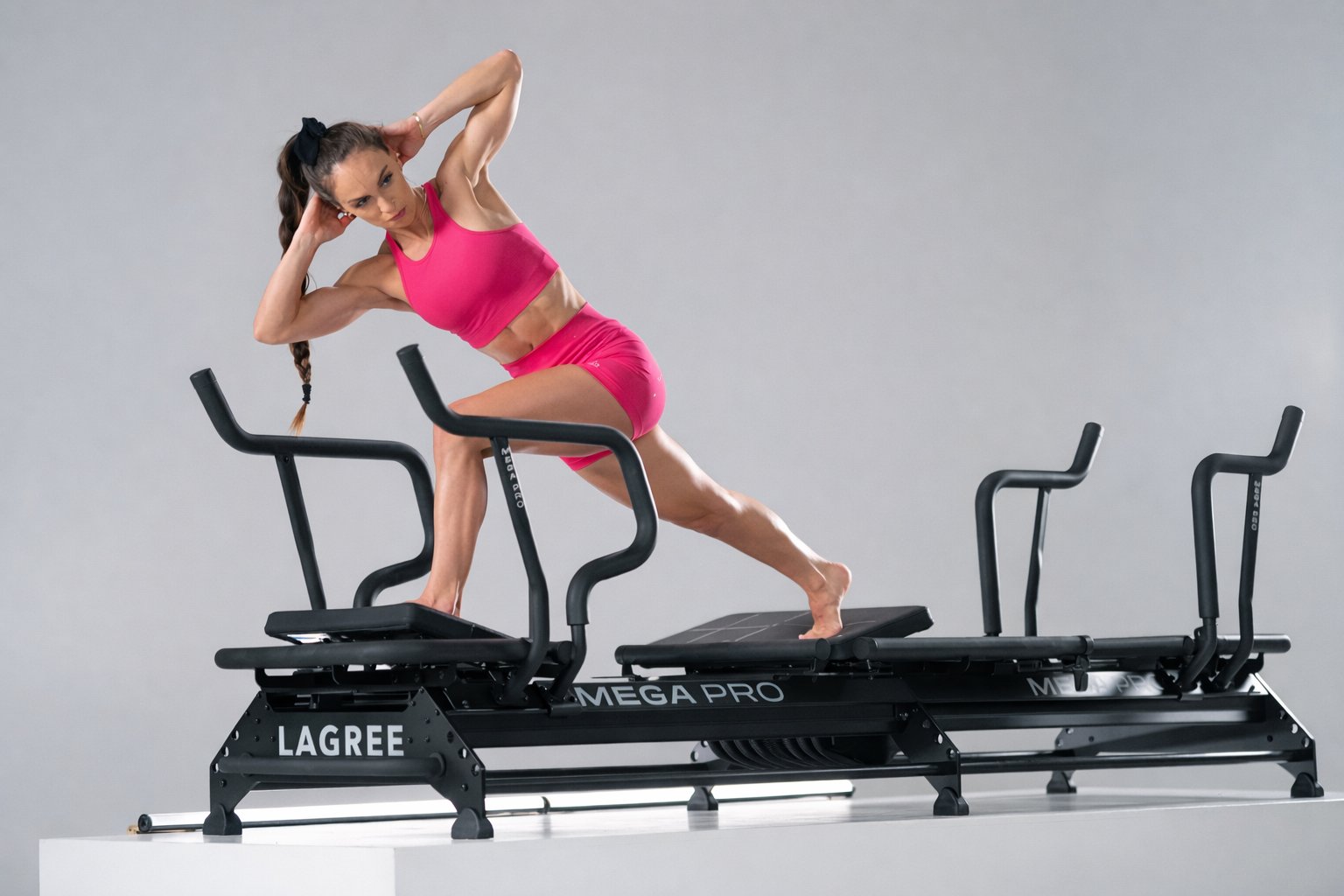
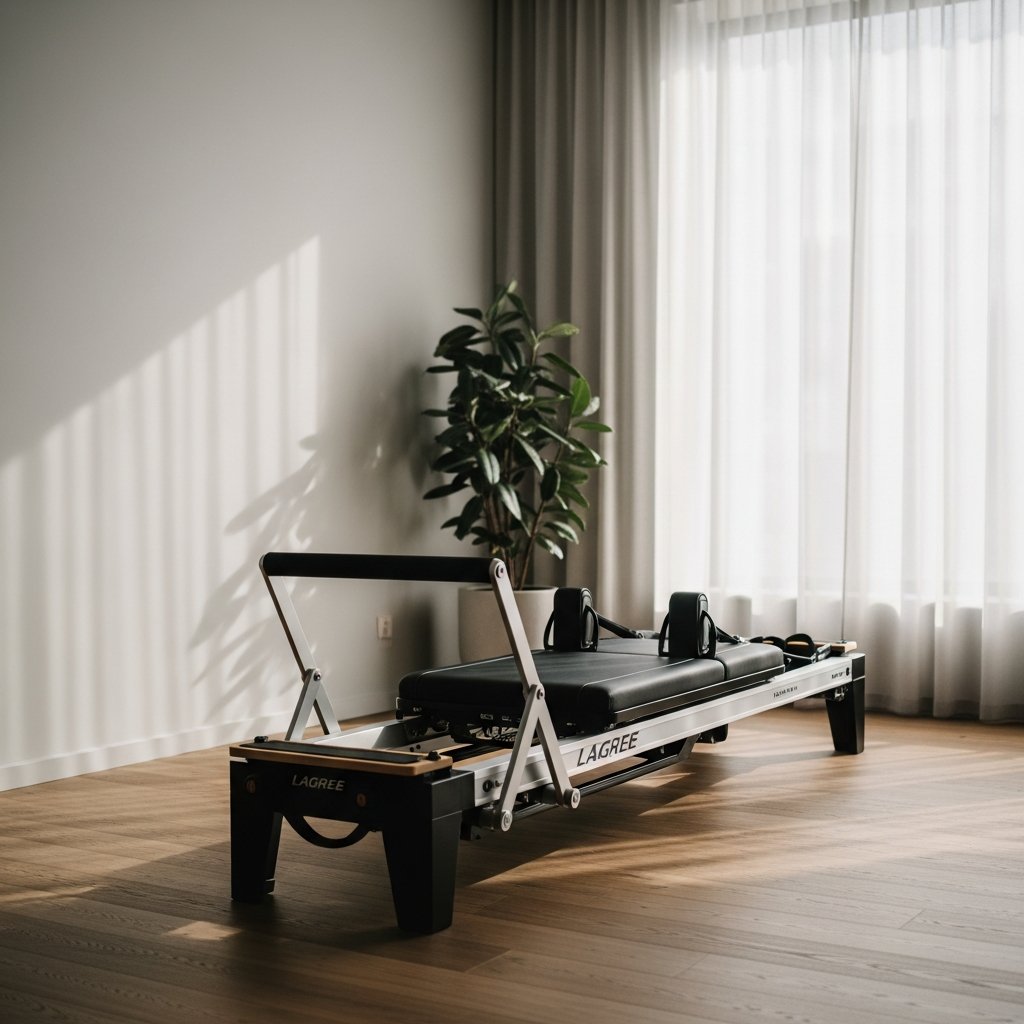
The Megaformer, along with newer iterations like the Evo, is significantly larger and features platforms on both the front and back. These platforms allow for quick transitions and heavy standing exercises that are central to the Lagree method.
The design includes multiple handles and specific alignment markers to accommodate a wide variety of body shapes and grip positions. This engineering supports the constant tension required to keep the heart rate elevated throughout the session.
Modern Home Adaptations
While large machines define the studio experience, many practitioners now use digital tools to replicate these movements at home. Nord Pilates offers personalized low-impact workouts that adapt studio principles for home environments.
The app provides effective guided workouts that focus on the same core engagement and alignment found on professional equipment. This allows users to maintain consistency in their practice even without access to a Megaformer or Reformer.
Stability For Standing Exercises
The Megaformer is generally wider and more stable, specifically engineered to support heavy standing lunges and squats. Standing work on a traditional Reformer requires more delicate balance and caution due to the narrower carriage.
Workout Intensity And Pace
The most palpable difference for practitioners lies in the tempo and intensity of the session. Lagree is famous for its 'shake,' while Pilates is renowned for its flow.
Time Under Tension (TUT)
Lagree relies on the principle of effective time under tension to stimulate change. Movements are performed extremely slowly, often to a 4-count or slower, to remove momentum completely.
This slow pace forces slow-twitch muscle fibers to do all the work until they reach failure. There is no resting at the top or bottom of a movement, ensuring constant engagement.
The 'Lagree Shake'
In a Lagree class, involuntary muscle shaking is the primary goal rather than a sign of weakness. This sensation signals that the muscles are fully fatigued and that the nervous system is recruiting every available fiber.
Reaching this point of failure stimulates rapid strength and endurance gains. It differentiates the method from workouts that stop comfortably before exhaustion.
Pilates Flow And Rhythm
Contrast this with Pilates, where the focus is often on fluid, rhythmic movement synchronized with breath. While Pilates builds significant strength, it rarely aims for total muscle exhaustion in a single set.
Digital companions like Nord Pilates help practitioners maintain this critical rhythm at home through audio cues. The app ensures you move at the correct pace to maximize the restorative benefits of the practice.
Rest Intervals And Transitions
Lagree minimizes transition times to zero to keep the heart rate in a cardiovascular training zone. Instructors cue the next move before the current one ends to prevent the heart rate from dropping.
Pilates classes typically allow for brief resets and setup adjustments between exercises. This focus on setup ensures precision and correct form is maintained for every single repetition.
Benefits And Results
Both methods offer profound physical changes, but they target different aspects of fitness. Choosing between them depends on whether you prioritize metabolic output or functional mobility.
Strength And Muscular Endurance
Lagree is generally superior for rapid changes in muscle definition and endurance due to the high intensity. It provides a cardiovascular component that traditional Pilates often lacks, making it a two-in-one workout.
Digital Tools For Consistency
For those seeking measurable results without a studio membership, Nord Pilates bridges the gap with comprehensive planning tools. The app creates a personalized pilates plan that evolves as your strength and endurance improve over time.
Beyond just workouts, it includes daily habit trackers and meal suggestions to support your physical transformation. The exclusive expert content helps users understand the 'why' behind each movement, fostering deeper engagement.
This structured approach eliminates the guesswork of home training. Here is a simple way to start using the app for better results:
Getting started routine
- Select your level - Choose beginner or intermediate in the app.
- Schedule sessions - Use the calendar to lock in 3 days a week.
- Follow audio guides - Listen to real-time form corrections.
- Track progress - Log completion to visualize your consistency.
Flexibility And Posture
Pilates remains the leader for increasing flexibility, lengthening muscles, and correcting posture. Research supports Pilates as an effective intervention for chronic back pain and spinal alignment issues.
The focus on eccentric lengthening in Pilates helps decompress the spine. This makes it ideal for anyone sitting at a desk for long periods.
Core Stability
Both methods are deeply core-centric, but they engage the abdominals differently. Pilates targets the transverse abdominis for spinal support and injury prevention.
Lagree hits the core to support heavy loads and endurance tasks. It trains the core to maintain stability under extreme fatigue.
Which Method Is Right For You?
Neither method is objectively 'better,' but one will likely suit your current lifestyle and body needs more effectively. Consider these factors when booking your next class.
Best For: Injury Rehab And Beginners
Pilates is recommended for those recovering from injuries, dealing with specific orthopedic issues, or who are new to apparatus-based workouts. The strict focus on form makes it safer for compromised joints.
If you are hesitant about studio classes, starting with Nord Pilates can build confidence in a controlled environment. The app's fitness challenges allow you to build foundational strength gradually before attempting higher intensity loads.
Best For: High-Intensity Results
Lagree is ideal for fitness enthusiasts who want a 'sweat session' and are looking to build muscle definition quickly. It suits those who enjoy the feeling of a hard workout without the high impact of jumping or running.
The Final Take
Choosing between Lagree and Pilates ultimately comes down to your personal fitness goals and current physical condition. If you seek metabolic burn and muscle failure, Lagree offers a high-intensity solution; if you prioritize alignment and restorative strength, Pilates is the superior choice.
Regardless of the method you choose, consistency is the key to seeing results. Tools like Nord Pilates support this journey by providing accessible, expert-led workouts that fit into any schedule.
FAQ
Is Lagree harder than Pilates?
Generally, Lagree is considered more physically intense due to the constant tension and muscle failure component. Pilates can be challenging mentally and physically but focuses more on precision than exhaustion.
Can beginners do Lagree?
Yes, but it has a steeper learning curve regarding the equipment and intensity. Beginners should inform the instructor to receive modifications and ensure safety.
Do you wear shoes for Lagree or Pilates?
No, both are typically performed barefoot or with grip socks. Grip socks are highly recommended for safety to prevent slipping on the carriage.
Can you combine Lagree and Pilates?
Absolutely, they complement each other well. Pilates provides the mobility and alignment work that balances the high-intensity strength training of Lagree.
Share this post